


Powering Progress: The Rise of Pacific Energy Solutions for a Sustainable Future
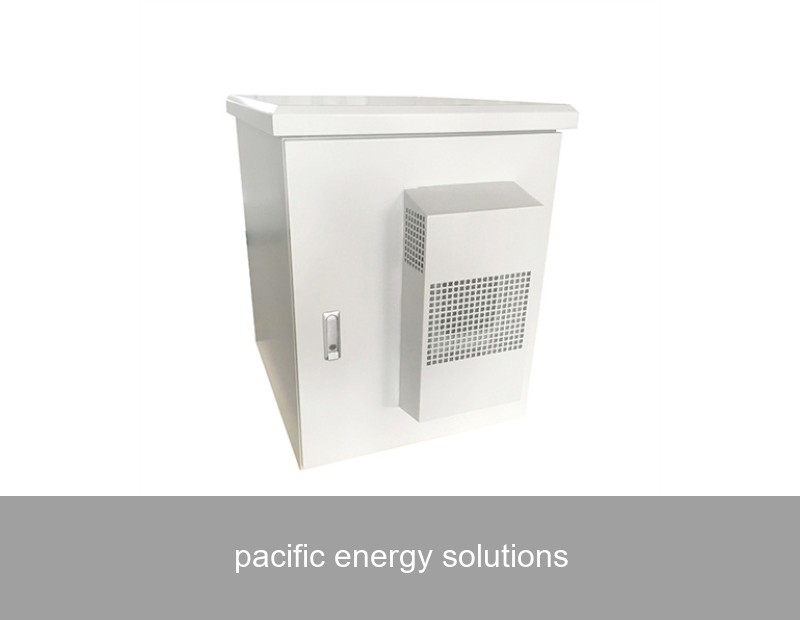
Across the Pacific, from the sun-drenched coasts of California to the island nations of Oceania, a powerful transformation is underway. Communities and businesses are increasingly turning to innovative Pacific energy solutions to address the dual challenges of energy security and climate change. This isn't just about installing solar panels; it's about creating intelligent, resilient, and self-sufficient power systems. At the heart of this movement lies advanced energy storage, the critical technology that turns intermittent renewable power into a reliable 24/7 resource. As a global leader in this field, Highjoule has been at the forefront, designing smart battery storage systems that make these ambitious Pacific energy solutions not just possible, but practical and profitable.
Table of Contents
The Pacific Energy Challenge: More Than Just Sunshine
The Pacific region presents a unique energy paradox. It is blessed with abundant renewable resources—fierce solar irradiance, strong winds, and potent geothermal activity in many areas. Yet, its geographical reality often means reliance on expensive, imported fossil fuels, especially for island grids. This creates volatile energy costs and leaves communities vulnerable to supply disruptions. The traditional grid model, designed for centralized power plants, struggles with the variable nature of renewables. You've likely seen it: solar farms producing excess power at noon that goes unused, only for everyone to switch on their air conditioners at dusk, forcing the grid to fire up carbon-intensive "peaker" plants. This is the fundamental problem modern Pacific energy solutions aim to solve.

Image: Renewable resources are abundant, but harnessing them reliably requires smart storage. Source: Unsplash
Data Drives Change: The Economics of Storage
So, what makes the shift to battery-backed renewable systems so compelling now? The answer is in the data. The cost of lithium-ion battery packs has plummeted by nearly 90% since 2010, making large-scale storage a viable economic proposition. Let's break down the financial drivers for a commercial business in California or a utility in Hawaii:
- Demand Charge Reduction: Commercial electricity bills are heavily influenced by "demand charges"—fees based on the highest 15-minute power draw in a month. A battery system can discharge during these peak periods, slicing this cost component significantly.
- Energy Arbitrage: Store cheap solar energy during the day and use it during expensive evening peak hours.
- Grid Services: Advanced systems can provide frequency regulation and voltage support to the grid, creating a new revenue stream.
- Investment Tax Credit (ITC): In the U.S., standalone energy storage now qualifies for a 30-40% federal tax credit, dramatically improving project ROI.
This isn't theoretical. The numbers are actively reshaping energy portfolios across the Pacific.
Case Study: Hawaii's Ambitious Leap with the Ka Makana System
Perhaps no place embodies the drive for Pacific energy solutions more than Hawaii. With a state mandate to reach 100% renewable electricity by 2045 and some of the highest electricity prices in the nation, the pressure to innovate is intense. A landmark project showcasing this is the Ka Makana Power Plant.
This facility combines a 15.5 MW solar array with a 60 MWh battery energy storage system (BESS). Here's what the system achieves in real terms:
| Metric | Impact |
|---|---|
| Solar Energy Utilization | The BESS captures excess midday solar generation, increasing the usable renewable output and reducing curtailment. |
| Grid Stability | It provides fast-responding frequency regulation, essential for a grid with high solar penetration on isolated island networks. |
| Fossil Fuel Displacement | The system is designed to power approximately 7,000 homes during evening peaks, directly offsetting oil-fired generation. |
Projects like Ka Makana, supported by technology from leading providers, prove that large-scale, storage-heavy Pacific energy solutions are technically feasible and economically beneficial. You can read more about Hawaii's clean energy transformation in this report from the Hawaiian Electric.
Highjoule's Role: Intelligent Systems for Complex Needs
Building a system like Ka Makana requires more than just connecting batteries. It demands deep system integration expertise, superior battery management software, and a focus on long-term safety and performance. This is where Highjoule's nearly two decades of experience comes into play. For commercial and industrial clients across the U.S. and Europe seeking their own Pacific energy solutions, Highjoule delivers tailored battery storage systems that are:
- Grid-Interactive: Our Highjoule H-Series commercial storage units are built with advanced grid-forming inverters. This means they can help stabilize the local grid, a feature becoming essential as grids decarbonize.
- Intelligently Managed: The brain of our system, the Highjoule Apex Controller, uses AI-driven software to optimize every charge-discharge cycle. It doesn't just store energy; it makes financial decisions in real-time, maximizing ROI by participating in energy markets or minimizing demand charges.
- Safety-First Designed: From cell-level thermal monitoring to proprietary enclosure design that prevents thermal runaway propagation, safety is engineered into every Highjoule product, giving facility managers and utilities critical peace of mind.
Think of it this way: we provide the intelligent, resilient "energy bank" that allows a business to securely deposit its solar savings and withdraw reliable power exactly when needed.

Image: Advanced control systems are key to managing complex energy storage. Source: Unsplash
Beyond Batteries: Integrated Microgrid Solutions
The ultimate expression of a self-sufficient Pacific energy solution is the microgrid. Whether for a remote university campus, a critical healthcare facility, or an entire community, microgrids operate as independent energy islands that can disconnect from the main grid during outages. Highjoule's expertise extends to these integrated systems. We design solutions that seamlessly orchestrate solar PV, wind, generator sets, and our core battery storage into a single, resilient power ecosystem. Our systems are designed to ensure that, even during extreme weather events becoming more common in the Pacific region, the lights stay on and critical operations continue.
The Future of Pacific Energy Solutions: What's Next?
The journey is just beginning. The next frontier for Pacific energy solutions involves longer-duration storage technologies, green hydrogen production powered by excess renewables, and even more sophisticated virtual power plants (VPPs) that aggregate thousands of distributed home and business systems. Highjoule is actively involved in these innovations, developing next-generation storage chemistries and platform capabilities to support the evolving grid. The goal is a fully decentralized, democratic, and decarbonized energy landscape.
The transition to renewable energy in the Pacific is not a simple switch. It's a complex re-engineering of our energy infrastructure. With the right blend of policy, economics, and cutting-edge technology from partners like Highjoule, these solutions offer a blueprint not just for the Pacific, but for the world. As you consider your organization's energy resilience and sustainability goals, what is the first step you need to take to understand your potential in this new energy paradigm?
 Inquiry
 Online Chat