


Finding the Best Home Generator for Power Outages: A Modern Homeowner's Guide
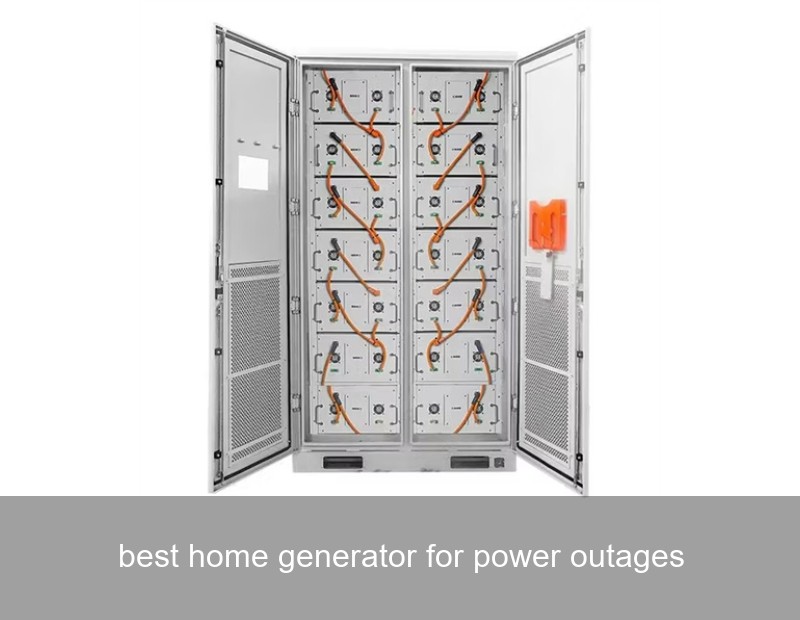
Have you ever found yourself suddenly in the dark during a storm, scrambling for flashlights while the fridge hums to a stop and the Wi-Fi disappears? Power outages are more than an inconvenience; they disrupt our lives, risk property damage, and can even be dangerous. For years, the automatic response to this problem was to look for a traditional fossil-fueled standby generator. But what if the best home generator for power outages isn't a generator at all? The landscape of home backup power is undergoing a quiet revolution, shifting towards intelligent, clean, and silent energy storage systems. This article will guide you through why this shift is happening and what you should consider to keep your lights on, sustainably and reliably.
Table of Contents
- The New Reality: More Frequent and Costly Outages
- Traditional Generators vs. Modern Battery Storage: A Clear Comparison
- What to Look for in the Best Home Backup Power Solution
- A Real-World Case: The Johnson Family in California
- Beyond Backup: The Smart Home Energy System
- Making the Right Choice for Your Home
The New Reality: More Frequent and Costly Outages
The phenomenon is undeniable. Data from the U.S. Energy Information Administration (EIA) shows that the average U.S. electricity customer experienced just over eight hours of power interruptions in 2022, with major events like severe weather contributing significantly[1]. In Europe, grid stability concerns and the energy transition present similar challenges. The cost? Spoiled food, potential pipe freezes, lost work, and immense frustration. This isn't just about comfort; it's about resilience. As extreme weather events become more common, the question shifts from *if* you need backup power to *what kind* is most suitable for a modern, connected, and environmentally conscious household.
Traditional Generators vs. Modern Battery Storage: A Clear Comparison
Let's break down the two main contenders. Traditional propane or diesel generators have been the go-to for decades. They're powerful and can run for extended periods if fuel is available. However, they come with significant trade-offs.
| Feature | Traditional Fuel Generator | Modern Battery Storage System (e.g., Highjoule HomePower) |
|---|---|---|
| Startup & Operation | Noisy (can exceed 70 dB), emits fumes, requires outdoor installation and ventilation. | Completely silent, zero emissions, safe for indoor installation (like a garage or basement). |
| Maintenance & Fuel | Requires regular engine maintenance (oil changes, spark plugs) and a secure, ongoing fuel supply. | Virtually maintenance-free. "Fuel" comes from your solar panels or the grid. |
| Grid Interaction | Operates independently. Cannot reduce energy bills. | Can integrate with solar and intelligently manage grid power to reduce peak demand charges and overall electricity costs. |
| Response Time | Typically has a 30-second to 2-minute startup delay for standby models. | Seamless transition in milliseconds—lights won't even flicker. |
The contrast is stark. While generators *create* power by burning fuel, a system like the Highjoule HomePower battery storage solution *stores* energy intelligently. It acts as a personal power reserve for your home, ready to activate in the blink of an eye during an outage. This brings us to the core of what defines the best home generator for power outages today: reliability, intelligence, and integration.

Image: A sleek, modern home battery storage system, like Highjoule's HomePower, integrates discreetly into a home. Source: Unsplash (Representative image)
What to Look for in the Best Home Backup Power Solution
Choosing the right system isn't just about picking the biggest battery. It's about a holistic solution. Here are the key pillars:
- Capacity & Power Rating: Capacity (measured in kWh) is your "energy tank"—how long can it run your essentials? Power rating (in kW) is how much it can output at once—can it handle your air conditioner starting up? A quality system like Highjoule's offers scalable capacity to match your home's needs.
- Solar Integration: This is a game-changer. A battery paired with solar panels transforms your backup system into a true energy independence hub. You can store excess solar energy produced during the day and use it at night or during outages, maximizing your investment.
- Intelligent Energy Management: The brain of the system matters most. Highjoule's systems feature advanced AI-driven software that learns your usage patterns, can prioritize critical loads, and even participate in grid services (where available) to provide additional value.
- Safety & Warranty: Look for UL-certified systems with robust thermal management and a long, comprehensive warranty. Highjoule utilizes lithium iron phosphate (LFP) battery chemistry, renowned for its exceptional safety, longevity, and stability.
A Real-World Case: The Johnson Family in California
Let's move from theory to practice. The Johnson family in Sacramento, California, faced frequent Public Safety Power Shutoffs (PSPS) due to wildfire risk. In 2022, they installed a 10 kW solar array coupled with a 25 kWh Highjoule HomePower battery system.
The Data: During a 36-hour outage in October 2023, the system powered their entire home's essential loads—refrigeration, lighting, internet, and a critical medical device—without interruption. Their home remained powered while neighbors with traditional generators dealt with noise, fuel runs, and one mechanical failure. Over the course of a year, the system also reduced their grid electricity consumption by 82%, thanks to solar self-consumption and intelligent load shifting during peak rate periods.
"We didn't just buy a backup generator; we bought peace of mind and control over our energy bill," Mrs. Johnson noted. "The system works so silently and automatically that we sometimes only know there was an outage from our neighbor's comments." This case highlights how the modern definition of the best home generator for power outages encompasses energy independence, not just emergency reaction.
Beyond Backup: The Smart Home Energy System
This is where companies like Highjoule, with nearly two decades of expertise in grid-scale and commercial energy storage, truly differentiate the residential offering. The Highjoule HomePower is not an isolated product; it's the heart of a Smart Home Energy System.
Our systems are designed for the future. Through the Highjoule Energy Hub app, homeowners can:
- Monitor energy production, consumption, and storage in real-time.
- Set preferences for backup priorities (e.g., "always keep the home office powered").
- Optimize for time-of-use rates, automatically drawing from the battery when grid electricity is most expensive.
- Receive proactive system health updates and remote diagnostics.
This transforms a reactive backup device into a proactive energy asset. It provides resilience against outages *and* against high electricity costs, a dual benefit that traditional generators simply cannot offer.

Image: Advanced energy management software, similar to what powers Highjoule's residential systems, provides ultimate control. Source: Unsplash (Representative image)
Making the Right Choice for Your Home
So, how do you decide? Start by asking the right questions: What are the critical appliances I need to keep running (e.g., sump pump, furnace, medical equipment)? How long are typical outages in my area? Do I have or plan to install solar panels? What is my long-term goal—basic backup or full energy management?
Consulting with a certified installer is crucial. They can perform a detailed load assessment and design a system tailored to your home's architecture and your family's lifestyle. Highjoule works with a global network of certified partners who can provide this expert guidance and seamless installation.
Ready to Redefine Your Home's Resilience?
The search for the best home generator for power outages has evolved. It's no longer just about the loud, gas-guzzling machine in the yard. It's about a clean, quiet, and intelligent system that protects your home, empowers your energy independence, and aligns with a sustainable future. What will your first step be towards taking control of your home's power?
 Inquiry
 Online Chat