


Panel Solar para Casa de Campo: Your Complete Guide to Energy Independence
you're at your beloved country home, surrounded by nature. The air is clean, the view is stunning, but then you notice the monthly utility bill or hear the hum of a diesel generator. For homeowners in rural Europe and the US, achieving true peace and self-sufficiency often clashes with the realities of energy access, cost, and reliability. This is where a panel solar para casa de campo (solar panel system for a country home) transitions from a "nice-to-have" to an essential upgrade. It's not just about installing panels; it's about crafting a resilient, intelligent power ecosystem for your sanctuary.
The phenomenon is clear: rural and off-grid properties face unique energy challenges. According to the U.S. Energy Information Administration, electricity transmission and distribution losses can be higher in remote areas, and connection fees for extending grid lines can be prohibitively expensive, sometimes reaching tens of thousands of dollars. In Europe, rural properties, like Spanish fincas or French *maisons de campagne*, may be connected but suffer from less stable grids. The data points to a simple truth: generating and storing your own power on-site is becoming the most logical and economical solution.

Image Source: Unsplash - A country home with a modern solar panel installation.
Key Components of a Reliable Country Home Solar System
Think of your country home's solar system as a self-sufficient team. Each member has a critical role:
- Solar Panels (The Generators): High-efficiency panels, preferably with robust frames and good low-light performance, are your primary energy harvesters.
- Solar Battery Storage (The Heart of Independence): This is non-negotiable for a *casa de campo*. Batteries store excess daytime energy for use at night, during storms, or on cloudy days. This is what truly cuts the cord from the unreliable grid or noisy generators.
- Inverter (The Brain): This device converts the direct current (DC) from your panels and batteries into the alternating current (AC) that powers your home appliances.
- Energy Management System (The Conductor): An intelligent system that optimizes energy flow—deciding when to charge the batteries, power the home, or even sell back to the grid if connected.
This is where specialized providers like Highjoule make a monumental difference. Unlike generic setups, Highjoule's solutions for residential and off-grid applications integrate these components into a seamless, smart system. Our Highjoule Home Energy Hub combines a high-efficiency inverter with advanced battery management and an intuitive monitoring app. You're not just buying hardware; you're investing in a smart, resilient energy ecosystem designed for the specific load profiles and challenges of country living.
Why Battery Choice Matters Most
For remote homes, the battery is the cornerstone. Lithium-ion phosphate (LiFePO4) batteries, like those used in Highjoule's storage systems, are ideal for their long lifespan (often over 6000 cycles), safety, and stable performance across a wide temperature range—crucial for unheated utility rooms or barns. They require minimal maintenance compared to old lead-acid batteries, giving you one less thing to worry about.
Real-World Case Study: Powering a Remote Spanish Finca in Andalusia
Let's move from theory to practice. Consider the case of the Rodriguez family's 150-year-old finca in the Andalusian hills, 5 km from the nearest grid connection. Their challenges were classic: a quote of €40,000 to connect to the grid, reliance on a diesel generator costing over €300/month in fuel, and noise pollution ruining the serene environment.
Their solution was a tailored panel solar para casa de campo system installed in 2022:
- System Size: 12 kW solar array (30 panels)
- Storage: Highjoule H2-ESS 20 kWh lithium-ion battery system
- Key Components: Highjoule Hybrid Inverter with grid-forming capability.
The results after one year, monitored via the Highjoule app, were transformative:
| Metric | Before Solar | After Solar + Highjoule Storage |
|---|---|---|
| Monthly Energy Cost | ~€320 (Diesel) | €12 (Grid as occasional backup) |
| System Autonomy | 0% (Generator Dependent) | 94% (Year-Round Average) |
| Carbon Emissions | ~4.8 tons CO2/year | ~0.3 tons CO2/year |
"The system doesn't just power our lights and fridge," Maria Rodriguez shared. "It runs our water pump, the tools in my workshop, and even our kitchen appliances simultaneously. The peace of mind during a winter storm, knowing the batteries have days of reserve, is priceless." This case underscores that the right system isn't just an expense; it's a long-term investment with immediate quality-of-life returns.

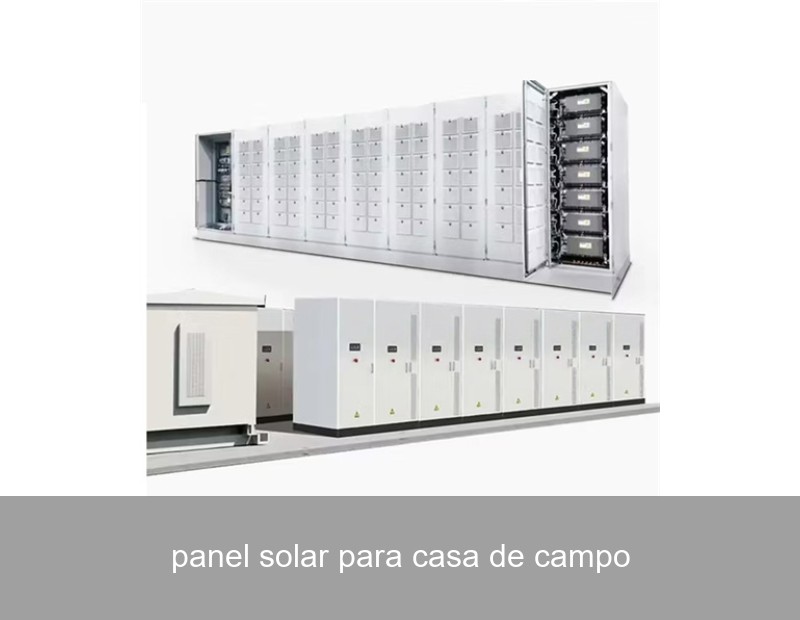
Image Source: Unsplash - A modern home battery storage unit, similar to systems used in country homes.
Beyond Basic Panels: The Intelligent System Approach by Highjoule
At Highjoule, we believe a panel solar para casa de campo should be intelligent. Our systems are designed with the future in mind. The Highjoule Home Energy Hub includes:
- AI-Powered Energy Forecasting: The system analyzes weather data and your usage patterns to optimize battery charging cycles, ensuring you're always prepared for a string of cloudy days.
- Seamless Generator Integration: For ultimate backup, the system can automatically start a compatible backup generator only when strictly needed, slashing fuel use and runtime by up to 90%.
- Remote Monitoring & Control: Manage your home's energy from your smartphone, anywhere in the world. Receive alerts, adjust settings, and see real-time production and consumption.
This level of integration is what separates a modern energy solution from a simple array of panels. It ensures your investment is protected, efficient, and adaptable for decades. As noted by the National Renewable Energy Laboratory (NREL), "advanced inverters and energy management systems are key to achieving high levels of renewable energy on the grid and in off-grid settings." Highjoule builds this intelligence into every system.
Making the Decision: Is a Solar System Right for Your Country Home?
So, how do you start? Ask yourself these key questions:
- What are my primary energy goals? (Total independence, backup power, reducing diesel costs?)
- What is my critical load? (List appliances that must always run: water pump, refrigeration, internet, etc.)
- What is my site like? (Roof orientation, shading, space for ground-mounted panels?)
Partnering with an expert like Highjoule means you get a tailored design from the start. Our network of certified installers across Europe and the U.S. conducts detailed site assessments, not just to sell you panels, but to engineer a system that matches your lifestyle, property, and ambitions for energy resilience.
What would you do with the freedom of an endless, self-generated power supply at your country retreat? Would you finally install that electric vehicle charger in your barn, heat your pool sustainably, or simply enjoy the profound silence, knowing your power is clean, reliable, and truly your own?
 Inquiry
 Online Chat