


Can Paneles Solares de Noche Power Your Home? The Truth About Solar After Dark
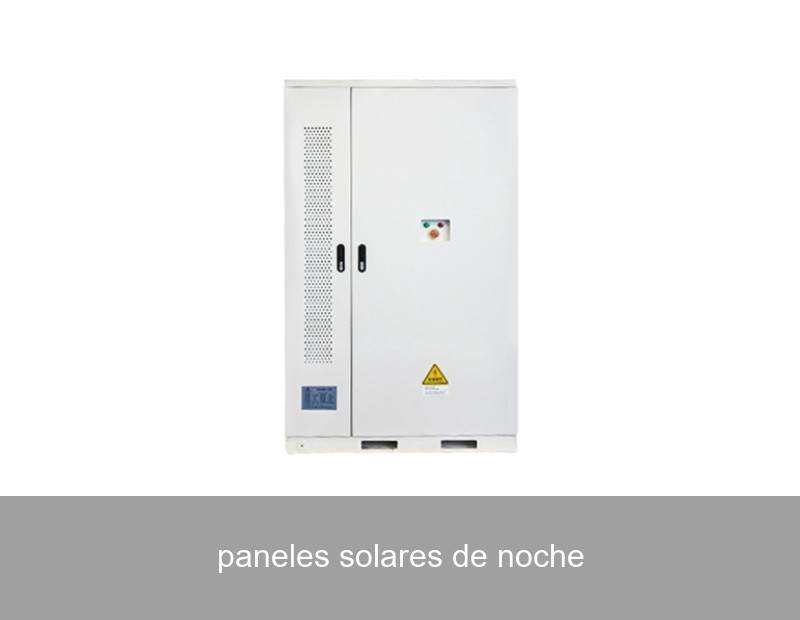
You've likely asked this question if you're considering solar panels: what happens when the sun goes down? The phrase "paneles solares de noche" (solar panels at night) might sound like a contradiction. After all, photovoltaic cells need sunlight to generate electricity. Yet, the dream of 24/7 solar power is not only real but is revolutionizing how homes and businesses consume energy. This isn't about panels magically working in darkness; it's about intelligent systems that capture daytime abundance to illuminate your nights. Let's explore how modern technology turns this challenge into a seamless, sustainable reality.
Table of Contents
- The Night Challenge: Why Solar Doesn't Stop at Sunset
- The Storage Solution: Your Personal Energy Reservoir
- Real-World Case Study: A Spanish Hotel's 24/7 Solar Journey
- Beyond the Battery: The Intelligent Energy Ecosystem
- Highjoule's Role in Your 24/7 Solar Strategy
- Making the Switch: Is Nighttime Solar Right for You?
The Night Challenge: Why Solar Doesn't Stop at Sunset
It's the fundamental puzzle of solar energy. Peak sunshine hours often don't align with peak energy consumption. In many households, energy demand surges in the evening—lights, cooking, heating, and entertainment systems all power up just as solar production plummets to zero. This mismatch forces a reliance on the traditional grid, undermining both energy independence and potential savings.
The solution lies in shifting our perspective. Instead of viewing "paneles solares de noche" as an impossibility, we view the entire 24-hour cycle as a single system to manage. The goal is not generation at night, but delivery at night from energy generated during the day. This paradigm shift is powered by one critical component: the battery energy storage system (BESS).
The Storage Solution: Your Personal Energy Reservoir
Think of a solar battery system as a sophisticated energy bank. During the day, your panels may produce more electricity than you can immediately use. Instead of sending all excess back to the grid (often at a lower rate), a home battery stores it for later.
- Self-Consumption Maximization: Use more of the clean energy you produce, sometimes increasing self-consumption rates from 30% to 80% or more.
- Backup Power: Maintain essential power during grid outages, a feature increasingly valued in areas prone to extreme weather.
- Grid Services: Advanced systems can interact intelligently with the grid, providing stability and potentially earning revenue.
Modern lithium-ion batteries, like those using Lithium Iron Phosphate (LFP) chemistry, offer high efficiency, long lifespans (often over 10 years), and excellent safety profiles, making them ideal for residential and commercial use.
Real-World Case Study: A Spanish Hotel's 24/7 Solar Journey
Let's look at a concrete example from Southern Spain, a region with abundant sunshine but high evening energy demands for tourism. A 120-room coastal hotel installed a 250 kW rooftop solar array. While this covered 100% of their daytime operational power, they still drew significant power from the grid at night, facing high time-of-use tariffs.
Their solution was integrating a 500 kWh battery storage system. Here’s the impact after one year:
| Metric | Before Storage | After Storage |
|---|---|---|
| Grid Energy Use at Night | 65% of total consumption | 15% of total consumption |
| Annual Energy Cost Savings | Baseline | €41,200 |
| Carbon Footprint Reduction | ~40 tons CO2/year | ~72 tons CO2/year |
| Self-Sufficiency Ratio | ~45% | ~89% |
The hotel effectively created its own "nighttime solar" supply, enhancing sustainability, cutting costs, and securing energy against grid fluctuations. This case mirrors what homeowners can achieve on a smaller scale.

Image: A commercial solar and battery storage installation. Source: Unsplash (Credit: American Public Power Association)
Beyond the Battery: The Intelligent Energy Ecosystem
The battery is the heart, but the brain is the energy management system (EMS). True "paneles solares de noche" performance depends on smart software that makes millisecond decisions:
- Predictive Learning: Algorithms analyze weather forecasts and your consumption patterns to optimize charge and discharge cycles.
- Load Management: During an outage or peak rate periods, the system can prioritize critical circuits (refrigerator, lights) over non-essential ones.
- Grid Interaction: In some markets, systems can provide grid services like frequency regulation, turning your storage into a community asset.
Highjoule's Role in Your 24/7 Solar Strategy
As a global leader in advanced energy storage since 2005, Highjoule specializes in turning the concept of round-the-clock solar into a dependable reality. Our solutions are designed for the specific needs of residential, commercial, and microgrid applications.
For homeowners, the Highjoule Hearth Series is a fully integrated AC-coupled storage system. Its modular design allows you to start with a base unit and expand capacity as your needs grow. With a sleek, weatherproof design for indoor or outdoor installation and a user-friendly app, you have complete control over your energy flow, ensuring your "solar at night" is reliable and efficient.
For businesses and industrial applications, our Highjoule Matrix Platform offers scalable, containerized battery storage. This system is engineered for high-cycling and can be tailored for peak shaving, demand charge reduction, and renewable integration, providing a robust financial return on investment. Our systems are built with LFP battery cells, renowned for their safety and longevity, and are managed by our proprietary ApexOS software platform for optimal performance.

Image: A modern home equipped with solar panels and a wall-mounted battery system. Source: Unsplash (Credit: Andreas Gücklhorn)
The Technology Behind the Transition
Understanding the core technology helps demystify the process. The key is the inverter, which converts the DC electricity from your panels and batteries to the AC electricity your home uses. Hybrid inverters, which can manage both solar production and battery storage simultaneously, are central to a seamless "paneles solares de noche" setup. For deeper technical insights, reputable sources like the U.S. Department of Energy provide excellent primers.
Making the Switch: Is Nighttime Solar Right for You?
Evaluating your path to 24/7 solar involves a few key considerations:
- Energy Usage Pattern: Do you have a significant evening or nighttime load?
- Net Metering Policies: In some regions, grid compensation for excess solar is decreasing, making storage more valuable.
- Resilience Needs: How important is backup power for your home or business?
- Financial Incentives: Many governments, like those in the EU and various U.S. states, offer tax credits or rebates for solar-plus-storage installations.
The journey from wondering about "paneles solares de noche" to enjoying their benefits is clearer than ever. It's a powerful combination of mature solar technology, advanced battery storage, and intelligent software.

Image: A comfortable home evening powered by clean energy. Source: Unsplash (Credit: Vecislavas Popa)
 Inquiry
 Online Chat