


Understanding Solar Panel Distribution: A Key to Unlocking Energy Independence
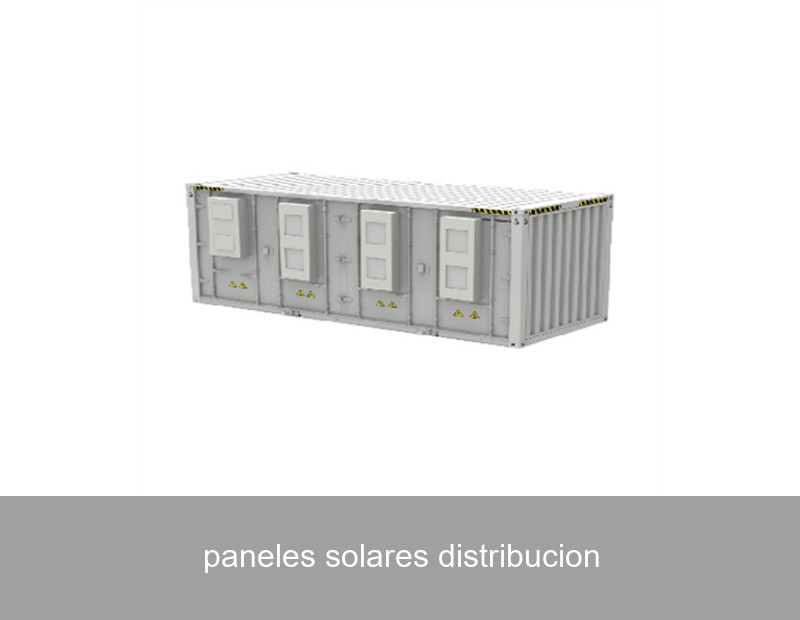
Have you ever wondered how the sunlight hitting your roof is transformed into clean electricity for your home or business? The journey begins with paneles solares distribucion—the intricate network that moves solar panels from manufacturers to your doorstep. This isn't just about logistics; it's the critical backbone of the renewable energy revolution, ensuring that high-quality, efficient technology reaches consumers and businesses across Europe and the United States. As grid instability and energy costs rise, a robust and intelligent distribution system for solar panels becomes not just beneficial, but essential for a sustainable future.
Table of Contents
The Challenge: More Than Just Shipping Boxes
Traditional solar panel distribution often follows a simple, linear model: factory to warehouse to installer. However, this model is cracking under modern pressures. For end-users, the real pain points emerge after delivery: Will these panels work optimally with my specific energy consumption patterns? What about storage for the excess energy generated on sunny days? Simply having panels on your roof doesn't guarantee maximum savings or resilience.
The real issue is the disconnect between hardware supply and system intelligence. A panel is a component, not a solution. True power independence requires seamless integration with advanced inverters, smart energy management systems, and, crucially, battery energy storage systems (BESS). This is where the distribution chain often falls short, leaving consumers with a partial solution.

Credit: Photo by American Public Power Association on Unsplash. A solar installation highlights the need for integrated system design, not just panel placement.
Why Data-Driven Distribution Matters for Your ROI
Let's talk numbers. The International Energy Agency (IEA) reports that solar PV is on track to become the largest source of installed power capacity globally (IEA Renewables 2023 Report). This boom intensifies the need for a distribution ecosystem that prioritizes system performance over mere transactional sales.
Consider these critical factors that a sophisticated distribution network must address:
- Local Climate Compatibility: Panels for sun-drenched Southern Spain differ in optimal specification from those for cloudier Northern Germany.
- Grid Interaction Policies: Net metering rules in California differ vastly from feed-in tariffs in parts of Europe, affecting ideal system size and storage needs.
- Energy Consumption Profiles: A bakery with high morning energy use needs a different storage strategy than a data center with constant load.
When distribution is informed by this data, it evolves into a consultancy model. Partners like Highjoule leverage over 18 years of expertise to distribute not just panels, but holistic, intelligent storage solutions. We ensure the components you receive are pre-vetted for compatibility and performance within a complete system designed for your specific market and application.
A Real-World Case Study: Boosting Resilience in Valencia, Spain
In 2022, a medium-sized industrial park in Valencia faced a dual challenge: rising grid energy costs and frequent minor grid disturbances affecting sensitive manufacturing equipment. Their initial plan was to simply source and install a large rooftop PV array through a standard distributor.
However, after a consultation that analyzed their load profile, they opted for a solution distributed and integrated by Highjoule. The project included:
| Component | Specification | Purpose |
|---|---|---|
| High-Efficiency Solar Panels | 550W Bifacial Modules | Maximize generation from limited roof space |
| Highjoule HES Series Hybrid Inverter | 100 kW, 3-phase | Intelligent energy routing & grid management |
| Highjoule BESS (Battery Energy Storage System) | 250 kWh Lithium Iron Phosphate (LFP) | Store excess solar, provide backup power, peak shaving |
| Highjoule Energy Management System (EMS) | AI-driven platform | Monitor, control, and optimize self-consumption |
The results, after one year of operation:
- Grid Independence: Achieved 82% annual self-consumption rate, up from an estimated 35% with panels alone.
- Cost Savings: Reduced energy bills by over 60%, with a projected ROI of under 5 years.
- Resilience: Seamless backup during 4 grid outages, preventing an estimated €15,000 in production losses.
This case underscores that value-driven paneles solares distribucion is about delivering a guaranteed outcome—energy independence—not just pallets of hardware.
The Highjoule Approach: Intelligent Distribution for Complete Solutions
Founded in 2005, Highjoule has redefined distribution by focusing on system integration from the start. We understand that the panel is the beginning of the conversation. Our global network serves commercial, industrial, residential, and microgrid applications by providing a seamless pipeline from world-class manufacturers to fully operational, smart energy systems.
Our distribution philosophy is built on three pillars:
- Application-Matched Technology: We don't offer a one-size-fits-all catalog. Our experts match panel technology, inverter topology, and battery chemistry to your project's unique financial and operational goals.
- Integrated Storage by Design: Every solar solution we distribute is evaluated with storage in mind. Our proprietary BESS units, like the Highjoule H-Cube, are designed for seamless DC-coupling with solar arrays, increasing efficiency and simplifying installation.
- Local Support with Global Expertise: With deep roots in both European and North American markets, we ensure our distributed systems comply with all local codes and incentives, backed by remote monitoring and support.

Credit: Photo by Andreas Gücklhorn on Unsplash. Integrated storage systems, like those from Highjoule, are key to maximizing solar investment.
Future Trends: How Distribution is Getting Smarter
The future of solar panel distribution is digital and decentralized. We are moving towards a model where distribution centers will hold less generic inventory and instead function as system integration hubs. Key trends include:
- AI-Powered System Design: Distributors will use AI platforms to simulate a customer's site, recommending the optimal panel-inverter-storage combo for 25-year performance.
- Blockchain for Provenance: Ensuring ethical sourcing and carbon footprint tracking of every panel and battery cell from mine to installation.
- Virtual Power Plants (VPPs): Distributed systems like Highjoule's are increasingly being aggregated. Our EMS can allow clusters of residential or commercial systems to act as a single, grid-stabilizing power plant, creating new revenue streams for owners.
This evolution turns the distributor into a long-term technology partner. As noted by the Solar Energy Industries Association, system intelligence is becoming the primary differentiator (SEIA Market Insight Report 2023).
What Does Your Ideal Path to Energy Independence Look Like?
The journey with solar energy is no longer just about finding a supplier for panels. It's about choosing a partner who understands the entire energy equation for your home, business, or community. The right distribution partner provides the roadmap, the compatible components, and the intelligence to make it all work harmoniously for decades.
Is your current energy solution simply offsetting costs, or is it actively building resilience and value for your future? What would a 60% reduction in your energy bill and immunity from grid outages mean for your operations or peace of mind?
 Inquiry
 Online Chat