


Unlocking Maximum Potential: A Deep Dive into the 500Wc Photovoltaic Panel
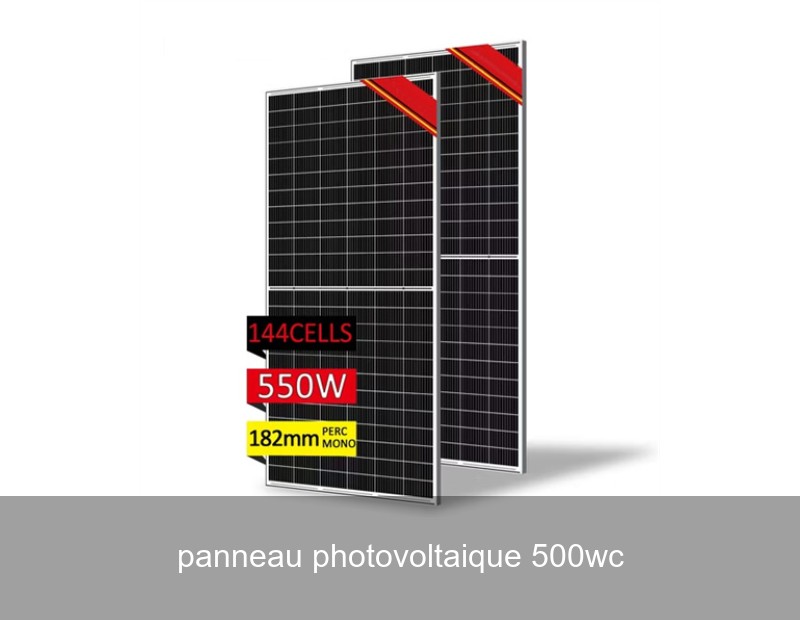
You've likely heard the buzz: "Go solar, save money, be green." But as you start researching, you're quickly met with a sea of technical specs. Among them, one term keeps popping up with increasing frequency: the 500Wc photovoltaic panel. What makes this specific module the new benchmark for residential and commercial solar projects in Europe and the US? Is it just marketing, or a genuine leap in energy independence? Let's cut through the noise and explore not just the panel itself, but the complete system required to harness its full power, ensuring your investment delivers every possible watt-hour.
Table of Contents
The 500Wc Panel: More Than Just a Number
The "500Wc" (500 Watt-peak) rating represents the theoretical maximum power output of a panel under ideal laboratory conditions. In the real world, factors like temperature, shading, and angle reduce this output. However, the move towards 500Wc and higher-class panels signifies a crucial industry shift: achieving higher energy density. This means generating more electricity from the same roof area.
This is achieved through advanced cell technology, like half-cut or shingled cells, which reduce internal resistance and improve performance in partial shade, and larger wafer sizes. For a homeowner, this translates to needing fewer panels to meet your energy goals—a perfect solution for roofs with space constraints.

But here's the critical insight many miss: A high-power panel is only as good as the system it's connected to. Plugging a state-of-the-art 500Wc panel into an outdated or mismatched system is like putting premium fuel in a car with a clogged engine. You won't see the benefits.
The System Synergy: Why Your Inverter and Battery Matter Most
This is where the true magic of a modern solar installation happens. The panel generates direct current (DC). Your home uses alternating current (AC). The inverter's job is to convert DC to AC, and its efficiency dictates how much of your precious solar harvest actually makes it into your home.
With high-power panels, you need an inverter that can handle higher voltage and current strings efficiently. More importantly, to truly capitalize on your solar investment, you need to store excess energy for use at night or during peak tariff periods. This is where the battery energy storage system (BESS) becomes the cornerstone of energy independence.
At Highjoule, we've focused on this system synergy since 2005. Our H-Stack Modular Battery System is engineered specifically for high-performance solar arrays. It features:
- High Round-Trip Efficiency (RTE): Exceeding 96%, meaning you lose very little energy in the storage and retrieval process.
- Scalable Capacity: Start with a base unit and expand as your needs grow, perfect for pairing with a system built with 500Wc panels.
- Advanced DC-Coupling Option: For systems with compatible inverters, our DC-coupled solution can be more efficient by storing power directly from the panels before conversion losses occur.
According to data from the National Renewable Energy Laboratory (NREL), system-level design, including inverter and battery choice, can impact overall solar energy utilization by up to 30%. That's a staggering figure that overshadows minor panel efficiency differences.
The Voltage and Compatibility Check
Modern 500Wc panels often have a higher open-circuit voltage (Voc). It is absolutely vital to ensure your inverter's maximum input voltage can accommodate the string configuration, especially in colder climates where voltage rises. A professional design from a company like Highjoule always includes detailed climatic modeling to prevent this issue.
Case Study: Maximizing a Limited Roof in Frankfurt
Let's look at a real-world example from our European operations. A client in Frankfurt, Germany, had a south-facing roof with space for only 12 panels. Their goal was to cover at least 70% of their annual 6,500 kWh consumption.
| Component | Standard Panel Option (400Wc) | High-Efficiency Option (500Wc with Highjoule System) |
|---|---|---|
| Total Array Capacity | 4.8 kWp | 6.0 kWp |
| Estimated Annual Production | 4,500 kWh | 5,800 kWh |
| System Includes | Basic inverter, no storage | High-efficiency inverter + Highjoule H-Stack 10kWh battery |
| Self-Consumption Rate | ~35% (excess sold to grid at low feed-in tariff) | ~85% (most excess stored for own use) |
| Estimated Grid Independence | Low | High, especially during evenings |
By opting for 500Wc panels, the client gained 1.2 kWp of extra capacity on the same roof. Pairing it with our intelligent battery storage allowed them to capture and use that extra energy instead of selling it at a low rate. The result? They now achieve over 85% self-consumption and are largely shielded from rising electricity prices. The project paid back its investment 2 years faster than the standard option would have.
Beyond Installation: The Intelligence of Modern Energy Management
Installing high-end hardware is just the first step. The second, and often more valuable step, is intelligent energy management. Think of it as the "brain" for your solar and storage "brawn."
Highjoule's EnergyOS™ platform turns a collection of components into a smart, grid-responsive asset. It learns your consumption patterns, weather forecasts, and utility rate schedules (like time-of-use rates common in California or parts of Europe) to make autonomous decisions:
- Should I charge the battery from the panels or from the grid during a cheap off-peak window?
- Should I discharge the battery to power the home or provide backup power during a grid outage?
- How can I optimize for maximum self-consumption and bill savings?
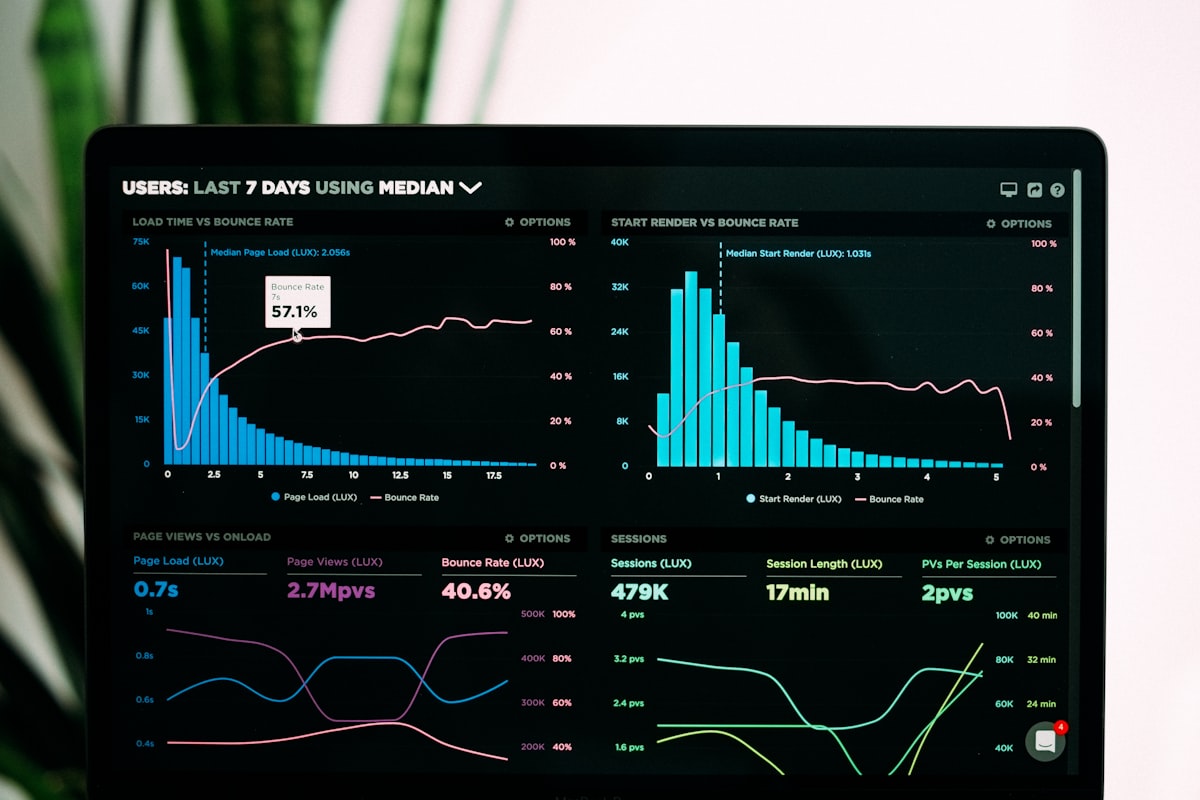
This software layer is what ensures your 500Wc panels and battery storage work in perfect, money-saving harmony for decades. It's the difference between having a solar system and having a truly intelligent, resilient home energy ecosystem. For more on how software optimizes storage, the U.S. Department of Energy provides extensive research.
Is Your Home Ready for High-Efficiency Solar?
The journey to a 500Wc panel system begins with the right questions. It's not just about the panel brand. You need to consider:
- Your Roof's Audit: Structural integrity, shading analysis, and orientation.
- Your Energy Profile: A detailed look at your hourly and seasonal consumption (smart meter data is gold here).
- Your Local Grid Dynamics: Understanding net metering policies, feed-in tariffs, and time-of-use rates in your region.
- Your Long-Term Resilience Goals: Is backup power during outages a priority?
This is where a holistic provider like Highjoule adds immense value. We don't just sell panels or batteries; we provide end-to-end intelligent power solutions. From the initial feasibility study and custom design using top-tier 500Wc panels, through the integration of our H-Stack battery and EnergyOS™ platform, to ongoing monitoring and support, we ensure every component is optimized for your specific context in the US or European market.
So, as you contemplate those high-power panels on your roof, ask yourself this: Are you simply buying a product, or are you investing in a fully integrated, intelligent system designed to maximize your energy independence for the next 25 years? What would achieving 80% or more self-sufficiency mean for your household budget and peace of mind?
 Inquiry
 Online Chat