


Harnessing the Sun in Harsh Climates: The Power of Panneau Solaire Djibouti
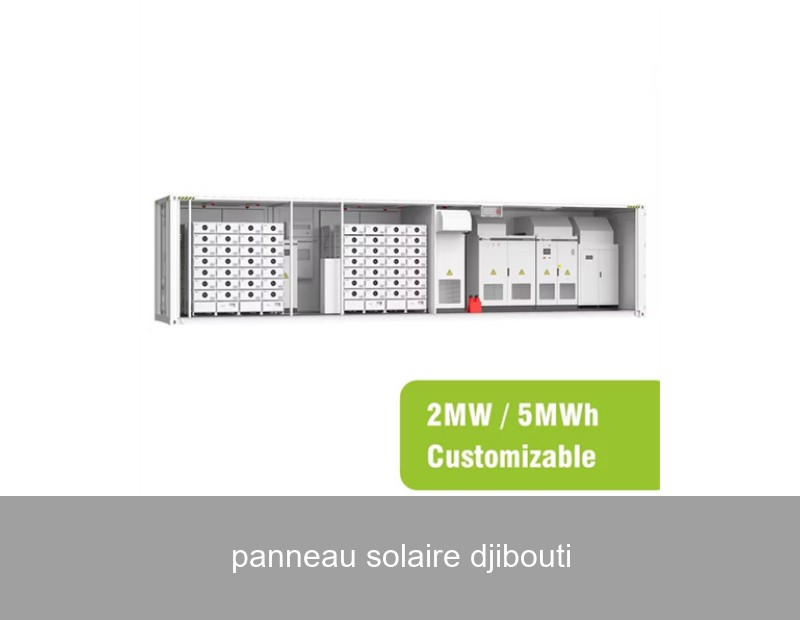
Imagine a land where the sun blazes for over 3,000 hours a year, yet energy costs are high and grid reliability is a constant concern. This is the reality and the opportunity in Djibouti, a nation perfectly positioned for a panneau solaire Djibouti revolution. For businesses and communities here, solar panels (panneaux solaires) are not just an eco-friendly choice; they are a strategic necessity for energy independence and economic resilience. This article explores the unique challenges and immense potential of solar energy in Djibouti, and how advanced technology is turning relentless sunshine into reliable, sustainable power.
Table of Contents
The Djibouti Dilemma: Sun-Rich, Power-Challenged
Djibouti's climate presents a fascinating paradox. With some of the highest solar irradiance levels on the planet, the potential for solar energy is staggering. Studies by the World Bank Group highlight the Horn of Africa region's exceptional suitability for solar photovoltaic (PV) development. However, the very elements that create this potential—extreme heat, dust storms, and high humidity—pose significant challenges for conventional solar installations. Panels can overheat, losing efficiency, while dust accumulation can drastically reduce energy output. Furthermore, the lack of a robust, centralized grid means that energy generated must often be consumed immediately or stored, which has historically been a costly hurdle.

Credit: Photo from Unsplash by American Public Power Association - Illustrative of high-irradiance environments.
Beyond the Panel: Why Storage is Non-Negotiable
This is where the conversation about panneau solaire Djibouti must evolve. Simply installing panels is only half the solution. The true game-changer is coupling them with an intelligent, resilient Battery Energy Storage System (BESS). Think of it this way: solar panels are the excellent harvesters, but without a sturdy silo (the battery), much of the harvest can be lost.
- Mitigating Intermittency: The sun doesn't shine at night, but energy demand doesn't stop. A BESS stores excess daytime energy for use in the evening, providing 24/7 power.
- Grid Stabilization: For microgrids or facilities operating independently, batteries provide critical voltage and frequency control, ensuring the stability of your local power network.
- Protecting Equipment: Advanced BESS can provide seamless backup power during grid fluctuations, protecting sensitive commercial and industrial equipment from damage.
For a market like Djibouti, where diesel generators are often a costly and polluting backup, a solar-plus-storage system offers a cleaner, quieter, and ultimately more cost-effective alternative.
Case Study: A Djibouti Hotel's Journey to Energy Independence
Let's look at a tangible example. A prominent coastal hotel in Djibouti City faced cripplingly high electricity costs, accounting for nearly 40% of its operational expenses. Frequent, short grid outages were disrupting guest experience and operational efficiency. Their diesel generator was noisy, expensive to run, and contradicted their brand's image.
In 2022, the hotel implemented a turnkey solar-plus-storage solution. The system included:
| Component | Specification | Role |
|---|---|---|
| Solar PV Array | 350 kWp | Primary energy generation |
| Battery Storage | 500 kWh / 250 kW | Energy time-shifting and backup |
| Smart Energy Manager | Integrated system controller | Optimizes self-consumption and grid interaction |
The results, monitored over 18 months, were compelling:
- Energy Cost Reduction: Achieved a 68% decrease in grid electricity purchases.
- Diesel Displacement: Reduced generator runtime by over 90%, slashing fuel costs and maintenance.
- Reliability: Eliminated power-related disruptions for guests, improving online ratings.
- ROI: Projected payback period of under 5 years, thanks to significant savings.
This case underscores that a well-engineered panneau solaire Djibouti project is a powerful economic driver, not just an environmental statement. You can explore more global data on solar potential via the World Bank's Global Solar Atlas.
Engineered for Extremes: Highjoule's Integrated Solutions
At Highjoule, we understand that success in demanding environments like Djibouti requires more than off-the-shelf components. It demands systems engineered for durability, intelligence, and simplicity. Founded in 2005, Highjoule has pioneered advanced storage solutions that make renewable energy reliable for commercial, industrial, and microgrid applications worldwide.
For partners exploring panneau solaire Djibouti projects, our value proposition is clear:
- High-Temperature Resilience: Our proprietary battery thermal management systems ensure optimal performance and longevity even in Djibouti's extreme heat, a common failure point for standard systems.
- All-in-One Intelligence: The Highjoule HPS (Hybrid Power System) platform seamlessly integrates solar, storage, and generator sources. Its AI-driven software automatically chooses the most efficient and cost-effective power source every second of the day.
- Robust and Service-Friendly Design: We design for the real world. Our containerized and modular systems are built to withstand harsh conditions, with clear service access to minimize downtime—a critical factor in remote or specialized locations.
We don't just sell hardware; we provide a complete power resilience service. From initial site assessment and financial modeling to remote monitoring and local technician training, Highjoule ensures your investment delivers predictable performance for decades. Learn about the science of battery degradation in heat from a trusted source like the National Renewable Energy Laboratory (NREL).

Credit: Photo from Unsplash by ThisisEngineering - Illustrative of advanced energy storage monitoring.
The Future of Solar in Djibouti and Similar Markets
The trajectory for solar energy in sun-drenched, grid-constrained markets is unmistakably upward. As battery technology continues to advance and costs decline, the economic argument for solar-plus-storage becomes irrefutable. The next frontier involves smarter, more adaptive microgrids that can power not just individual businesses but entire communities or industrial zones, fostering sustainable development.
For a hotel owner, a factory manager, or a utility planner in Djibouti, the question is no longer if to adopt solar, but how to do it right. The key lies in choosing a partner that views the panneau solaire as one component of a holistic, resilient energy ecosystem.
 Inquiry
 Online Chat