


Unlocking Energy Independence: A Deep Dive into the PH1800 Hybrid Solar BESS
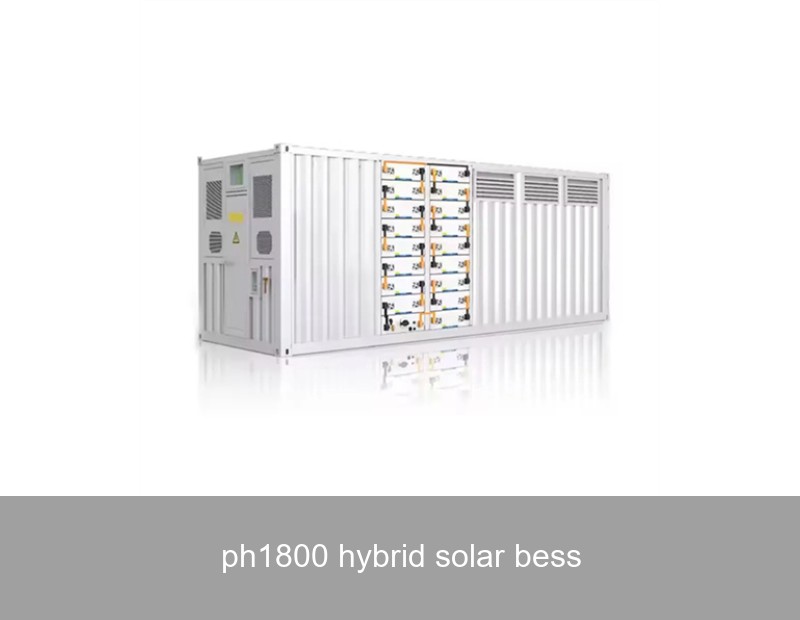
Have you ever watched your electricity bill climb with a sense of helplessness, or wondered what happens when the grid falters during a storm? You're not alone. Across homes in Europe and the US, a quiet revolution is taking place. Homeowners are moving beyond just solar panels, seeking a comprehensive solution that captures, stores, and intelligently manages their power. This is where the PH1800 hybrid solar BESS comes into play. More than just a battery, it's the heart of a modern, resilient home energy system. As a leading provider since 2005, Highjoule has been at the forefront of this shift, designing systems like the PH1800 to turn homes into self-sufficient power hubs.
Table of Contents
The Problem: Solar's Missing Piece
For years, rooftop solar was the go-to for eco-conscious homeowners. It felt great to generate clean energy. But a fundamental issue remained: the sun doesn't shine on demand. Your panels produce a surplus at noon when you're at work, but you draw expensive grid power in the evening. This mismatch means you're still vulnerable to utility rate hikes and blackouts. A traditional solar setup is like having a well without a bucket—you can't save the water for when you're truly thirsty. The PH1800 hybrid solar BESS is that essential bucket, designed to store your solar bounty for use anytime.
The Data: Why Hybrid is the Smart Choice
The economic and practical argument for adding storage is now overwhelming. According to the U.S. Department of Energy, pairing storage with solar can increase a homeowner's consumption of self-generated electricity by up to 50-80%. Let's break that down with a simple table comparing common energy setups:
| System Type | Self-Consumption | Grid Dependence at Night | Backup During Outage |
|---|---|---|---|
| Grid-Tied Solar Only | ~30-40% | High | None |
| Hybrid Solar + Storage (e.g., PH1800) | 70-90% | Low to None | Yes, Seamless |
Furthermore, with Time-of-Use (TOU) rates spreading across California, parts of the EU, and other regions, the ability to avoid buying peak-price electricity from the grid becomes a direct financial shield. The PH1800 hybrid solar BESS intelligently navigates these price signals, discharging stored solar power when grid rates are highest.
The Solution: Inside the PH1800 Hybrid Solar BESS
So, what makes a "hybrid" system different? Unlike simply adding a battery to an existing setup, a hybrid system is an integrated unit. The PH1800 combines a solar inverter, a battery inverter, and a sophisticated energy management system into one streamlined device. Think of it as the brain and nervous system of your home's power.
- All-in-One Design: Simplifies installation and reduces wall clutter.
- High-Capacity Storage: With its scalable lithium-ion phosphate (LFP) battery, the "1800" denotes a substantial capacity, suitable for powering essential home loads through the night or during prolonged outages.
- Intelligent Energy Manager: This software is the true hero. It constantly makes decisions: send solar to the house, charge the battery, or export to the grid based on weather forecasts, usage patterns, and tariff settings.

Image Source: Unsplash (Representative image of a modern home battery system)
Highjoule's Expertise: Engineering Peace of Mind
This is where Highjoule's nearly two decades of experience become critical. We don't just sell hardware; we provide a complete power solution. The PH1800 is built with our proprietary cell technology and battery management system (BMS), ensuring safety, longevity, and performance. Our systems are designed for the diverse climates of North America and Europe, from snowy Scandinavian winters to hot Mediterranean summers.
For homeowners, this translates to a seamless experience. From the initial consultation—where we model your home's energy profile—through professional installation and ongoing monitoring via the Highjoule app, we ensure your PH1800 hybrid solar BESS delivers on its promise of independence, savings, and reliability.
A Real-World Case: The Schmidt Family in Bavaria
Let's move from theory to a tangible example. The Schmidt family, living in a detached home near Munich, Germany, installed a Highjoule PH1800 system in early 2023. Their goals were clear: reduce reliance on volatile grid prices and ensure power for a home office and medical device.
- System: 8.4 kWp solar array + Highjoule PH1800 Hybrid BESS (18 kWh usable capacity).
- Result after 12 months: Their annual grid electricity purchase dropped by 92%. They achieved a self-consumption rate of 88% of their solar generation.
- Financial Impact: Despite a cloudy winter, their calculated ROI period is under 8 years, thanks to Germany's high electricity prices and intelligent peak-shaving. During two short grid outages, the transition to backup power was instantaneous and unnoticed.
"It's not just about the numbers," Frau Schmidt noted. "It's the peace of mind. We feel in control of our energy for the first time." This case echoes findings from the International Energy Agency, which highlights storage as a key enabler for consumer empowerment and grid stability.

Image Source: Unsplash (Representative image of a family monitoring home energy use)
Is Your Home Ready for the Next Generation of Power?
The journey toward energy independence isn't a distant future concept; it's available today with technology like the PH1800 hybrid solar BESS. It represents a shift from being a passive consumer to an active manager of your most essential utility. As weather patterns become more unpredictable and energy markets more complex, the value of a resilient, smart home energy system only grows.
What would you power first during an outage? What could you do with the savings from slashing your peak-time electricity purchases? Highjoule's team of experts is ready to help you explore what a system designed for your specific home, lifestyle, and goals could look like. The first step to answering these questions is just a conversation away.
 Inquiry
 Online Chat