


Portable Power Station Uganda: A Reliable Energy Solution for Off-Grid and Emergency Needs
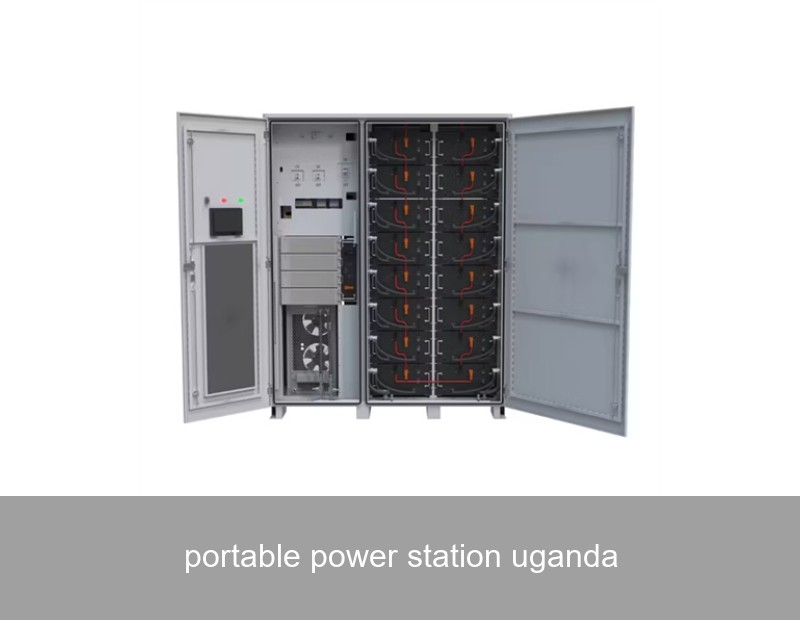
Imagine you're in the heart of Kampala, and a sudden power outage disrupts your business meeting. Or you're a healthcare worker in a rural Ugandan clinic where the refrigeration for vital medicines depends on an unreliable grid. Across Uganda, from bustling urban centers to remote communities, access to consistent, clean power remains a significant challenge. This is where the modern portable power station emerges not just as a gadget, but as a transformative energy solution. Unlike traditional, noisy petrol generators, these silent, solar-ready units offer a clean, reliable, and sustainable way to keep essential devices running. For individuals, businesses, and communities in Uganda, investing in a robust portable power station means investing in productivity, safety, and continuity.
Table of Contents
- The Power Gap: Uganda's Energy Reality
- What is a Modern Portable Power Station?
- Key Features to Look For in a Power Station for Uganda
- A Real-World Case Study: Solar-Powered Clinic in Nakaseke
- Beyond Basic Power: The Highjoule Approach to Resilient Energy
- Choosing the Right Portable Power Solution for Your Needs
The Power Gap: Uganda's Energy Reality
While Uganda has made strides in grid expansion, the data reveals a persistent gap. According to the World Bank, over 50% of Uganda's population had access to electricity in 2022, a marked improvement, yet millions remain off-grid. Furthermore, those connected often face frequent and prolonged outages, disrupting daily life and economic activity. This instability affects everything from small home-based businesses charging phones and laptops to larger commercial operations and critical healthcare services. The traditional stopgap—fuel generators—comes with ongoing costs, noise, pollution, and maintenance hurdles. This landscape creates a perfect use case for advanced, battery-based portable power stations, especially when paired with solar panels, offering a quieter, cleaner, and often more cost-effective alternative for backup and primary power.
What is a Modern Portable Power Station?
Let's demystify the technology. A portable power station is essentially a large, sophisticated battery in a box with intelligent outputs. It stores electrical energy (typically in Lithium Iron Phosphate or LiFePO4 batteries, known for safety and longevity) and delivers it via various ports like AC sockets, USB-C, USB-A, and 12V car outlets. Think of it as a massive, rechargeable power bank for your entire life or business.
- Silent & Zero-Emission Operation: No fumes, no noise. Perfect for indoor use, markets, or quiet rural settings.
- Solar-Ready Design: Most can be recharged directly from solar panels, turning sunlight into a free, renewable fuel source—a critical advantage in sunny Uganda.
- Multi-Device Charging: Power everything from smartphones and LED lights to medical refrigerators, power tools, and even small appliances simultaneously.
- Low Maintenance: Unlike generators, there are no moving parts to service, just occasional recharging.
For the Ugandan context, this means resilience. It means a student can study at night, a vendor can keep a light and phone charger running, and a clinic can preserve vaccines during an outage.
Key Features to Look For in a Power Station for Uganda
Not all power stations are created equal, especially for demanding environments. When evaluating a portable power station for Uganda, consider these critical factors:
| Feature | Why It Matters for Uganda | Recommended Spec |
|---|---|---|
| Battery Chemistry | Safety and cycle life are paramount. Batteries face heat and heavy use. | LiFePO4 (LFP): Safer, lasts 3000+ cycles, withstands higher temperatures. |
| Solar Input Capacity | Determines how quickly you can recharge from the abundant Ugandan sun. | High wattage input (e.g., 500W+) for faster solar recharge times. |
| Power Output (Wattage) | Defines what appliances you can run. Undersizing leads to frustration. | 1000W-2000W+ for running fridges, power tools, or small business equipment. |
| Capacity (Watt-hours, Wh) | How long it will run your devices. More capacity means longer runtime between charges. | 1000Wh+ for meaningful backup for essential loads over several hours. |
| Durability & Warranty | Equipment must withstand transport, dust, and variable climates. | Robust casing and a comprehensive, long-term warranty (5+ years). |
A Real-World Case Study: Solar-Powered Clinic in Nakaseke
Let's move from theory to practice. A community health clinic in the Nakaseke district faced a critical problem: unreliable grid power jeopardized the storage of vaccines and antiretroviral drugs, requiring a strict cold chain. Using a diesel generator was expensive and logistically challenging.
The Solution: In 2023, the clinic deployed a portable power station system with a high-capacity LiFePO4 battery (2048Wh), paired with 800W of solar panels mounted on the clinic roof.
- 100% Vaccine Viability: The power station provided seamless backup, maintaining refrigeration through grid outages. Previously, spoilage rates were estimated at 15-20% during prolonged outages.
- Cost Reduction: Fuel costs for the generator were eliminated for over 90% of the clinic's operating hours, saving approximately $180 per month.
- Extended Services: Reliable power allowed the clinic to operate LED lighting for evening consultations and charge medical devices, increasing patient service hours by 25%.
This case, documented by a local NGO partner, underscores that a well-specified portable power station isn't just about convenience; it's about community health and economic efficiency. The system paid for itself in fuel savings within 14 months.

Image: Solar and storage solutions are vital for off-grid healthcare. (Image Source: Unsplash)
Beyond Basic Power: The Highjoule Approach to Resilient Energy
While consumer-grade power stations are excellent for personal use, demanding commercial, industrial, and community applications require a more robust and integrated approach. This is where Highjoule's expertise comes in. As a global leader in advanced energy storage since 2005, we engineer solutions that go beyond the portable box.
For contexts like Uganda, Highjoule's modular and scalable battery energy storage systems (BESS) can be configured to provide much larger capacities and power outputs. Imagine a system that powers an entire telecom tower, a small manufacturing workshop, or a microgrid for a village. Our systems are built with the same core principles of safety (using premium LiFePO4 cells), solar integration, and intelligence, but at a scale that drives community and commercial transformation.
Highjoule's smart energy management software allows for remote monitoring and control—a game-changer for managing distributed assets across Uganda. Whether it's a larger "portable" unit on a trailer for agricultural processing or a stationary storage system for a school, we provide intelligent, efficient, and sustainable power solutions tailored to the specific voltage, frequency, and environmental needs of the region.
Choosing the Right Portable Power Solution for Your Needs
So, how do you decide? Ask yourself these questions:
- What absolutely needs to stay on during an outage? (e.g., fridge, lights, router, medical device). List their wattages.
- How long do you need backup power? A few hours or multiple days?
- What is your primary recharge method? Solar is ideal in Uganda, but can you also use grid or a generator if needed?
- Is this for mobile use or a fixed location? Weight and form factor matter if moving it frequently.
For larger needs—powering a guesthouse, a farm irrigation system, or a cluster of small businesses—this is where consulting with an expert like Highjoule becomes invaluable. We can help design a system that grows with your energy demands.
The conversation around energy in Uganda is shifting from mere access to reliable and smart access. A portable power station is a powerful step in that direction. But what could your community or business achieve with a resilient, solar-powered energy system designed not just for today, but for the next decade? We invite you to share your biggest energy challenge with us.
 Inquiry
 Online Chat