


Beyond Blackouts: The Rise of Reliable Power Backup for Home in Kenya
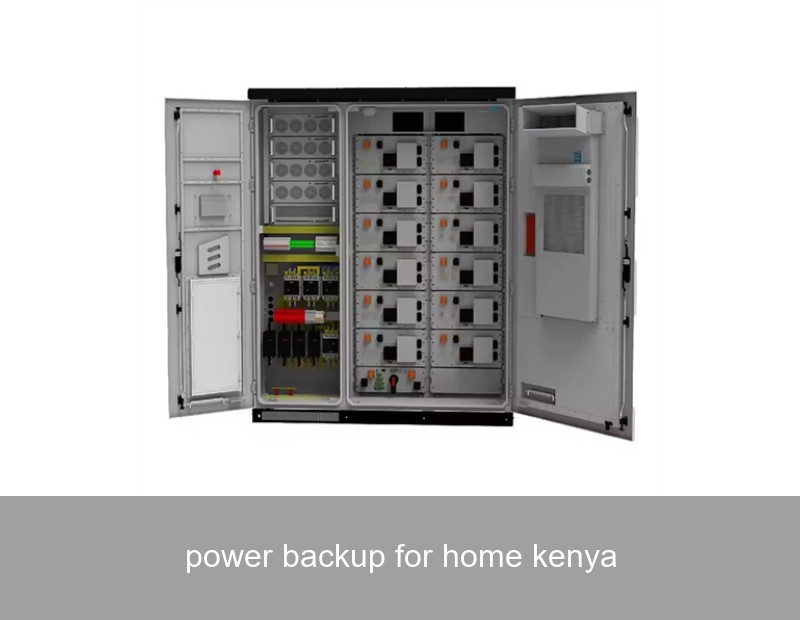
Imagine you're in the middle of an important video call, dinner is simmering on the electric cooker, and your child is finishing homework online. Then, the familiar hum of appliances cuts out—another power blackout. For many Kenyan households, this isn't just an occasional inconvenience; it's a recurring reality that disrupts daily life, work, and security. But what if your home could seamlessly transition to its own clean, quiet power source the moment the grid fails? This is no longer a futuristic dream. Intelligent power backup for home in Kenya is evolving from simple generators to sophisticated, sustainable solar and battery storage systems, empowering homeowners to take control of their energy independence.
Table of Contents
- The Kenyan Power Reality: More Than Just an Inconvenience
- The Evolution of Home Backup: From Generators to Intelligent Energy Systems
- Why Solar-Plus-Storage is the Smart Choice for Kenya
- A Nairobi Case Study: Real Data on Savings and Reliability
- Choosing the Right Power Backup System for Your Kenyan Home
- The Future of Home Energy in Kenya
The Kenyan Power Reality: More Than Just an Inconvenience
Kenya's energy landscape is a tale of two grids. While the country is a leader in geothermal and wind power generation in Africa, the transmission and distribution network faces challenges. The Kenya Power and Lighting Company (KPLC) reported a system average interruption duration index (SAIDI) of approximately 50 hours per customer in a recent year, though localized areas can experience far more. These outages, whether planned for maintenance or unplanned faults, have tangible impacts:
- Economic Loss: Disrupted work-from-home operations, spoiled food, and damaged electronics.
- Educational Gaps: Interrupted online learning and study time for students.
- Security Concerns: Homes plunged into darkness, compromising safety.
- Noise and Air Pollution: From the widespread use of diesel and petrol generators as a stopgap solution.
The demand for a cleaner, quieter, and more automatic solution is skyrocketing. This is where modern power backup for home solutions, particularly those integrated with solar PV, are changing the game.
The Evolution of Home Backup: From Generators to Intelligent Energy Systems
The journey of backup power in Kenya has been distinct:
- Phase 1: The Generator Era. Loud, fuel-dependent, and requiring manual operation. They provide power but at a high ongoing cost and environmental footprint.
- Phase 2: Basic Inverter Batteries. Using lead-acid batteries to power essentials during an outage. Quieter but often limited in capacity, cycle life, and depth of discharge.
- Phase 3: Intelligent Solar Hybrid Systems. This is the modern standard. It combines solar panels, high-performance lithium-ion batteries, a smart hybrid inverter, and energy management software. The system doesn't just react to outages; it proactively manages energy—using solar to power the home and charge the battery, then drawing from the battery when grid power is expensive or unavailable.
This intelligent system is precisely what companies like Highjoule specialize in. With nearly two decades of experience since 2005, Highjoule designs power backup for home solutions that are built for reliability. Our residential energy storage systems, like the Highjoule HomePower Series, are built with lithium iron phosphate (LFP) battery chemistry, known for its exceptional safety, long lifespan (over 6000 cycles), and excellent performance in varied climates. Paired with our smart energy management gateway, the system gives Kenyan homeowners not just backup, but true energy insight and control.

Modern solar-plus-storage systems offer a clean, integrated solution for energy independence. (Image credit: Unsplash)
Why Solar-Plus-Storage is the Smart Choice for Kenya
Kenya is blessed with abundant sunshine, averaging 5-7 peak sun hours per day. This makes solar energy a natural partner for effective power backup for home. Here’s how an integrated system works to your advantage:
| Scenario | How the Solar-Battery System Responds | Benefit to Homeowner |
|---|---|---|
| Sunny Day, Grid Available | Solar powers the home first, excess charges the battery, any surplus can be exported to grid (if regulations allow). | Drastic reduction in daytime electricity bills, battery is pre-charged with free solar energy for the night. |
| Sunny Day, Grid Outage | System isolates from grid (anti-islanding), continues to power the home from solar and battery seamlessly. | No interruption. You might not even notice the blackout. Essential and non-essential loads stay on. |
| Nighttime, Grid Outage | The home is powered solely from the energy stored in the battery during the day. | Quiet, automatic backup through the night. Duration depends on battery capacity and load. |
The financial logic is compelling. While there's an upfront investment, it locks in your energy costs for decades. You become less vulnerable to rising utility tariffs and volatile fuel prices. According to the International Renewable Energy Agency (IRENA), the cost of solar PV and batteries has fallen dramatically, making it an increasingly accessible solution globally.
A Nairobi Case Study: Real Data on Savings and Reliability
Let’s look at a real-world example from a Highjoule installation in a 4-bedroom home in Nairobi's Lavington area in early 2023.
The Challenge: The household experienced an average of 8-10 hours of outages per week. They relied on a 5kVA generator, spending approximately KES 15,000 monthly on diesel, not to mention maintenance and noise.
The Solution: A Highjoule HomePower 10 system with 8kW hybrid inverter, 10.2kWh LFP battery capacity, and 6kWp of solar panels.
- Backup Reliability: 100% of grid outages were covered seamlessly. The generator was retired.
- Financial Savings: Monthly KPLC bill reduced by ~70% (from ~KES 6,000 to ~KES 1,800). Diesel costs of KES 15,000 eliminated.
- Total Monthly Energy Cost Saving: Approximately KES 19,200.
- Environmental Impact: Estimated carbon emission reduction of over 4 tonnes CO2e per year.
- Payback Period: Projected at under 5 years, given the combined savings.
This case illustrates that modern power backup for home in Kenya is an investment that pays for itself, transforming a cost center (generator fuel & high bills) into a value-generating asset.
Choosing the Right Power Backup System for Your Kenyan Home
Not all systems are created equal. Here’s a quick guide on what to look for:
- Battery Chemistry & Safety: Insist on Lithium Iron Phosphate (LFP). It's inherently safer (thermal runaway resistant) and longer-lasting than older NMC lithium-ion, especially important in warm climates. Highjoule's systems are exclusively LFP-based.
- Scalability: Can you add more battery capacity later as your needs grow? Modular designs allow this.
- Software Intelligence: The "brain" of the system. Can it prioritize solar self-consumption? Can you monitor and control it via a smartphone app? Highjoule's platform provides real-time insights and customizable operating modes.
- Quality of Installation: This is critical. Partner with a certified installer who can properly assess your load, design the system, and ensure safe, compliant integration with your home's electrical system. Highjoule works with a network of trained partners across key markets to ensure this standard.
- Warranty and Support: Look for substantial warranties on both product and performance. Highjoule offers industry-leading warranties, backed by our global technical support network.

Lithium Iron Phosphate (LFP) battery modules are the safe, long-lasting core of modern home energy storage. (Image credit: Unsplash)
The Future of Home Energy in Kenya
The conversation is shifting from mere power backup for home to comprehensive energy independence. With potential future developments like time-of-use tariffs or even virtual power plant (VPP) participation, homes with intelligent battery systems could play a role in stabilizing the national grid. The technology isn't just about weathering outages; it's about building a more resilient, efficient, and personalized energy foundation for your family.
So, the question isn't just "How long can I power my home during a blackout?" The more empowering question to ask is: "How can I transform my home into a personal power station, maximizing Kenya's sunshine to secure my comfort, finances, and contribution to a cleaner future?"
 Inquiry
 Online Chat