


Beyond the Grid: How a Modern Power Energy Supplier is Redefining Energy Independence
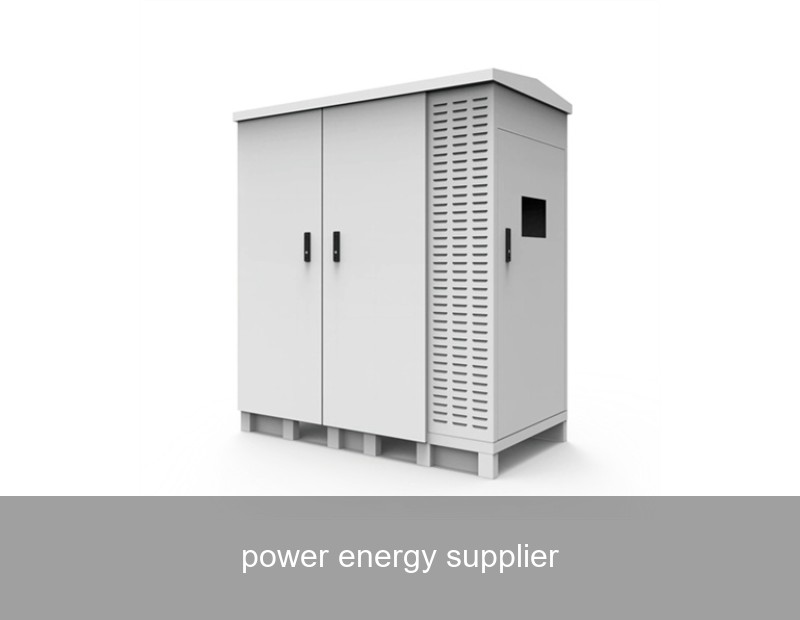
For decades, the relationship between consumers and their power energy supplier was simple: a one-way street. You drew power from the grid, paid the bill, and hoped the lights stayed on during a storm. But a profound shift is underway. Today's energy challenges—from volatile prices to grid instability—are prompting businesses and homeowners to ask a more empowering question: "What if my energy supplier could also help me generate, store, and manage my own power?" The answer lies in moving beyond traditional supply to becoming an active participant in a resilient, clean energy ecosystem.
The New Energy Reality: More Than Just Price Volatility
If you manage a facility or own a home, you've felt it. The anxiety when a storm warning is issued, the frustration of seeing an unexpectedly high utility bill, and the complexity of navigating incentives for solar panels. The old model of passive consumption is not only expensive but increasingly risky. Grid infrastructure in many parts of Europe and the U.S. is aging, and extreme weather events are testing its limits. The modern energy user needs a partner, not just a provider—a partner that offers solutions for stability, efficiency, and sustainability.

Image Source: Unsplash - Representative image of commercial solar integration.
Data & The Case for Taking Control
The economic argument for on-site energy generation and storage is now backed by compelling data. According to the International Renewable Energy Agency (IRENA), the cost of electricity from utility-scale solar photovoltaics fell by 89% between 2010 and 2022. Meanwhile, the U.S. Energy Information Administration (EIA) notes that the average U.S. electricity customer experienced just over eight hours of power interruptions in 2021. For a business, even a one-hour outage can mean tens of thousands in lost revenue and productivity.
This data paints a clear picture: renewable generation is cost-competitive, and grid reliability cannot be taken for granted. The logical step is to invest in systems that mitigate these risks. This is where the role of a forward-thinking power energy supplier evolves from selling kilowatt-hours to providing the technology and intelligence to optimize your entire energy footprint.
Case Study: A Bavarian Manufacturer's Journey to Resilience
Consider the real-world example of "Müller Präzisionsteile GmbH," a mid-sized automotive parts manufacturer in southern Germany. Facing rising energy costs and concerned about grid-dependent production halts, they partnered with Highjoule to transform their energy profile.
The Challenge: High baseload energy demand, susceptibility to grid price spikes, and a corporate sustainability target to reduce carbon emissions by 40% within five years.
The Solution: Highjoule designed and deployed an integrated system featuring:
- A 550 kW rooftop solar PV array.
- A 1.2 MWh containerized battery energy storage system (BESS) using Highjoule's proprietary cell-level monitoring technology.
- An AI-driven energy management system (EMS) to optimize self-consumption and grid interaction.
The Results (18-month period):
| Metric | Result | Impact |
|---|---|---|
| Energy Cost Savings | 68% reduction in grid power draw during peak hours | €185,000 annual savings |
| Self-Consumption of Solar | Increased from 35% to 92% | Maximized ROI on solar assets |
| Grid Independence | Critical loads can operate for 10+ hours during outages | Zero production stoppages |
| Carbon Footprint | Reduced by 380 tonnes CO2e annually | On track to exceed sustainability goal |
This case demonstrates that with the right technology partner, a business can effectively become its own most reliable power energy supplier, turning a cost center into a strategic asset.
The Modern Power Energy Supplier Solution: Intelligence + Storage
The cornerstone of this new paradigm is the battery energy storage system (BESS). But not all BESS are created equal. The true value is unlocked when advanced hardware is married with sophisticated software. A modern system must do more than just store energy; it must make intelligent, millisecond-by-millisecond decisions: Should I store solar energy now or use it? Should I draw from the battery to avoid peak demand charges or sell power back to the grid when prices are high?
This requires an Energy Management System (EMS) that acts as the brain of your microgrid. It analyzes weather forecasts, energy tariffs, consumption patterns, and grid signals to autonomously execute the most economical and resilient strategy. This intelligent layer is what differentiates a simple backup system from a comprehensive energy independence platform.
Highjoule's Integrated Approach: Your Partner in Energy Autonomy
At Highjoule, we've spent nearly two decades refining this exact integration. We don't just sell components; we deliver turnkey, intelligent energy systems tailored for commercial, industrial, and large residential applications. Our philosophy is that a reliable power energy supplier in today's world must provide the tools for self-reliance.
Our HiveStack™ platform exemplifies this. It combines our high-density, long-cycle-life battery storage units with our cloud-based HiveMind™ AI OS. For instance, a supermarket chain using HiveStack can automatically shift refrigeration loads, store midday solar power, and discharge batteries during the evening peak—all without manual intervention, achieving significant savings and providing backup power seamlessly.

Image Source: Unsplash - Representative image of energy system monitoring.
Key Components of a Smart Energy System
When evaluating solutions, look for these interconnected pillars:
- Advanced Battery Technology: Safety and longevity are paramount. Look for systems with robust thermal management, cell-level diagnostics (like Highjoule's SentinelTech™), and warranties that guarantee performance over 10+ years.
- Grid-Interactive Inverters: The hardware that connects your solar and storage to the grid must be bidirectional, responsive, and compliant with local grid codes for safe operation.
- Predictive Energy Management Software: The AI "brain" should learn your usage patterns and optimize for multiple objectives (cost, carbon, resilience). The U.S. Department of Energy emphasizes the importance of software in integrating variable renewable resources.
- Scalable Architecture: Your system should be modular, allowing you to start with a core solution and expand storage capacity or solar as your needs grow.
The Future of Energy Supply is Decentralized
We are moving towards a world of networked microgrids and virtual power plants (VPPs), where thousands of distributed energy systems—like those powered by Highjoule—can aggregate to support the main grid during times of stress, creating value for the owner and enhancing community resilience. This turns every participant into a proactive stakeholder in the energy landscape.
The question is no longer if you should consider on-site generation and storage, but how to implement it most effectively. It requires choosing a partner with deep expertise in both the technology and the complex regulatory and market landscapes of regions like the EU and North America.

Image Source: Unsplash - Representative image of a sustainable home ecosystem.
So, what is the first step your organization will take to transition from a passive consumer to an active manager of your energy destiny?
 Inquiry
 Online Chat