


What's the Real Price of a 10kW Solar Power System? A Complete Value Guide
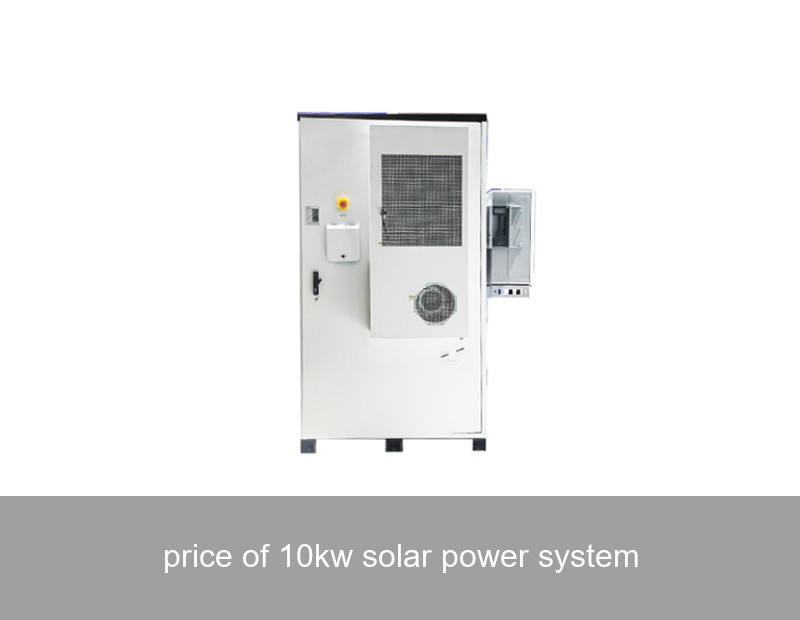
If you're a homeowner in the U.S. or Europe considering a switch to solar, the "price of a 10kW solar power system" is likely one of your first searches. You'll quickly find a wide range of figures, which can be confusing. Is it $15,000, $25,000, or more? The truth is, the sticker price is just the beginning. The real value lies in understanding what goes into that cost, the long-term savings it generates, and the quality of energy independence you're purchasing. A 10kW system is a popular choice for medium-to-large homes with significant energy consumption, offering the potential to cover most, if not all, of your electricity needs. But to make a smart investment, you need to look beyond the initial quote.
Breaking Down the 10kW Solar System Price Tag
Let's demystify the components. A solar installation isn't just panels on your roof. It's an integrated energy system. The total price encompasses hardware, "soft costs," and long-term performance.
- Solar Panels (Modules): Typically 40-50% of the gross cost. Panel efficiency and brand reputation affect price. Higher efficiency panels produce more power in limited space but cost more.
- Inverter(s): The "brain" of your system, converting DC solar power to usable AC. This accounts for 10-15% of the cost. Options include string inverters, microinverters, or hybrid inverters for battery-ready systems.
- Mounting & Racking: The hardware that securely attaches panels to your roof or ground. This is 5-10% of the cost, and its quality is crucial for system longevity.
- Balance of System (BOS): Wiring, conduits, electrical safety components, and monitoring hardware.
- Installation Labor: A significant portion, influenced by your roof's complexity, local labor rates, and the installer's expertise.
- Permits, Fees, & Interconnection: The necessary paperwork and utility fees to get your system legally operational.
In 2024, the average gross price for a 10kW solar system in the United States before incentives is between $20,000 and $30,000. In European markets like Germany or the UK, prices can range from €15,000 to €25,000, varying by country. However, this is before applying generous subsidies.
The Impact of Incentives on Net Cost
This is where the calculation gets exciting. Government incentives dramatically reduce your net investment.
| Region | Key Incentive | Approximate Reduction on a $25,000 System |
|---|---|---|
| United States | Federal Investment Tax Credit (ITC) | $7,500 (30% of total cost) |
| Germany | EEG Feed-in Tariff & VAT Exemption | Varies; significant long-term revenue |
| United Kingdom | Smart Export Guarantee (SEG) & 0% VAT | Reduced upfront cost + ongoing payments |
After the U.S. federal ITC, that $25,000 system effectively drops to $17,500. State and local rebates can lower it further. Always consult with a professional for the latest, location-specific incentives. You can check the latest U.S. ITC details on the U.S. Department of Energy website.
Key Factors Influencing Your Final Cost
Why does your neighbor's quote differ from yours? Several variables are at play:
- Roof Characteristics: A simple, south-facing, composite shingle roof is the most cost-effective. Tile roofs, steep slopes, or multiple roof planes increase labor time and complexity.
- Energy Consumption & Goals: Are you aiming for 100% offset or partial? A detailed analysis of your past utility bills is essential for right-sizing.
- Equipment Tier: Like buying a car, you choose between economy, premium, and performance brands. Premium components often come with better warranties and slightly higher efficiency, impacting long-term value, not just upfront cost.
- Local Market Competition: Installation costs vary by region based on local permitting hurdles, labor rates, and the number of installers.
Image Source: Unsplash - Professional solar panel installation.
Beyond Panels: The Critical Role of the Inverter and Battery Storage
Focusing solely on panel price is a common mistake. The inverter technology dictates how efficiently your system harvests energy, especially during partial shading. More importantly, to truly maximize the value of your 10kW system, consider integrating battery storage. Without a battery, excess solar energy you don't use immediately is sold back to the grid at a low rate. With a battery, you store that energy for use at night or during power outages, dramatically increasing your self-consumption and energy security.
This is where companies like Highjoule redefine the value proposition. As a global leader in advanced energy storage since 2005, Highjoule doesn't just sell batteries; we provide intelligent, integrated systems. Our HES Series Hybrid Energy Systems combine a high-efficiency hybrid inverter with modular lithium iron phosphate (LiFePO4) batteries. This system seamlessly manages your solar production, household consumption, battery charging/discharging, and grid interaction. The result? You use more of your own solar power, protect yourself from rising electricity rates and outages, and achieve a faster return on your solar investment. Adding a Highjoule battery system increases the initial price but multiplies the long-term savings and resilience.
A Real-World Case Study: ROI in Action
Let's look at a concrete example from sunny California, USA. The Johnson family installed a 10.2kW solar system with a 13.5kWh Highjoule HES storage unit in early 2023.
- Total Gross System Cost: $38,500 (solar + storage)
- After Federal ITC (30%): Net cost of ~$26,950
- Previous Annual Electric Bill: $4,200
- Post-Installation Bill: ~$200 (minimal grid connection fees)
- Annual Savings: ~$4,000
This translates to a simple payback period of just under 7 years on their net investment. For the remaining 18+ years of the system's warranted life, that $4,000 annual savings is essentially pure financial gain, not to mention the peace of mind during the region's public safety power shutoffs. Their system is designed to power critical loads for over 24 hours during an outage. You can explore more about calculating solar payback from trusted sources like NREL's solar cost analysis reports.
The Highjoule Advantage: Intelligent Solutions for Maximizing Value
When evaluating the price of a 10kW solar power system, partnering with an experienced technology provider is crucial. Highjoule's expertise spans commercial, industrial, residential, and microgrid applications. For homeowners, our Residential Energy Platform offers:
- Adaptable & Modular Design: Start with a core system and expand battery capacity as your needs or budget grow.
- Advanced Energy Management System (EMS): Our smart software learns your consumption patterns, automatically optimizing for self-consumption or time-of-use rate arbitrage to save you the most money.
- Unmatched Safety & Durability: Using stable LiFePO4 chemistry, our batteries are built for 6,000+ cycles and come with a robust 10-year warranty, ensuring your investment is protected.
- Grid Services Ready: In some markets, systems like ours can participate in virtual power plants, potentially generating additional revenue by supporting the local grid.

Image Source: Unsplash - Modern solar-powered home with an electric vehicle.
How to Choose the Right System for Your Home and Budget
So, how do you navigate this decision? Follow this actionable path:
- Audit & Analyze: Gather 12 months of utility bills. Understand your usage patterns and peak demands.
- Get Multiple Quotes: Seek detailed proposals from 3-4 certified installers. Ensure they specify panel, inverter, and battery models (if included), along with all cash flows and incentives.
- Focus on Lifetime Value: Compare warranties (product & performance), estimated 25-year energy production, and the installer's track record. The cheapest quote often has hidden long-term costs.
- Ask About Storage: Even if you don't install a battery immediately, ensure your system is "storage-ready" with a compatible hybrid inverter. This future-proofs your investment.
- Consult the Experts: Engage with providers who offer holistic system design. A Highjoule-certified partner, for example, will model your home's specific energy profile to design a system that delivers optimal financial and operational returns, not just the lowest upfront price.
The conversation around energy is evolving from simple consumption to intelligent management. With technologies like those from Highjoule, your home can become an active node in a cleaner, more resilient energy network.
Given that energy prices and grid reliability are growing concerns in both Europe and the U.S., what specific energy goal—total bill elimination, backup power, or reducing your carbon footprint—is most important for your family to achieve in the next five years?
 Inquiry
 Online Chat