


Renewable Energy and Environment: A Symbiotic Future Powered by Smart Storage
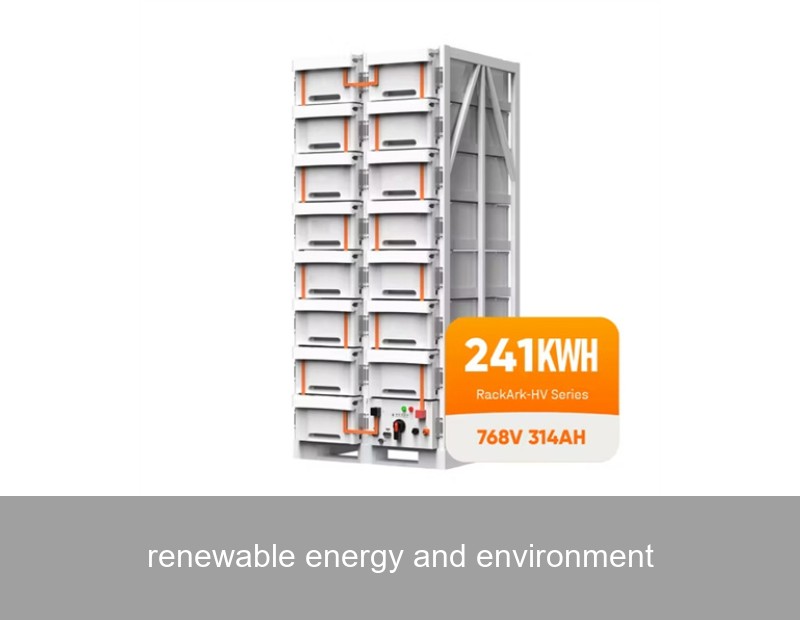
As the world grapples with climate change, the conversation has decisively shifted from *if* we should transition to clean power to *how* we can do it most effectively. The synergy between renewable energy and environment is undeniable: sun and wind generate power without emissions. But there's a catch we've all heard about—the sun doesn't always shine, and the wind doesn't always blow. This intermittency is the final hurdle for a truly resilient, green grid. The solution, and the missing link in this powerful duo, lies not just in generation, but in intelligent storage. This is where advanced battery energy storage systems (BESS) transform renewable energy from a complementary source into a reliable, foundational pillar for our environmental and economic future.
Table of Contents
- The Green Paradox: Clean Power's Intermittency Challenge
- Data Dive: The Environmental Math of Adding Storage
- Case Study: A German Industrial Park's Journey to Energy Independence
- Beyond the Battery: System Intelligence is Key
- Highjoule's Role: Engineering Stability for a Renewable World
- The Future Landscape: What Does Your Energy Ecosystem Look Like?
The Green Paradox: Clean Power's Intermittency Challenge
Let's be honest, we've all seen those graphs showing solar production peaking at midday and wind power being, well, unpredictable. This variability creates a real-world problem for grid operators. On incredibly sunny or windy days, we risk producing too much power, potentially overloading the grid and forcing renewable sources to be curtailed—essentially, wasting clean energy. Conversely, on calm nights, we fall back on fossil-fueled "peaker" plants to meet demand. This seesaw effect undermines the very environmental benefits we seek. It's like having a rainwater harvesting system with no tank; you're reliant on the weather the moment you need a drink. The true potential of renewable energy and environment is unlocked only when we can store the abundance for times of scarcity.

Credit: Photo by American Public Power Association on Unsplash
Data Dive: The Environmental Math of Adding Storage
The numbers speak volumes. According to a report by the International Renewable Energy Agency (IRENA), to limit global warming to 1.5°C, we need over 360 GW of battery storage globally by 2030—a massive increase from today's levels. Why such a staggering figure? Because storage does more than just backup.
- Grid Decarbonization: A study from the National Renewable Energy Laboratory (NREL) found that adding storage can enable an 80-90% renewable penetration on the grid while maintaining reliability, drastically cutting CO2 emissions.
- Reduced Curtailment: In California, grid-scale storage has helped reduce renewable curtailment, saving enough clean energy to power hundreds of thousands of homes annually.
- Lifecycle Impact: Modern lithium-ion batteries, when part of a well-managed system, have a net positive environmental impact over their lifetime, offsetting far more emissions from fossil fuels than are created in their production.
Think of storage as the "time machine" for electrons, moving green energy from moments of surplus to moments of need, maximizing every kilowatt-hour generated.
Case Study: A German Industrial Park's Journey to Energy Independence
Let's make this concrete with a real example from Bavaria, Germany. A mid-sized manufacturing park, with a peak load of 4.5 MW, had ambitious sustainability goals but was frustrated by volatile energy costs and the limitations of their existing rooftop solar array (2.1 MW). Their solar installation often covered 100% of their daytime operations on sunny days, but they exported excess at low feed-in tariffs and purchased expensive grid power at night and on cloudy days.
Their solution was an integrated energy management system centered on a 3 MWh battery storage system. Here’s what changed in one year:
| Metric | Before Storage | After Storage | Change |
|---|---|---|---|
| On-site Renewable Consumption | 35% | 89% | +154% |
| Grid Energy Purchases (Peak Hours) | 1,850 MWh/yr | 610 MWh/yr | -67% |
| Annual CO2e Footprint | 1,840 tonnes | 590 tonnes | -1,250 tonnes |
| Energy Cost Stability | Highly Volatile | Predictable, ~40% lower cost | Major Improvement |
The battery stores the midday solar surplus and discharges it during the evening production shift and early morning hours. This not only solidified their environmental commitment but also turned their energy infrastructure into a strategic asset, protecting them from price spikes. This is the renewable energy and environment partnership in action, delivering both ecological and economic resilience.
Beyond the Battery: System Intelligence is Key
It's crucial to understand that a battery alone is not a magic box. The core value lies in the system intelligence—the software and controls that decide when to charge, when to discharge, and how to optimize for cost, sustainability, or grid services. This is where providers like Highjoule differentiate. Our systems are built with an AI-driven energy management system (EMS) that makes millions of data-driven decisions per day. It considers weather forecasts, electricity tariff structures, facility load patterns, and even grid stability signals to determine the most beneficial and environmentally optimal operation strategy.
The Three Pillars of Intelligent Storage
- Maximize Self-Consumption: Prioritize using your own solar/wind generation, reducing grid dependence.
- Provide Grid Services: In many markets, storage systems can provide frequency regulation or capacity reserves, generating revenue and supporting overall grid stability, which is essential for integrating more renewables.
- Ensure Resilience: During grid outages, the system can island critical loads, keeping operations running on clean, stored power.
Highjoule's Role: Engineering Stability for a Renewable World
Since 2005, Highjoule has been at the forefront of this intelligent storage revolution. We don't just sell batteries; we deliver tailored, turnkey power solutions that make the relationship between renewable energy and environment both seamless and powerful. Our expertise spans the entire spectrum:
- For Commercial & Industrial (C&I) Clients: Our H-Series C&I ESS is designed to reduce demand charges, optimize time-of-use arbitrage, and integrate seamlessly with existing solar PV. It’s the brain behind the brawn, ensuring every stored kilowatt-hour delivers maximum financial and environmental return.
- For Utilities and Microgrids: Our GridMax Utility-Scale BESS provides the stability and flexibility needed for high renewable penetration. It helps defer costly grid upgrades, manages congestion, and delivers essential grid services, acting as a shock absorber for the entire network.
- For Residential Communities: The HomeHub Residential System allows homeowners to maximize their rooftop solar investment, achieve energy independence, and contribute to community resilience efforts.
Our systems are built with longevity, safety, and ultimate recyclability in mind, ensuring the environmental benefits are holistic.

Credit: Photo by ThisisEngineering RAEng on Unsplash
The Future Landscape: What Does Your Energy Ecosystem Look Like?
The path forward is clear. The fusion of renewables and advanced storage is the cornerstone of a decarbonized economy. But the question isn't just about technology adoption; it's about vision. Are you looking to simply reduce your next utility bill, or are you building a resilient, cost-positive, and sustainable energy ecosystem for the next 20 years? The choices made today will define operational and environmental performance for decades.
We invite you to consider: If your current renewable assets could work 50% harder for you, what would that mean for your sustainability targets and your bottom line? The opportunity to deepen the positive impact of renewable energy and environment is here, and it's powered by intelligent storage.
 Inquiry
 Online Chat