


Renewable Energy Management Systems: The Intelligent Brain for Your Sustainable Power
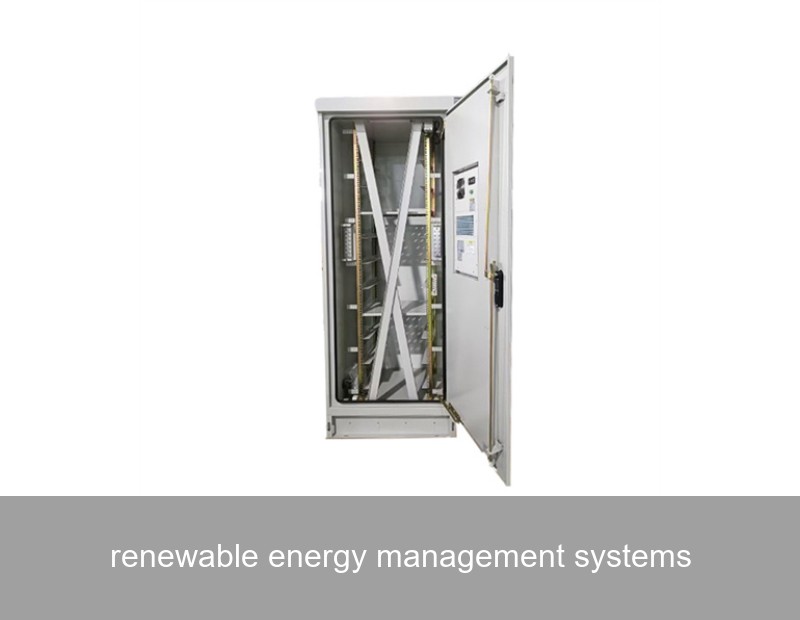
You've made the smart move towards solar panels or a wind turbine. The sun shines, the blades turn, and you feel good about generating clean power. But then comes the cloudy, calm day, or your energy use spikes in the evening. Suddenly, that green energy feels... unreliable. This common experience highlights a critical gap that renewable energy management systems are designed to fill. Think of them not just as a component, but as the intelligent brain of your entire energy ecosystem. For over 18 years, Highjoule has pioneered this very intelligence, developing advanced systems that transform raw renewable generation into reliable, efficient, and cost-effective power for homes, businesses, and communities.
What Are Renewable Energy Management Systems?
A Renewable Energy Management System (REMS) is an integrated suite of hardware and software that monitors, controls, and optimizes the production, storage, and consumption of renewable energy. Its primary goal is simple: maximize your self-consumption of clean energy, minimize your reliance on the grid, and ensure absolute power stability. It's the command center that coordinates between your solar PV arrays, battery storage, grid connection, and even your major appliances or electric vehicle charger.
At its core, a modern REMS does three things:
- Forecasts & Plans: Using weather data and historical usage patterns, it predicts how much energy your solar panels will produce and what your building will likely consume.
- Optimizes in Real-Time: It makes split-second decisions—should we charge the batteries now, power the facility directly, or sell excess back to the grid?
- Protects & Reports: It ensures the entire system operates within safe parameters and provides you with clear insights into your energy independence and savings.
The Modern Energy Challenge: Intermittency & Complexity
The phenomenon is clear to any renewable energy owner: supply and demand are rarely in sync. Solar production peaks at midday, while residential demand often peaks in the early morning and evening. According to the International Renewable Energy Agency (IRENA), the variable nature of sources like solar and wind is the foremost technical challenge to achieving high renewable penetration in grids worldwide.
Let's look at the data. A typical 30 kW commercial solar array in Southern Europe might produce 120 kWh on a sunny day. However, if the facility only uses 40 kWh during peak production hours, 80 kWh is potentially wasted or sold at low feed-in tariffs. Without management, you're missing out on significant value and failing to maximize your return on investment.
This is where the logic ladder ascends from simple generation to intelligent management. Adding a battery is the first step, but without a sophisticated system to control it, the battery may charge from the grid when rates are high or discharge at the wrong time. A true REMS provides the necessary intelligence to climb that ladder, ensuring every kilowatt-hour is used strategically.
How a Smart Renewable Energy Management System Works
Imagine your energy system as a symphony orchestra. The solar panels, batteries, and grid are the instruments. The renewable energy management system is the conductor, ensuring harmony. Here’s a breakdown of its sections:
| System Component | Role | Highjoule's Intelligent Solution |
|---|---|---|
| Sensors & Meters | Constantly measures energy flow (production, consumption, grid import/export). | High-precision metering integrated into our H-Stack Commercial ESS for granular data collection. |
| Control Unit (The Brain) | Processes data, runs algorithms, and sends commands to connected devices. | Highjoule's Neuron OS™ platform, using predictive analytics to make optimal decisions 24/7. |
| Actuators & Inverters | Executes commands: routes power, charges/discharges batteries, manages loads. | Our bi-directional inverters and smart relays respond within milliseconds to the Neuron OS™ commands. |
| User Interface | Provides visibility and control via dashboards, apps, or web portals. | The Highjoule Pulse™ app offers real-time insights, savings reports, and customizable modes (e.g., "Storm Guard" for backup). |
For example, on a Tuesday morning, the Highjoule system forecasts high solar generation and a mid-afternoon utility rate peak. It will prioritize using solar to power operations, then divert excess to charge the battery. As the rate peak approaches, it will strategically discharge the battery to avoid drawing expensive grid power, saving the owner maximum money. This seamless operation is the hallmark of a mature renewable energy management system.

Image Source: Unsplash - Representative image of commercial solar integration.
Case Study: Boosting Autonomy at a German Manufacturing Plant
Let's ground this in reality. A mid-sized automotive parts manufacturer in Bavaria, Germany, faced volatile energy costs and strict carbon reduction targets. They had a 500 kW rooftop solar array, but their self-consumption rate was only 35%. The rest was fed into the grid at diminishing returns.
Their goal was to increase energy independence and stabilize operating expenses. Highjoule implemented a turnkey solution featuring:
- A 400 kWh H-Stack Containerized Battery System
- The central Neuron OS™ energy management platform
- Integration with their existing solar inverters and production machinery.
The results, after 12 months of operation, were compelling:
- Self-Consumption Rate: Increased from 35% to 82%.
- Grid Energy Costs: Reduced by 68% during peak pricing periods.
- Backup Power: The system provides critical process backup for up to 4 hours, preventing costly production halts.
- ROI: Projected payback period of just under 5 years, factoring in German incentive programs and avoided costs.
This case demonstrates that a sophisticated renewable energy management system isn't an expense; it's the catalyst that unlocks the full financial and operational potential of renewable assets.
Choosing the Right System for Your Needs
Not all management systems are created equal. For a residential customer, the priority might be simplicity, reliability during outages, and a user-friendly app. For an industrial facility, it's about scalability, integration with industrial automation (like SCADA), and participation in grid-balancing programs.
Highjoule's approach is modular and scalable. For homeowners, our ResiCore system offers plug-and-play intelligence for solar + storage setups. For commercial and industrial clients, the H-Stack series, governed by Neuron OS™, can manage multiple generation sources, vast storage fleets, and complex load profiles. The key is choosing a provider, like Highjoule, with a proven track record across sectors and the software expertise to make the hardware work together intelligently.
The Future: AI, VPPs, and Proactive Grid Citizenship
The next evolution of renewable energy management systems is already here, moving from reactive optimization to proactive grid interaction. With artificial intelligence and machine learning, systems can learn usage patterns with incredible accuracy and even predict equipment maintenance needs.
A significant trend in Europe and the U.S. is the Virtual Power Plant (VPP). In a VPP, a network of distributed energy resources (like thousands of Highjoule-equipped homes and businesses) is aggregated to act as a single, dispatchable power plant. The REMS is the enabler. During times of high grid stress, the utility can send a signal, and participating systems can collectively discharge stored energy to support the grid, earning revenue for the owners. This transforms passive consumers into active "prosumers," contributing to overall grid stability—a win-win scenario facilitated by advanced management intelligence.

Image Source: Unsplash - Conceptual image of a connected smart grid and distributed energy.
As we look at the energy landscape, one question becomes central: Is your renewable energy setup simply generating power, or is it intelligently managing an asset to deliver resilience, savings, and grid support? The difference lies in the brain you choose for it. What specific energy challenge—be it unpredictable bills, sustainability targets, or the need for backup power—is motivating you to look for a smarter energy solution today?
 Inquiry
 Online Chat