


Choosing the Right Renewable Energy Partners for a Sustainable Future
You've decided to go green. Maybe you're a business owner looking to cut energy costs and boost your ESG profile, or a homeowner wanting energy independence. The goal is clear: harness the power of the sun and wind. But here's the reality many face—installing solar panels or a wind turbine is just the first step. The true challenge lies in managing that intermittent power effectively, ensuring it's there when you need it most. This gap between generation and reliable consumption is where the choice of your renewable energy partners becomes critical. It's not just about the hardware; it's about the long-term partnership for intelligent energy management.
Table of Contents
The Core Challenge: Intermittency Meets Demand
Let's talk numbers. In 2023, renewable sources like wind and solar accounted for a record 30% of global electricity generation. That's phenomenal growth. Yet, the sun sets, and the wind calms, while our factories, homes, and cities need power 24/7. This mismatch can lead to wasted energy (curtailment) or a continued reliance on the fossil-fueled grid. The solution isn't simply more panels; it's smarter integration. Effective energy storage and management systems are the linchpin, transforming variable renewable generation into a firm, dispatchable resource. This is the complex problem your renewable energy partner must solve.

Image Source: Unsplash - Illustrating the scale of renewable generation.
Beyond the Panels: What Makes a True Renewable Energy Partner?
A vendor sells you equipment. A renewable energy partner provides a holistic, long-term solution for energy resilience. Here’s what to look for:
- End-to-End System Expertise: Look beyond component suppliers. A true partner understands the entire ecosystem—from DC strings and PV inverters to the battery chemistry, power conversion system (PCS), and, most importantly, the energy management software that ties it all together.
- Technology Agnosticism (When it Matters): The best partners offer unbiased advice. They should recommend the battery chemistry (like LFP for safety and cycle life) and system architecture that fits your specific load profile and goals, not just what they have on the shelf.
- Proven Track Record & Local Support: Can they provide verifiable case studies in your region? Do they have local service engineers and a robust remote monitoring platform? Your energy system is critical infrastructure; support cannot be an afterthought.
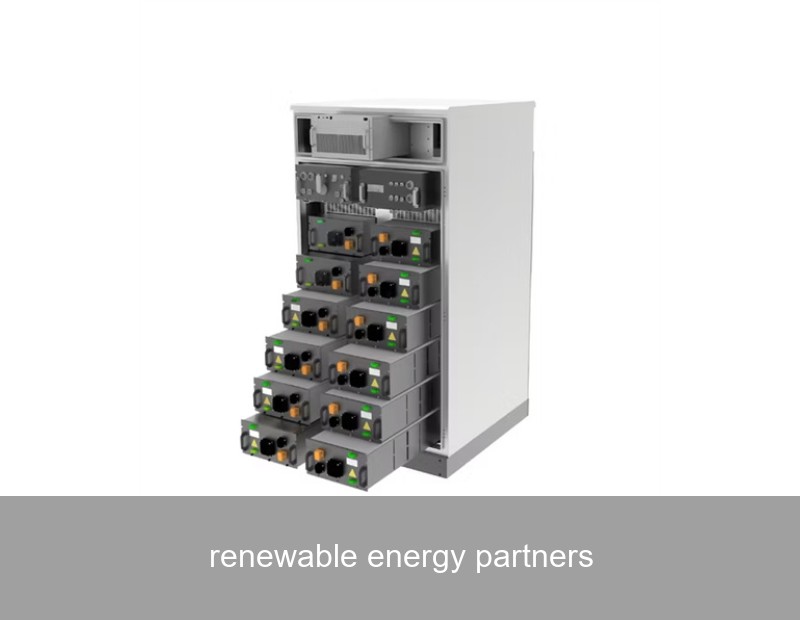
This philosophy is core to Highjoule's approach. Since 2005, we have evolved from a component specialist into a global provider of integrated, intelligent Battery Energy Storage Systems (BESS). We partner with businesses, industries, and communities, not just by delivering our containerized Megapack BESS for utility-scale projects or our modular CubeStack for commercial and industrial sites, but by providing the brain: our Helios Energy Management Platform. This AI-driven software optimizes every kilowatt-hour, ensuring maximum return on your renewable investment.
Case Study: A German Manufacturing Plant's Journey to Resilience
Let's make this concrete. Consider a mid-sized automotive parts manufacturer in Bavaria. They had a 1.2 MW rooftop solar array but were still grid-dependent, especially during night shifts and peak pricing hours. Their goal: increase self-consumption, reduce peak demand charges, and secure backup power for critical processes.
They partnered with Highjoule and a local solar installer. Here’s the data-driven outcome after 18 months of operation:
| Metric | Before Highjoule BESS | After Highjoule BESS Integration | Change |
|---|---|---|---|
| Solar Self-Consumption Rate | 35% | 89% | +154% |
| Peak Grid Demand (Monthly Avg.) | 950 kW | 610 kW | -36% |
| Annual Energy Costs | €285,000 | €178,000 | €107,000 saved |
| Grid Backup During Outages | None | 8 hours for critical loads | Full resilience |
The solution centered on a 500 kW / 1 MWh Highjoule CubeStack system, seamlessly integrated with their existing solar and controlled by the Helios platform. Helios performs predictive energy arbitrage, learning consumption patterns and weather forecasts to decide when to store solar excess, when to discharge to shave peaks, and when to accept a small grid charge for later, more valuable use. The plant manager noted, "It's not just a battery; it's an automated energy economist on our site."
The Technology Differentiator: AI-Driven Energy Management
This case highlights the irreplaceable role of advanced software. The hardware—battery modules, inverters, safety systems—must be top-tier, reliable, and safe (adhering to strict standards like UL 9540 in the US). But the intelligence layer is what unlocks the value.
Think of it this way: a basic storage system is like a water tank—it fills and empties. An intelligent system, like those managed by Highjoule's Helios, is like a smart water network for your city. It predicts rainfall (solar generation), understands consumption patterns (production schedules), knows when water is expensive (peak utility rates), and automatically directs flow to where it's needed most, ensuring not a drop is wasted. This level of optimization is what separates basic storage from a true grid-interactive asset. For deeper insights into grid integration challenges, the National Renewable Energy Laboratory (NREL) provides excellent resources.
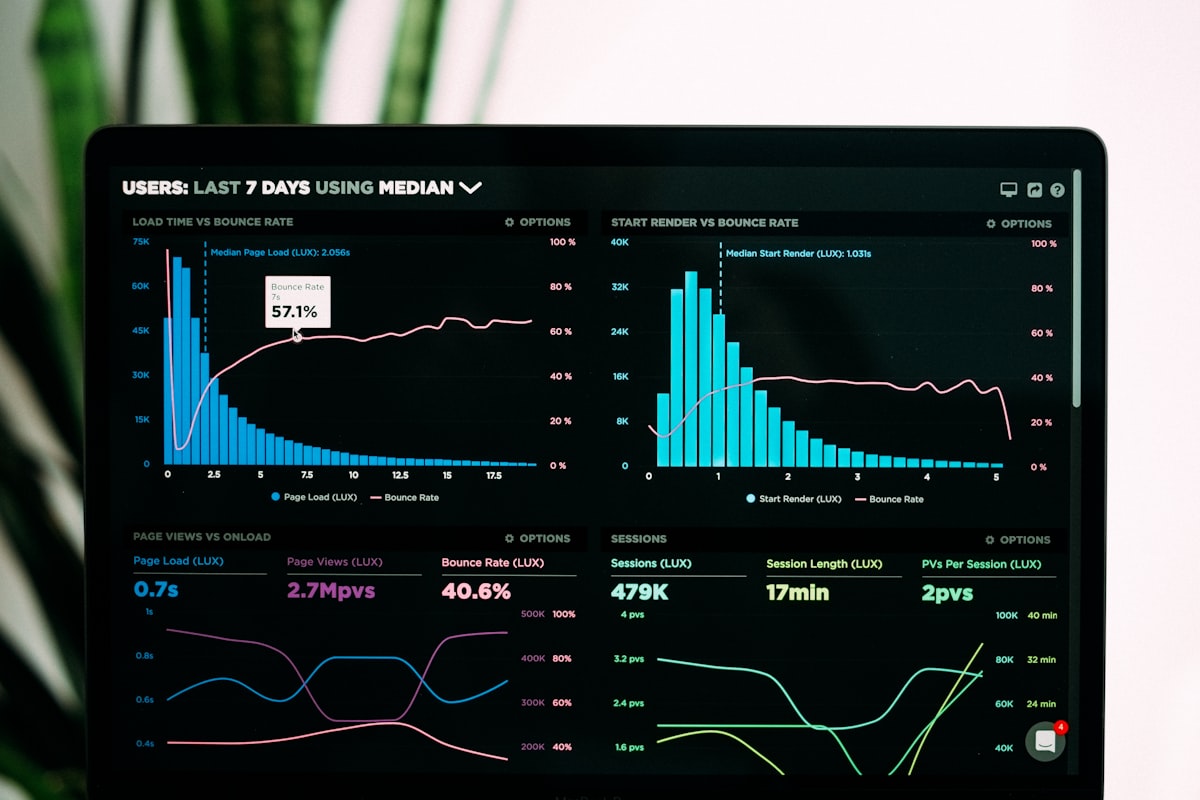
Image Source: Unsplash - Representing advanced energy management control systems.
Making the Choice: Key Questions for Your Potential Partner
As you evaluate potential renewable energy partners, move the conversation beyond price-per-kWh. Here are essential questions to ask:
- System Intelligence: "Can your system perform predictive energy arbitrage and peak shaving automatically, based on my real-time data and utility tariffs?"
- Future-Proofing: "How does your platform accommodate adding more solar, EVs, or participating in future grid service programs (like VPPs)?"
- Safety & Compliance: "What are your battery's thermal runaway prevention mechanisms, and can you provide full certification for my local jurisdiction?"
- Long-Term Value: "What is your guaranteed system performance (cycle life, throughput) over 10 years, and how is your remote monitoring and proactive maintenance structured?"
At Highjoule, we welcome these questions. Our partnerships are built on transparent performance modeling, comprehensive warranties, and a co-creation approach. We believe the right partnership turns your energy infrastructure from a cost center into a strategic, revenue-protecting asset.
Your Energy Ecosystem Awaits
The transition to renewables is a journey, and the path is smoother with the right guide. It's about finding a collaborator who provides not just a product, but the expertise and technology to make your sustainable vision a resilient, economical reality. So, as you look at your renewable project plans, what will be the first capability you demand from your energy partner to ensure your investment pays dividends for decades to come?
 Inquiry
 Online Chat