


Residential Backup Generator: Your Guide to Modern, Clean Home Energy Security
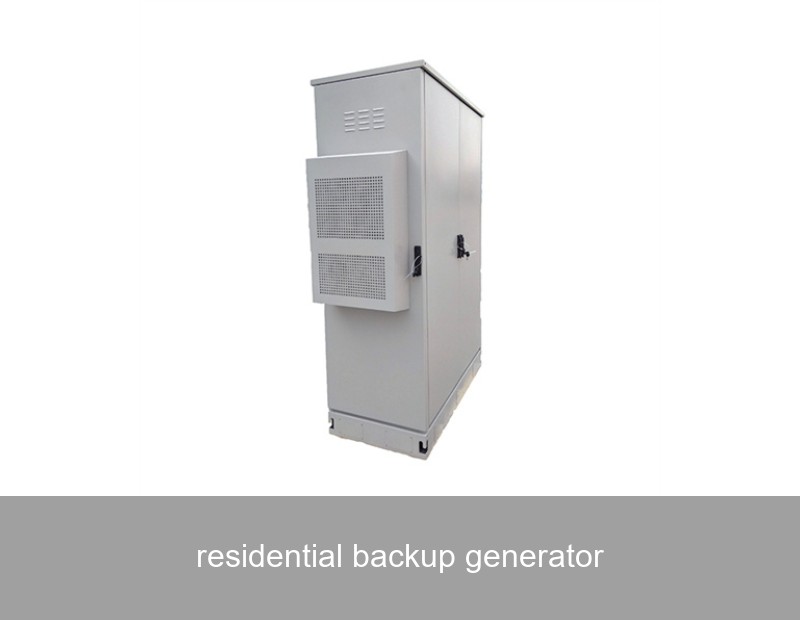
Imagine this: a fierce storm rolls through your neighborhood. The lights flicker once, twice, and then go out completely. Your refrigerator hums to silence, the Wi-Fi is gone, and the quiet is unsettling. For decades, the immediate solution was a residential backup generator—often a loud, fossil-fuel-guzzling machine that kicks in with a roar. But what if your backup power could be silent, clean, and smart enough to manage your home's energy 24/7? The evolution of home energy security is here, moving beyond mere backup to intelligent energy resilience.
Table of Contents
- The Shift: From Noisy Generators to Silent Home Energy Systems
- The Data Reality: Why Grid Outages Are a Growing Concern
- Case Study: A Real-World Transition in California
- The Modern Solution: Battery Energy Storage Systems (BESS)
- How Highjoule Powers the Future of Home Energy
- Making the Choice: Key Considerations for Your Home
The Shift: From Noisy Generators to Silent Home Energy Systems
Traditional gasoline or propane-powered residential backup generators have served a crucial purpose. They provide power during an outage, but they come with significant trade-offs: noise pollution, ongoing fuel costs and storage, regular maintenance, and carbon emissions. They are, by design, a reactive solution—only active when the grid fails.
Today, homeowners, particularly in markets like North America and Europe, are seeking a proactive and integrated approach. The goal isn't just emergency power; it's energy independence. This is driven by the desire to pair rooftop solar with storage, to reduce carbon footprints, and to manage rising electricity costs intelligently. The modern residential backup generator is no longer just a generator; it's a home battery system.
The Data Reality: Why Grid Outages Are a Growing Concern
The need for reliable backup power isn't theoretical. Data paints a clear picture of growing grid instability:
- In the U.S., the average duration of a power outage increased from 3.5 hours in 2013 to over 7 hours in 2020, with major events driven by severe weather (U.S. Energy Information Administration).
- The European Union has identified climate change-induced extreme weather as a key threat to energy infrastructure, with increasing frequency of storms and heatwaves affecting supply.
- For homeowners, a single prolonged outage can mean spoiled food, discomfort, and in regions with extreme temperatures, a genuine safety risk.
This vulnerability is precisely why the conversation has shifted from "if" you need backup power to "what kind" of backup power system best fits a modern, sustainable lifestyle.
Case Study: A Real-World Transition in California
Let's look at a concrete example from Sonoma County, California, an area prone to Public Safety Power Shutoffs (PSPS) to prevent wildfires.
The Smith Family's Challenge: A family with a 5kW rooftop solar system. During grid outages, their solar panels would automatically shut off for safety (a process called "anti-islanding"), leaving them without power even on sunny days. Their old propane generator was unreliable and costly to run.
The Solution & Implementation: In 2022, they replaced their traditional generator with a 13.5 kWh lithium iron phosphate (LFP) battery storage system, integrated with their existing solar panels. The system was designed to provide critical load coverage for over 24 hours on a single charge.
| Metric | Old Propane Generator | New Battery System |
|---|---|---|
| Outage Response Time | 30-60 seconds | 20 milliseconds (seamless) |
| Operating Noise | >65 dB (lawnmower level) | 0 dB (silent) |
| Fuel/Cost per Outage Event | $40-$80 in propane | $0 (solar-powered) |
| CO2 Emissions | ~10 kg per event | 0 kg |
| Additional Benefit | Backup only | Daily solar self-consumption, reducing electricity bills by ~70% |

Image Source: Unsplash - Representative image of a modern home energy installation.
The Smiths now have peace of mind. Their lights stay on, their refrigerator runs, and their system automatically manages energy flow between solar, battery, and home loads, ensuring optimal efficiency every day, not just during outages.
The Modern Solution: Battery Energy Storage Systems (BESS)
This case study highlights the core of the modern residential backup generator: the Battery Energy Storage System. Here’s how it works and why it’s superior:
How a Home BESS Works
1. Integration: The system is installed alongside your home's main electrical panel and, if present, solar inverters.
2. Daily Cycling: It stores excess solar energy produced during the day for use at night, maximizing your self-consumption of renewable energy.
3. Instant Backup: Upon a grid failure, an automatic transfer switch isolates the home (creating a "microgrid"), and the battery instantly takes over powering critical circuits.
4. Recharging: Once the grid returns, or if the sun is shining, the system automatically recharges itself, ready for the next event.
Key Advantages Over Traditional Generators
- Silent & Zero-Emission Operation: No fumes, no noise. Can be installed indoors or outdoors.
- Instantaneous Power: No startup delay; essential for sensitive electronics.
- Low Operating Cost: "Fueled" by the sun or off-peak grid electricity, drastically reducing cost per cycle.
- Multifunctional Value: Provides backup AND daily bill savings through smart energy management.
- Minimal Maintenance: No oil changes, spark plugs, or fuel stabilizers required.
How Highjoule Powers the Future of Home Energy
As a global leader in advanced energy storage since 2005, Highjoule is at the forefront of this transformation. We don't just see a battery; we see an intelligent energy hub for the home.
Our Resilience Series home storage solutions are engineered for the demands of the European and North American markets. They are built with industry-leading safe LFP chemistry, scalable from 10 kWh to over 30 kWh to meet any home's needs, and feature an integrated energy management system (EMS).
- All-Weather Reliability: Our systems are tested for extreme temperatures, ensuring performance during a heatwave or a blizzard.
- Grid-Smart Software: Our platform can be configured to participate in utility demand response programs (where available), allowing your system to support the grid and earn you credits.
- Seamless Integration: We ensure our systems work harmoniously with major solar inverter brands, providing a turnkey solution for installers and a hassle-free experience for homeowners.

Image Source: Unsplash - Representative image of a sleek, wall-mounted battery unit.
For homeowners, choosing Highjoule means partnering with a provider with nearly two decades of expertise in making energy storage intelligent, efficient, and sustainable—not just for backup, but for total energy control.
Making the Choice: Key Considerations for Your Home
When evaluating your home's energy security, ask these questions:
- What are your critical loads? (Refrigeration, heating/cooling, medical equipment, lighting, internet.) This determines the required system size.
- Do you have or plan to get solar? A battery storage system unlocks the full potential of your solar investment.
- What is your local climate and grid reliability? This influences battery chemistry choice (LFP is excellent for wide temperature ranges) and needed capacity.
- Are there local incentives? Many regions, like those in the EU through various national schemes or the U.S. via the Inflation Reduction Act (IRA), offer tax credits or rebates for battery storage installations.
The Final Verdict
The era of the loud, single-purpose residential backup generator is fading. While it may still have niche applications, the future belongs to intelligent battery storage systems. They represent a dual investment: in immediate resilience against outages and in long-term energy cost management and sustainability.
It's a shift from viewing backup power as an emergency expense to viewing your home's energy system as a smart, value-generating asset. As grid challenges evolve and the desire for clean energy grows, this technology is becoming the new standard for prepared and proactive homeowners.
Ready to explore what your home's intelligent energy ecosystem could look like? What's the first load you would secure to gain true peace of mind during the next storm?
 Inquiry
 Online Chat