


Unlocking Energy Independence: A Deep Dive into the Sistema Hibrido Eolico Solar
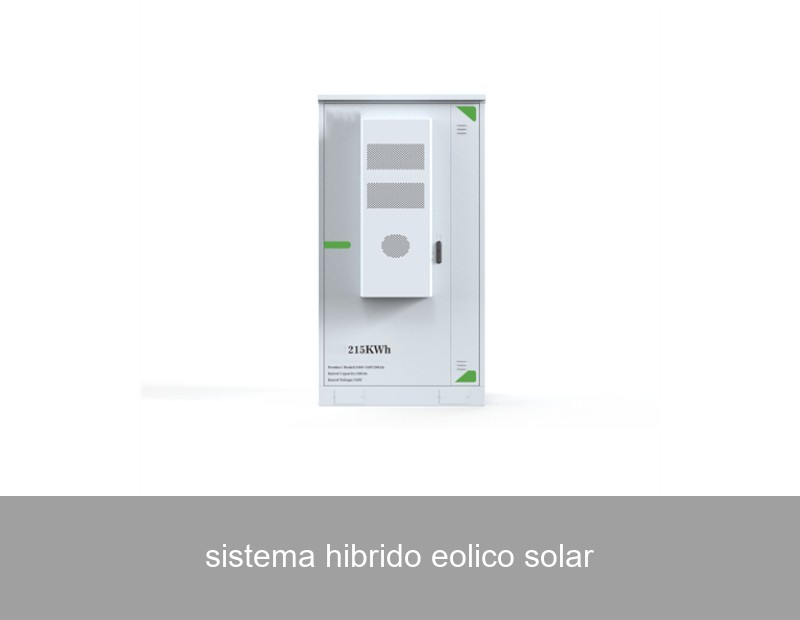
Have you ever looked at a windy, sunny field and thought, "What a perfect spot for a power plant"? If so, you're already thinking like a modern energy strategist. The challenge with renewable energy has often been its intermittency—the sun doesn't always shine, and the wind doesn't always blow. But what if you could combine them into a single, resilient power system? Enter the sistema hibrido eolico solar (hybrid wind-solar system), a powerful duo that is redefining reliability and efficiency for off-grid and grid-supported applications across Europe and the United States.
Table of Contents
What is a Hybrid Wind-Solar System?
A sistema hibrido eolico solar integrates photovoltaic (PV) panels and wind turbines, coupling them with a sophisticated energy storage system and smart management controls. Think of it as a balanced energy diet: solar panels produce abundant energy during peak daylight hours, while wind turbines can generate power day and night, often complementing solar production during evenings, winter, and cloudy periods. This synergy creates a much more stable and consistent energy output than either source could achieve alone.
The Challenge: Intermittency & Grid Strain
The global push towards decarbonization has led to massive deployments of solar and wind farms. However, this rapid growth exposes a critical vulnerability. A 2023 report by the International Energy Agency (IEA) highlighted that grid integration and management of variable renewables is now the top priority for network operators. During periods of low generation, grids still rely on fossil-fueled peaker plants, while during surplus, valuable renewable energy is curtailed—wasted. This seesaw effect is both economically and environmentally costly.

Image Source: Unsplash - Showing complementary wind and solar generation.
The Data Speaks: Why Hybridization Works
The power of a hybrid system lies in the complementary generation profiles. Let's look at the typical capacity factor—the ratio of actual energy output to maximum possible output:
| Technology | Typical Capacity Factor (EU & US) | Peak Generation Period |
|---|---|---|
| Solar PV | 10-25% | Midday, Summer |
| Onshore Wind | 25-45% | Evening/Night, Autumn/Winter |
| Hybrid (Solar+Wind) | 40-70%+ | Broad, Year-Round |
By combining both, you effectively "flatten" the generation curve. A study from the National Renewable Energy Laboratory (NREL) found that co-located wind and solar plants can reduce variability by up to 40% compared to single-source plants, significantly lowering grid integration costs.
A Real-World Case Study: The Portuguese Microgrid
Let's move from theory to practice. A compelling example is a remote agricultural and research facility in the Alentejo region of Portugal. This site, disconnected from the main grid, relied on expensive and polluting diesel generators.
The Problem: High fuel costs, CO2 emissions, and logistical challenges for fuel delivery. Solar alone would require massive and expensive battery storage to cover nighttime and winter loads.
The Hybrid Solution: Engineers deployed a sistema hibrido eolico solar consisting of:
- 80 kW of solar PV
- 2 x 20 kW wind turbines
- A Highjoule HPS-200 containerized battery energy storage system (BESS) with 400 kWh capacity
- Highjoule's proprietary GridSync IQ energy management system (EMS)
The Results (18-month operation):
- Diesel fuel consumption reduced by 94%, now used only for extreme backup.
- Levelized Cost of Energy (LCOE) fell by over 60%.
- The GridSync IQ EMS optimally dispatches power, prioritizing renewable generation, managing battery charge/discharge cycles to extend lifespan, and seamlessly starting the generator only when absolutely necessary.
- The system achieved a 99.2% renewable fraction over a full year.

Image Source: Unsplash - Example of a containerized battery storage system.
Highjoule's Intelligent Role in Hybrid Systems
At Highjoule, we've seen that the true magic of a reliable sistema hibrido eolico solar isn't just in the panels and turbines—it's in the brain that orchestrates them. Our expertise lies in providing the core intelligence and storage that make hybridization viable and profitable.
Our GridSync IQ EMS is the central nervous system. It uses advanced forecasting algorithms (for weather and load) and real-time analytics to make millisecond-by-millisecond decisions: Should we store the excess wind power? Can we reduce solar curtailment by charging the batteries? Is it time to power the critical load directly?
Paired with our HPS Series battery storage solutions, which feature industry-leading safety (multi-level protection systems) and longevity (advanced thermal management and degradation forecasting), we ensure the captured energy is available when needed. For commercial and industrial clients, this isn't just about backup power; it's about demand charge management, arbitrage, and achieving stringent sustainability targets.
Key Components of a Successful Hybrid System
Building a robust sistema hibrido requires careful integration of several key elements:
- Complementary Resource Assessment: A detailed site analysis of solar irradiance and wind patterns is non-negotiable.
- Advanced Power Conversion: Bi-directional inverters that can handle inputs from both DC (solar) and AC (wind) sources.
- Intelligent Energy Storage: High-cycle life, safe batteries (like Highjoule's lithium iron phosphate systems) sized to balance days of low generation.
- Predictive Energy Management: The software platform that optimizes for cost, resilience, or carbon footprint.
- Robust Grid Interface: For grid-connected systems, hardware that ensures strict grid code compliance and can island safely during outages.
The Future of Hybrid Renewable Energy
The trend is accelerating. In the US, the Inflation Reduction Act (IRA) provides enhanced tax credits for projects with energy storage, making sistema hibrido eolico solar investments more attractive than ever. In Europe, the push for energy sovereignty post-2022 is driving interest in decentralized, resilient microgrids for communities, industrial parks, and critical infrastructure.
The next evolution is the addition of green hydrogen as a seasonal storage vector, creating a triple-hybrid system. Highjoule is actively researching these frontiers, ensuring our storage and control platforms are future-proof.

Image Source: Unsplash - Modern energy management control room.
As you contemplate your organization's energy resilience and sustainability roadmap, consider this: Is your current energy strategy prepared to handle the price volatility of traditional fuels and the increasing frequency of grid disruptions? What would a 95% reduction in your dependency on the grid or diesel mean for your operational security and bottom line?
 Inquiry
 Online Chat