


Grid-Connected Photovoltaic Systems: Powering a Sustainable Future
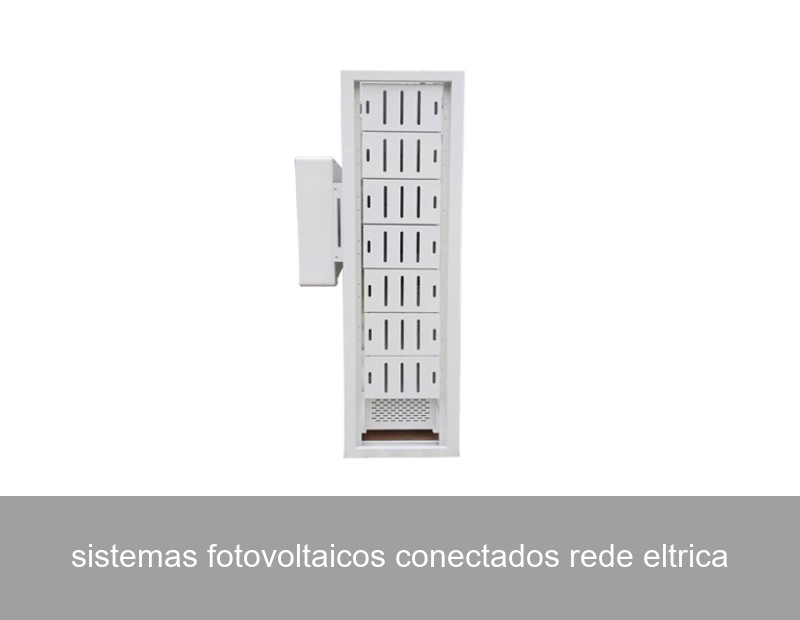
As energy prices fluctuate and climate concerns grow, more homeowners and businesses across Europe and the US are looking to take control of their power. The solution shining brightly on rooftops everywhere? Grid-connected photovoltaic systems (or sistemas fotovoltaicos conectados à rede elétrica). These intelligent systems allow you to generate clean solar energy while remaining seamlessly connected to the utility grid. But how do they truly work, and what does it take to maximize their benefit? As a product technology expert at Highjoule, a global leader in advanced energy storage since 2005, I'll guide you through the ins and outs of these systems and how the right technology partnership can unlock their full potential.
Table of Contents
- What Are Grid-Connected PV Systems?
- The Key Components: More Than Just Panels
- The Economic Case: Data Behind the Decision
- A Real-World Case Study: A German Bakery's Success
- The Critical Role of Storage and Smart Management
- Choosing the Right Technology Partner
What Are Grid-Connected PV Systems?
Let's start with the basics. A grid-connected PV system is a solar power installation that generates electricity from sunlight and feeds any excess power directly into the public utility grid. Unlike off-grid systems, you're not isolated. Think of it as a two-way street: you draw power from the grid when your panels aren't producing enough (like at night), and you send power back when you have a surplus (a sunny afternoon). This bi-directional flow is managed by a crucial device called a grid-tie inverter. The beauty of this setup is its simplicity and efficiency; you become both a consumer and a producer, often referred to as a "prosumer."
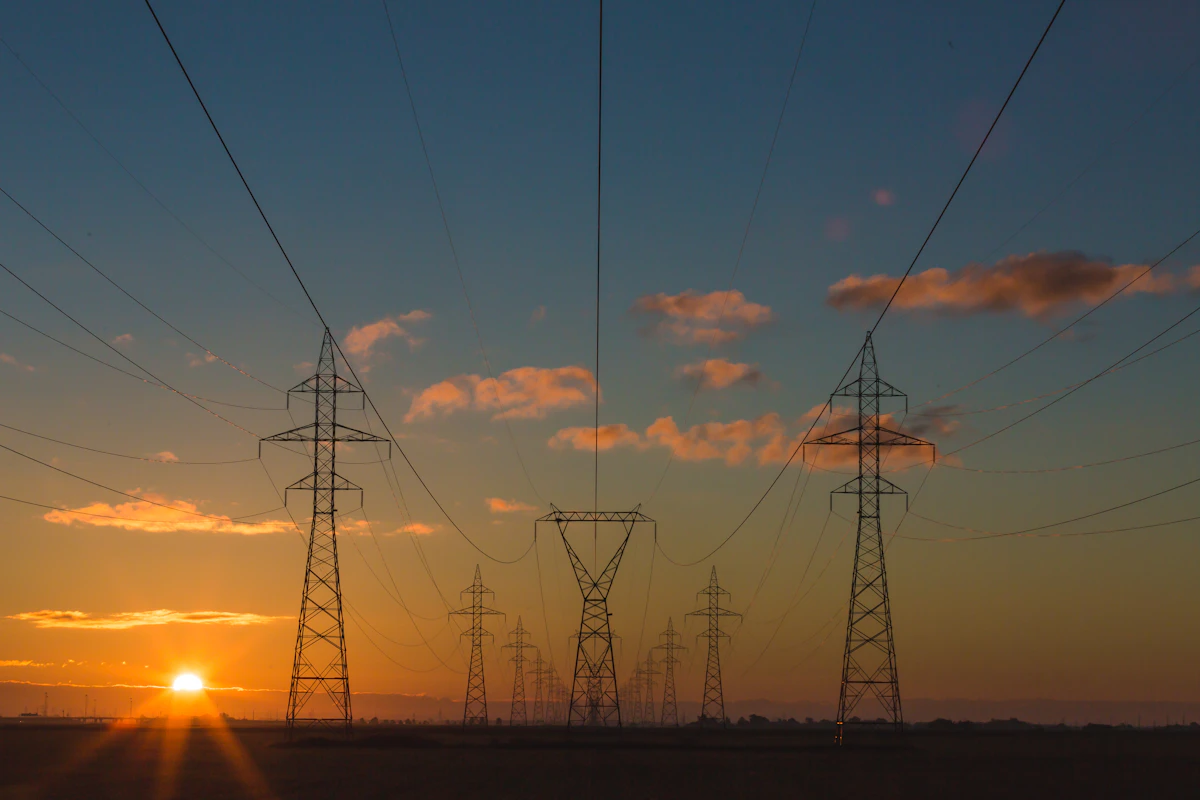
Image Source: Unsplash - Visual representation of a grid-connected residential PV system.
The Key Components: More Than Just Panels
While solar panels capture the spotlight, a reliable system is an orchestra of components working in harmony.
- Photovoltaic (PV) Modules: The panels themselves, converting sunlight into direct current (DC) electricity.
- Grid-Tie Inverter: The brain of the operation. It converts the DC electricity from the panels into the alternating current (AC) used by your home and the grid. It also synchronizes with the grid's frequency and voltage for safe export.
- Mounting System & Cabling: The physical backbone ensuring safety and durability.
- Dual-Direction Meter: Installed by your utility company, it measures both the energy you import from the grid and the surplus you export.
- Optional: Battery Storage System: This is where modern systems leap ahead. Adding a battery, like Highjoule's H-Cell Commercial Series, allows you to store your excess solar energy for use later, rather than sending it all to the grid immediately. This dramatically increases your self-consumption and energy independence.
The Economic Case: Data Behind the Decision
The initial question is often about cost versus payoff. Let's look at the data. According to the International Energy Agency (IEA), solar PV is now the cheapest source of electricity in history for many regions. In the US, the National Renewable Energy Laboratory (NREL) reports continued declines in installed costs. For homeowners, this translates to payback periods often between 6-10 years, depending on local incentives, electricity rates, and system size.
The financial model is twofold: bill savings from using your own solar power, and revenue/credit from exporting surplus. Schemes like net metering (in many US states) or feed-in tariffs (in some EU countries) credit you for the power you export. However, a key trend, especially in Europe, is the shift towards self-consumption optimization. Why? Because the value of the electricity you use yourself is typically much higher than the tariff you get for exporting it. This is the fundamental driver for integrating battery storage.
A Real-World Case Study: A German Bakery's Success
Let's make this concrete. Consider a family-run bakery in Bavaria, Germany. Facing rising energy costs and a commitment to sustainability, they installed a 50 kWp grid-connected PV system on their large roof in 2021. Initially, they exported most of their midday solar surplus at a modest feed-in tariff, while still buying expensive power in the early mornings and evenings for ovens and lighting.
In 2023, they decided to upgrade. They integrated a Highjoule H-Cell 40 kWh battery storage system and our Energy Management System (EMS). The results were transformative:
| Metric | Before Storage (2022) | After Storage (2023) |
|---|---|---|
| Self-Consumption Rate | 35% | 85% |
| Grid Import (kWh/year) | 42,000 | 11,000 |
| Annual Energy Cost | €18,500 | €5,200 |
The system now intelligently stores the solar surplus from midday to power the bakery's evening operations and pre-heat ovens before sunrise. Their grid dependence dropped by over 70%, protecting them from price volatility and significantly reducing their carbon footprint. This is the power of a smart, grid-connected system with storage.
The Critical Role of Storage and Smart Management
The bakery's story highlights a universal truth: to truly maximize the value of a sistema fotovoltaico conectado à rede, storage is becoming essential. A battery transforms a one-way export system into a resilient personal energy asset. This is core to Highjoule's mission. Our battery storage solutions, like the H-Cell Residential and Commercial Series, are designed with advanced lithium-iron-phosphate (LiFePO4) chemistry for safety and longevity.
But hardware alone isn't enough. Our integrated EMS platform acts as the system's nervous system. It doesn't just store energy; it intelligently decides when to store, when to use, and when to export based on weather forecasts, consumption patterns, and even variable electricity tariffs. For our commercial and microgrid clients, this level of control is a game-changer for operational cost management.

Image Source: Unsplash - Example of a commercial-scale battery storage unit.
Choosing the Right Technology Partner
Investing in a grid-connected PV system is a long-term decision. The choice of technology partner is critical. You need a provider with deep expertise not just in solar, but in the complete ecosystem of generation, storage, and smart management. Since 2005, Highjoule has been at the forefront of this convergence. We offer end-to-end solutions—from initial consultancy and system design using our high-efficiency components to installation support and long-term monitoring via our cloud-based platform.
Our systems are designed for the specific demands of European and North American grids, with robust certifications and safety protocols. Whether it's a residential home in California seeking backup power, a factory in Italy aiming for carbon neutrality, or a community microgrid in Scandinavia, we provide the intelligent hardware and software to make grid-connected solar work harder for you.
Ready to Transform Your Solar Investment?
Your journey towards greater energy independence and sustainability is unique. What specific challenge is holding your home or business back from achieving its full energy potential—is it the structure of your current utility bill, a desire for backup resilience, or a clear sustainability target? Let's explore how a smarter grid-connected system can be your solution.
 Inquiry
 Online Chat