


Smart Grids and Sustainable Energy: Powering a Resilient Future
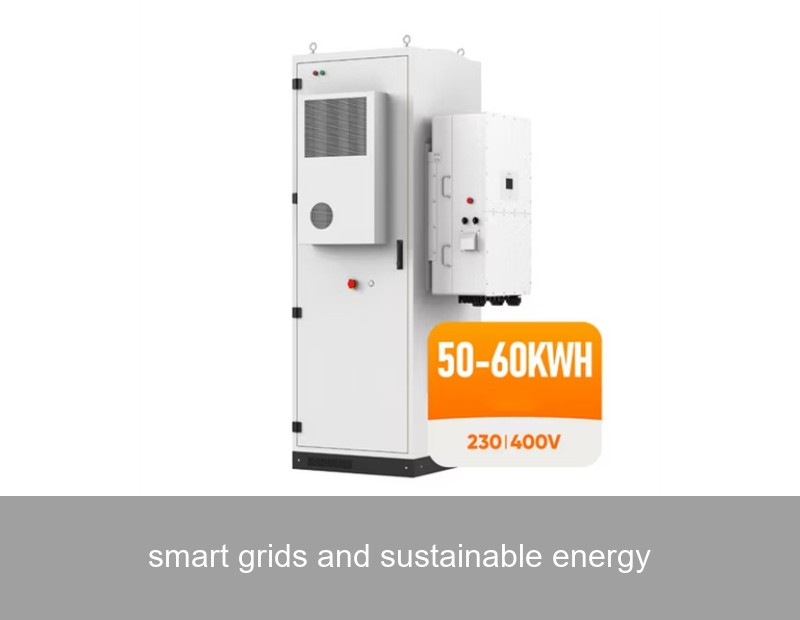
Table of Contents
The Modern Energy Challenge
Have you ever wondered how the lights stay on as more homes add solar panels, electric vehicles become commonplace, and extreme weather events test our infrastructure? The answer lies at the intersection of two transformative concepts: smart grids and sustainable energy. For nearly two decades at Highjoule, we've witnessed firsthand that the transition to renewables isn't just about generating clean power—it's about managing it intelligently. The old, one-way electrical grid, designed for predictable fossil fuel plants, is straining under the dynamic, variable nature of wind and solar. This is where innovation steps in.

Image Source: Unsplash - Representative image of a modern grid control center.
What Are Smart Grids and Why Do They Matter?
Think of a smart grid as the internet for electricity. Unlike the traditional "dumb" grid, a smart grid uses digital communication technology, sensors, and automation to detect and react to local changes in usage and supply. Its core mission is to enhance reliability, efficiency, and the integration of sustainable energy sources.
Key components include:
- Advanced Metering Infrastructure (AMI): Smart meters that provide real-time data to utilities and consumers.
- Distributed Energy Resources (DERs): Solar panels, home batteries, and EV chargers that turn consumers into "prosumers."
- Automated Control Systems: Software that can reroute power, prevent outages, and balance load.
- Grid-Scale Energy Storage: The linchpin that holds the entire system together.
According to the International Energy Agency (IEA), achieving global climate goals will require adding or refurbishing over 80 million kilometers of power lines by 2040—a task impossible without smart grid technology.
The Data Tells the Story
Let's look at the numbers. The U.S. Department of Energy notes that grid inefficiencies and outages cost the American economy billions annually. Smart grids can:
| Benefit | Potential Impact |
|---|---|
| Reduction in Outage Frequency & Duration | Up to 50% |
| Integration of Renewable Capacity | Can double in some regions |
| Peak Demand Reduction | 15-25% through demand response |
The Heart of the Matter: Energy Storage's Critical Role
Here's a simple truth: the sun doesn't always shine, and the wind doesn't always blow. This intermittency is the biggest challenge for sustainable energy. Battery Energy Storage Systems (BESS) are the game-changer, acting as a shock absorber and a buffer for the smart grid. They store excess renewable energy when production is high and release it when demand peaks or generation drops. This isn't just about backup power; it's about creating a flexible, responsive energy asset.
Real-World Impact: A Case Study from California
California, a leader in renewable adoption, provides a perfect example. The state has faced "duck curve" challenges—where rapid solar generation drops in the evening, creating a steep ramp-up demand for other power sources. To address this, utilities have turned to large-scale storage.
The Moss Landing Energy Storage Facility (not a Highjoule project, but an industry benchmark) is one of the world's largest. With a capacity of over 750 MW / 3,000 MWh, it helps stabilize the grid, store excess solar, and prevent blackouts. Data from the California ISO shows that such storage projects have been crucial in managing evening peak loads, reducing reliance on natural gas "peaker" plants, and integrating record levels of solar. The lesson is clear: storage is not optional for a reliable, renewables-heavy grid.

Image Source: Unsplash - Representative image of a technician maintaining a grid battery system.
Highjoule's Solutions: Intelligent Energy Management
This is where Highjoule's expertise comes into play. Since 2005, we've been at the forefront, not just supplying batteries, but delivering integrated smart grids and sustainable energy solutions. Our systems are designed to be the intelligent nodes within a larger smart grid ecosystem.
For commercial and industrial clients, our H-Series BESS does more than store energy. Its proprietary Adaptive Grid Interface (AGI) software allows it to communicate with grid operators, participate in demand response programs, and provide frequency regulation services—generating revenue while enhancing grid stability. For microgrids, such as those for remote communities or critical infrastructure, our Microgrid Controller seamlessly orchestrates solar arrays, diesel generators, and storage to ensure 24/7 resilience with maximal renewable penetration.
Consider a manufacturing plant in Germany using Highjoule's system. It can:
- Store cheap solar power generated at midday.
- Use that stored energy during expensive evening peak rates, slashing energy costs.
- Automatically reduce its grid draw if the local utility signals strain, earning incentives.
- Maintain critical operations during a brief grid outage without interruption.
This is the practical, economic application of smart grid principles at the enterprise level.
Residential Applications: Powering Smart Homes
For homeowners, our Home Energy Hub integrates with rooftop solar and EV chargers. It learns your family's patterns, optimizes self-consumption of solar energy, and can even form a Virtual Power Plant (VPP) when aggregated with other Highjoule systems, contributing directly to community-wide grid stability.
Looking Ahead: The Future of Grid Intelligence
The convergence of AI, machine learning, and cheaper storage will push smart grids and sustainable energy further. We envision grids that are self-healing, predictive, and democratized. The role of companies like Highjoule is to provide the reliable, interoperable hardware and intelligent software that makes this vision secure and scalable.
Challenges remain, including regulatory modernization and significant infrastructure investment. But the direction is irreversible. As noted by researchers at MIT's Energy Initiative, the value of storage and grid flexibility often exceeds its cost, creating a compelling economic case for accelerated deployment.

Image Source: Unsplash - Team collaborating on sustainable energy planning.
A Question for You
As we build this intelligent energy future, the question isn't just for utilities and policymakers. It's for every business leader and homeowner: How will you participate in the energy transition? Are you ready to explore how intelligent storage can turn your sustainable energy goals into a resilient, cost-effective reality for your home or enterprise?
 Inquiry
 Online Chat