


Solar Batteries in Kenya: Powering Progress and Profits
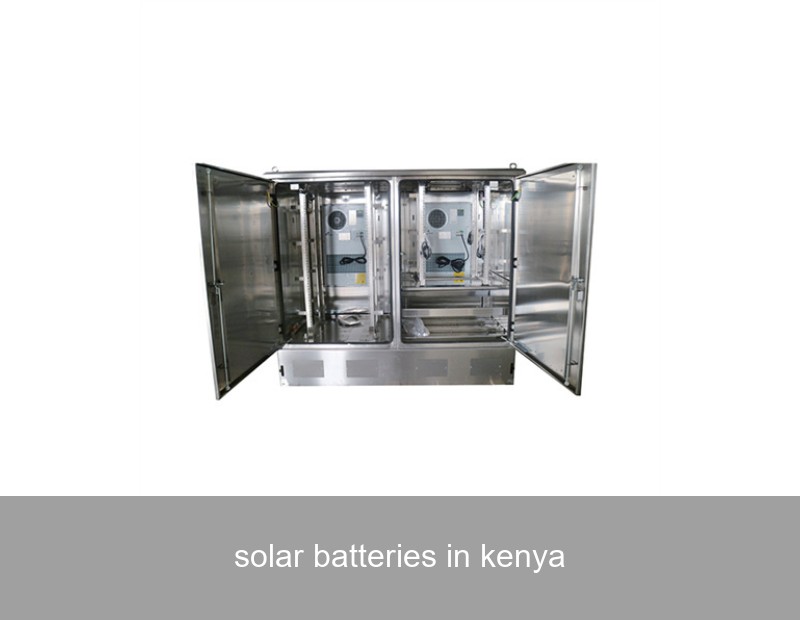
When we think of renewable energy in Africa, the image of vast, sun-drenched landscapes immediately comes to mind. Kenya, in particular, is blessed with phenomenal solar resources, receiving an average of 5-7 peak sun hours per day. Yet, for years, a critical piece of the puzzle was missing, limiting the true potential of this abundant power: reliable storage. This is where solar batteries in Kenya are now transforming the narrative, moving from a luxury to a cornerstone of energy security and economic growth. For businesses, communities, and homeowners across the country, the question is no longer just about capturing the sun's energy, but about intelligently storing and managing it for when it's needed most.
Table of Contents
The Phenomenon: Sun-Rich but Grid-Limited
Kenya's energy story is one of contrasts. While grid connectivity has improved significantly, challenges persist. Intermittent supply, voltage fluctuations, and high commercial tariffs are common pain points, especially for productivity-critical sectors like agriculture, manufacturing, and tourism. A power outage during a processing shift or at a remote lodge can mean lost revenue and spoiled goods. Solar panels offered a brilliant first step, generating clean power during the day. But what about at night, during peak demand, or on cloudy days? Without storage, a significant portion of that self-generated power was wasted, and reliance on diesel generators—expensive and polluting—remained high.

This gap between solar generation and consumption patterns is precisely the problem that modern solar batteries in Kenya are designed to solve. They are the essential bridge, turning a daytime-only resource into a 24/7 power solution.
The Data: Kenya's Energy Landscape by the Numbers
Let's look at the facts that make energy storage not just useful, but imperative for Kenya's development:
| Metric | Data | Implication |
|---|---|---|
| Average Commercial Grid Tariff | ~KSh 20/kWh (USD ~0.15) | High operational costs for businesses |
| Diesel Generator Cost | KSh 40-60/kWh (USD ~0.30-0.45) | Extremely expensive backup power |
| Kenya's Solar Irradiation | 4-6 kWh/m²/day | Among the highest in the world |
| Target: Renewable Energy Mix | 100% by 2030 | National policy driving storage adoption |
Furthermore, reports from the International Energy Agency (IEA) highlight Kenya as a frontrunner in renewable energy in Africa, with geothermal and wind playing key roles. However, the integration of variable sources like solar and wind inherently increases the grid's need for stability services—a role batteries are perfectly suited to fill. The economic argument is clear: shifting energy consumption from the grid or diesel to stored solar power can lead to a payback period of 4-7 years for a commercial system, after which the energy costs are drastically reduced for the lifespan of the system (often 10+ years for the batteries).
The Case Study: A Tea Factory's Transformation
Consider the real-world example of a mid-sized tea processing factory in Kericho County. Tea processing is energy-intensive, requiring consistent power for withering, drying, and sorting. Grid instability was causing frequent production halts, risking tea quality and leading to expensive diesel consumption.
The Challenge: Ensure uninterrupted power for 18-hour processing cycles, reduce diesel use by over 90%, and lower overall energy costs.
The Solution: A hybrid system featuring a 500 kWp solar array coupled with a 600 kWh lithium-ion battery energy storage system (BESS). The system was designed to:
- Power daytime operations directly from solar.
- Charge the battery bank with excess solar energy.
- Automatically switch to battery power during grid outages or peak tariff periods.
- Use a sophisticated energy management system to optimize the flow between solar, battery, and grid.
The Results (12 Months Post-Installation):
- Diesel Generator Usage: Reduced by 95%.
- Grid Energy Consumption: Reduced by 70%.
- Annual Energy Cost Savings: KSh 12.8 million (approx. USD 98,500).
- ROI Period: Projected at 5.2 years.
- Carbon Footprint: Reduced by an estimated 450 tonnes of CO2 annually.
This case, mirrored by many agri-businesses and factories across Kenya, underscores that solar batteries in Kenya are a strategic investment, not just an equipment purchase. They directly protect revenue and enhance operational resilience.
The Insight: It's More Than Just a Battery
The success of the tea factory wasn't solely due to the battery cells. It was the result of an intelligent storage system. This is a crucial distinction. In the demanding Kenyan environment, a quality solar battery solution must be:
- Robust & Adaptive: Built to handle high ambient temperatures and variable grid conditions.
- Intelligently Managed: Equipped with software that learns consumption patterns and optimizes for cost-saving (e.g., avoiding grid power during peak tariff hours).
- Scalable: Able to grow as energy needs increase, without replacing the entire system.
- Serviceable: Backed by reliable local technical support and monitoring.
Choosing a system that lacks these features can lead to underperformance, shorter lifespan, and ultimately, a failed return on investment. The core insight is that you're investing in a smart power platform, not just a container of electricity.
The Highjoule Solution: Intelligent Storage for Kenyan Demands
This is where Highjoule's nearly two decades of global expertise comes into play. Since 2005, we have specialized in designing and deploying advanced, software-driven energy storage systems for the most challenging environments. We understand that a solution for solar batteries in Kenya must be engineered for the local context.
Our approach for commercial and industrial clients in Kenya centers on our H-Series Modular Energy Storage System. This isn't an off-the-shelf product; it's a configurable solution:
- High-Temperature Resilience: Our battery modules and power electronics are designed to operate efficiently and reliably in hot climates, ensuring longevity and safety.
- AI-Powered Energy Management: The Highjoule CoreOS platform acts as the brain of the system. It doesn't just store and release power; it forecasts solar generation, analyzes your load and tariff schedule, and dispatches energy in the most economically optimal way possible.
- Seamless Hybrid Integration: The system integrates flawlessly with existing or new solar PV arrays, diesel generators, and the grid, creating a stable and efficient microgrid.
- Remote Monitoring & Local Support: We provide 24/7 system performance monitoring from our global network operations centers, backed by partnerships with trained local engineers for swift on-ground support.

For larger-scale applications like microgrids for communities or utility-scale solar farms, our containerized MegaJoule solutions offer utility-grade storage to firm up renewable output and provide critical grid services. By partnering with Kenyan developers and EPCs, Highjoule brings global technology standards and robust performance guarantees to the market, ensuring that investments in solar batteries deliver their promised value for years to come.
The Future: Your Energy Independence
The journey towards energy independence in Kenya is accelerating. With supportive policies and the falling global cost of lithium-ion technology, the economic case for solar-plus-storage grows stronger every day. The transition is moving from "why" to "how" and "with whom."
Whether you are a hotel manager in the Maasai Mara tired of generator noise and cost, a factory owner in Athi River seeking production stability, or a developer of a rural mini-grid, your next step is critical. The technology is proven. The data is compelling. The question now is about execution.
What specific energy challenge is holding back your productivity or growth right now, and how might a intelligently managed power solution turn that challenge into a competitive advantage?
 Inquiry
 Online Chat