


Solar Energy Control Systems: The Intelligent Brain Behind Modern Solar Power
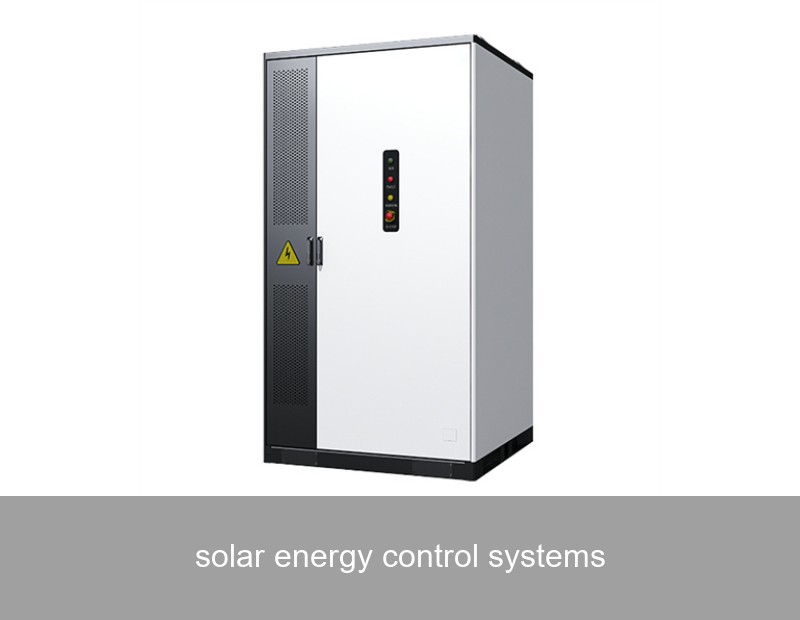
You've seen the solar panels shimmering on rooftops and in fields. But have you ever wondered what happens after sunlight is converted to electricity? The true magic—and the key to unlocking solar power's full potential—lies not just in the panels, but in the sophisticated solar energy control systems that manage, optimize, and direct that energy. For businesses and homeowners across Europe and the US, understanding this "intelligent brain" is the first step towards true energy independence and maximized return on investment.
Table of Contents
The Phenomenon: More Than Just Panels
Imagine your solar array is a powerful engine. A traditional, unmonitored setup is like an engine without a throttle, fuel gauge, or navigation system—it runs, but inefficiently and unpredictably. This is the reality for many early solar adopters. The common phenomenon? System owners often see disappointing savings, experience unexplained production dips, or struggle to manage energy during grid outages. The root cause is rarely the panels themselves; it's the lack of intelligent control.
An advanced solar energy control system solves this by being the central nervous system of your power setup. It continuously monitors production, consumption, battery storage levels, and grid conditions. It makes real-time decisions: should surplus energy charge the batteries, be sold back to the grid, or power your water heater? This dynamic optimization is what separates a basic solar installation from a truly smart, resilient, and cost-effective energy asset.
The Data: Quantifying the Control Gap
Why does control matter so much? Let's look at the numbers. According to the National Renewable Energy Laboratory (NREL), adding advanced controls and energy storage can increase the value of solar photovoltaic (PV) systems by up to 30% for residential customers and even more for commercial entities. This value comes from:
- Increased Self-Consumption: Without control, excess solar energy at midday is exported at low rates. With control, it's stored or diverted, increasing self-use from a typical 30-50% to over 70%.
- Demand Charge Reduction: For commercial users, a significant portion of the electricity bill comes from "demand charges"—peak power draw. Smart controls can use batteries to shave these peaks, leading to savings of 15-30% on the overall bill.
- Enhanced Resilience: During grid outages, a controlled system with storage can provide backup power seamlessly, often in less than 20 milliseconds.
The data is clear: pairing solar panels with a basic inverter is like having a smartphone that only makes calls. Adding a sophisticated solar energy control system unlocks its full "smart" potential.
Key Components of a Modern Solar Control System
So, what makes up this system? It's a harmonious integration of hardware and software.
| Component | Role | Impact |
|---|---|---|
| Smart Hybrid Inverter | The heart. Converts DC from panels/batteries to AC for use, and manages bidirectional power flow. | Enables battery integration and grid interaction. |
| Energy Management System (EMS) Software | The brain. Uses algorithms and weather forecasts to optimize energy decisions. | Maximizes savings and automates operation 24/7. |
| Smart Meter & Sensors | The senses. Provide real-time data on production, consumption, and grid status. | Essential for accurate, data-driven control decisions. |
| Battery Storage System | The muscle. Stores excess solar energy for later use. | Unlocks self-consumption, backup power, and grid services. |
Think of it this way: the inverter and battery are the physical tools, but the EMS software is the master craftsman directing them. This integrated approach is exactly what guides Highjoule's product development. Our H-Energy Hub series combines a high-efficiency hybrid inverter with our proprietary AdaptiveOS software, creating a seamless, all-in-one control unit that is pre-configured for optimal performance, saving installers time and giving end-users peace of mind.

Image Source: Unsplash (Representative image of an energy management interface)
Case Study: A German Bakery's Recipe for Energy Resilience
Let’s make this concrete with a real-world example from Bavaria, Germany. Bäckerei Schmidt (a mid-sized bakery with high energy demands for ovens and refrigeration) installed a 100 kW solar array in 2020. Initially, they faced two problems: 1) Their midday solar peak didn't match their early morning and evening energy peaks, and 2) Grid outages, even brief ones, would spoil dough and halt production.
In 2022, they upgraded their system with an integrated solar energy control system solution, including a 120 kWh battery storage unit. The system was specifically programmed with their load profile in mind. The results after one year were compelling:
- Energy Self-Sufficiency Increased: From 35% to 82% on sunny days.
- Demand Charges Reduced: By strategically discharging the battery during short, high-power draws from the ovens, they cut their monthly demand charges by 28%.
- Zero Downtime: Three grid outages occurred, each over 2 hours. The bakery operated uninterrupted, saving an estimated €8,000 in potential lost production and spoilage.
- ROI Acceleration: The combined savings from increased self-consumption, demand charge reduction, and avoided losses shortened the payback period of the entire system upgrade by an estimated 4 years.
This case, documented in a Fraunhofer ISE study on PV-battery systems, illustrates the transformative power of moving from passive generation to active, intelligent control.
The Highjoule Difference: Intelligent Control for Every Need
At Highjoule, we believe a solar energy control system should be powerful yet simple to own. Founded in 2005, we have spent nearly two decades refining our technology to serve commercial, industrial, residential, and microgrid applications. Our systems are designed with the end-user and installer in mind.
Our Core Product Philosophy:
- Adaptive Intelligence: Our AdaptiveOS doesn't just follow pre-set rules. It learns your energy patterns and adapts to weather forecasts and changing electricity tariffs (crucial for markets with time-of-use rates in the US and Europe).
- Scalability & Modularity: Start with a residential H-Energy Hub Home and scale up to a commercial H-Energy Hub Pro or a containerized Megaflex BESS for microgrids. The control logic scales seamlessly with the hardware.
- Grid-Supportive Features: We design our systems to be grid-friendly. Features like programmable grid-export limits and frequency-watt response help stabilize the local network, a growing concern for utilities.
For a homeowner in California, this means effortless management via a smartphone app and maximum savings under NEM 3.0. For a factory manager in Italy, it means predictable energy costs and guaranteed power for critical processes. Our service extends beyond the sale—we provide remote monitoring, firmware updates, and performance analytics to ensure your system delivers value for decades.

Image Source: Unsplash (Representative image of industrial energy system monitoring)
Looking Ahead: The Future of Solar Control
The evolution of solar energy control systems is accelerating. We are moving towards transactive energy models, where your system doesn't just consume or export energy, but actively trades it with neighbors or the grid in a local energy marketplace. Artificial Intelligence will further refine prediction and optimization, while cybersecurity will become paramount as these systems become critical infrastructure nodes.
The question is no longer "Should I get solar?" but "How do I make my solar investment as smart and resilient as possible?" The answer lies in the intelligence of the control system you choose.
 Inquiry
 Online Chat