


Understanding Solar Energy in Ethiopia: Price, Potential, and Powering Progress
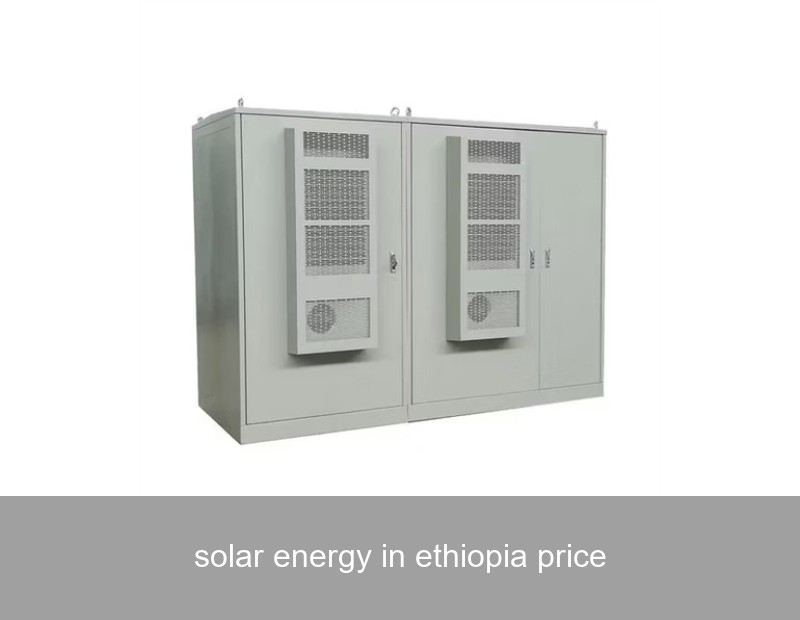
When you think of Ethiopia, vast landscapes, rich history, and aromatic coffee might come to mind. But for energy experts and forward-thinking communities, a different image is emerging: one of brilliant sunlight and untapped renewable potential. The conversation around solar energy in Ethiopia price isn't just about cost per watt; it's about the value of unlocking energy independence, driving economic growth, and empowering a nation. In this deep dive, we'll move beyond the basic price tag to explore the true economics of solar in Ethiopia, the challenges, the real-world successes, and how advanced technology is making it more accessible than ever.
Table of Contents
The Ethiopian Sun: A Phenomenon of Potential
Ethiopia is blessed with one of the highest solar irradiance levels in the world. With an average of 5-7 kilowatt-hours per square meter per day, the country's solar resources are comparable to sun-drenched regions like the southwestern United States or the Sahara. Yet, despite this abundance, a significant portion of the population lacks reliable access to electricity. This is the core paradox: immense natural wealth alongside an energy access gap. The government's ambitious Ethiopia Renewable Energy Outlook highlights a clear path to bridging this gap, with solar PV poised to play a starring role.

So, why isn't every rooftop gleaming with panels? The initial solar energy in Ethiopia price perception is a hurdle. Many businesses and institutions see the upfront capital expenditure (CAPEX) and hesitate, often defaulting to familiar, but costly and polluting, diesel generators. This is where the narrative needs to shift from upfront cost to long-term value.
Decoding the "Solar Energy in Ethiopia Price" Equation
Let's break down the costs. The price of a solar system is influenced by several factors:
- Component Costs: Solar panels, inverters, mounting structures, and crucially, energy storage systems (ESS). Global prices for panels have fallen dramatically, but quality and efficiency vary.
- Installation & Logistics: Transporting equipment and skilled labor can add complexity in certain regions.
- System Design & Technology: A basic, grid-tied system has a different price than a sophisticated off-grid or hybrid microgrid solution with battery backup.
The real metric isn't the installation price, but the Levelized Cost of Energy (LCOE)—the total lifetime cost of the system divided by the energy it produces. For solar in Ethiopia, the LCOE is becoming fiercely competitive, especially when you factor in the volatile and high price of diesel fuel and the environmental cost of carbon emissions.
| Energy Source | Key Cost Consideration | Long-Term Financial Risk |
|---|---|---|
| Diesel Generators | Low upfront, high ongoing fuel & maintenance | Very High (Fuel price volatility) |
| Grid Electricity (where available) | Operational expense, subject to tariffs & outages | Medium (Reliability issues) |
| Solar PV + Storage | Higher upfront investment | Very Low (Free fuel, predictable costs) |
Case Study: Solar-Powering a Bahir Dar Textile Factory
Let's look at a real example. A mid-sized textile factory in Bahir Dar, facing 6-8 hours of daily grid outages, was spending over $45,000 monthly on diesel to keep operations running. The constant hum of generators was a cost center and an environmental stain on their sustainability goals.
In 2022, they invested in a 500 kW solar PV system coupled with a 1 MWh battery energy storage system (BESS). The upfront solar energy in Ethiopia price for this project was significant. However, the results transformed their business:
- Diesel Consumption Reduced by 92%: The hybrid system automatically switches to solar and battery power during grid outages.
- Payback Period: 4.2 years, based on diesel savings alone.
- ROI: Now generating essentially free power for the remainder of the system's 20+ year lifespan.
- Environmental Impact: Reduced carbon emissions by approximately 1,200 tons annually.
This case, documented in part by the World Bank's Ethiopia development reports, illustrates the transformative economics. The price was an investment, not just an expense.
Beyond Panels: The Critical Role of Energy Storage
Solar panels alone can't solve Ethiopia's energy reliability challenge. The sun doesn't shine at night, and even daytime grid instability requires a buffer. This is where energy storage becomes the linchpin of a true solar solution. A high-quality Battery Energy Storage System (BESS) does more than just store energy; it:
- Provides seamless backup power during outages.
- Stabilizes the electrical load, protecting sensitive machinery.
- Allows for "energy time-shifting," using solar power after sunset.
- Maximizes the self-consumption of solar energy, improving ROI.

Highjoule's Smart Solutions for the Ethiopian Market
This is where Highjoule's nearly two decades of global expertise come into play. We understand that the solar energy in Ethiopia price conversation must evolve into a discussion about value, reliability, and intelligence. For commercial and industrial clients in Ethiopia, we offer tailored solutions that go beyond hardware.
Our HPS Series (Hybrid Power System) is specifically engineered for markets with unstable grids. It intelligently manages energy between solar panels, battery storage, the grid, and backup generators, prioritizing the cheapest and cleanest source first. This cuts fuel costs to the absolute minimum and extends generator life. Furthermore, our Energy Management System (EMS) software provides real-time monitoring and control from anywhere in the world, giving facility managers in Addis Ababa or investors in Europe full visibility into their asset's performance and savings.
For larger-scale applications like agricultural processing plants, universities, or healthcare facilities, Highjoule designs containerized microgrid solutions. These all-in-one, plug-and-play units can be deployed rapidly to provide clean, resilient power for entire communities or industrial clusters, turning the challenge of energy access into an opportunity for sustainable development.
The Future of Solar in Ethiopia: Your Role
The trajectory is clear. With supportive policies, decreasing technology costs, and proven success stories, solar power is set to be a cornerstone of Ethiopia's energy future. The question is no longer "Can we afford solar?" but rather "Can we afford to wait?" The price of inaction is continued reliance on expensive, polluting fuels and missed economic opportunities.
For business leaders, project developers, and sustainability officers looking at the Ethiopian market, the next step is a detailed feasibility analysis. What would a hybrid solar-plus-storage system look like for your specific load profile and location? How would you structure the financing to manage the initial investment?
What's the one energy challenge your operation in Ethiopia faces that a smarter, more resilient power system could solve?
 Inquiry
 Online Chat