


Beyond Panels: How a Leading Solar Firms Supplier Powers the Future of Energy
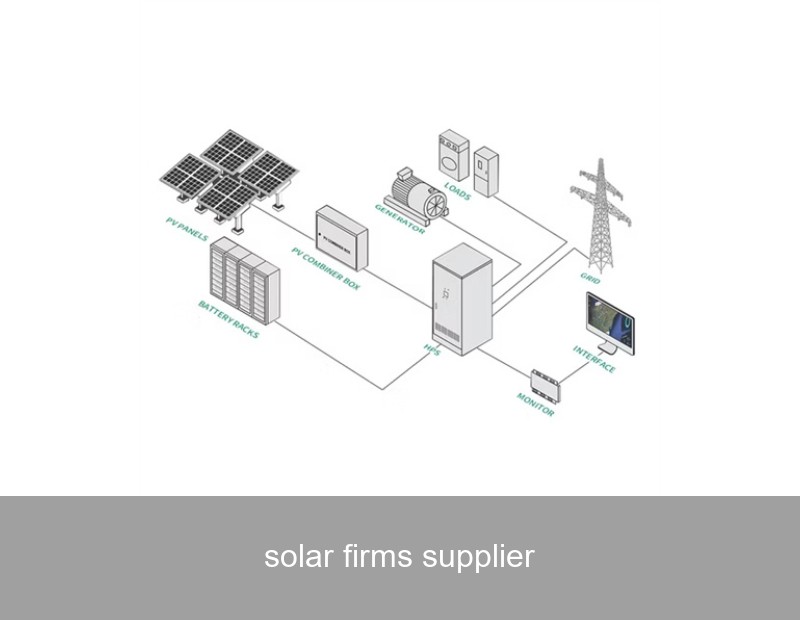
If you're in the solar industry, you know the landscape is shifting. It's no longer just about installing the most efficient panels on a roof. The real challenge—and the real opportunity—lies in what happens when the sun isn't shining. For forward-thinking solar firms, the value proposition is evolving from simply generating clean energy to providing reliable, 24/7 power. This is where the role of a strategic solar firms supplier becomes critical. The right partner doesn't just provide hardware; they deliver integrated solutions that turn solar installations into resilient energy assets. This article explores the key components modern solar installers need and how choosing an advanced technology partner can redefine your projects and profitability.
Table of Contents
The New Challenge for Solar Firms: From Intermittent to Intelligent
For years, the primary goal was maximizing kilowatt-hour production. Feed-in tariffs and net metering made this a straightforward model. However, as grid infrastructure ages and electricity demand patterns change, grids are becoming less able to absorb uncontrolled solar injections. Utilities are revising compensation schemes, and consumers are starting to demand true energy independence. Suddenly, a solar array without a brain and a battery is like a car without wheels—it has potential but can't take you where you need to go. The modern solar firm must now supply systems, not just systems of panels.

This shift requires a new kind of supply chain. You need partners who understand energy management software, battery chemistry, grid services, and long-term system health—not just module specifications.
The Data Reality: Why Storage is No Longer Optional
Let's look at the numbers. In the U.S., the Solar Energy Industries Association (SEIA) reports that while solar continues to break installation records, the attachment rate of storage to residential solar has surged from under 10% a few years ago to over 30% in key markets like California and is climbing rapidly nationwide. In Europe, driven by the energy crisis and ambitious REPowerEU goals, the market for residential battery storage is projected to grow by over 40% annually.
The financial logic is clear:
- Increased Customer Value: Projects with storage have a higher average ticket price and improve customer lifetime value.
- Grid Independence: Systems can provide backup power during outages, a major selling point in areas with volatile grids or extreme weather.
- Optimized Economics: Time-of-use arbitrage (storing cheap solar to use during expensive peak hours) can improve ROI by 20-40% depending on the market.
Case Study: Transforming a Commercial Project in Bavaria
Consider a real-world example. A mid-sized solar installer in Germany was developing a 250 kWp rooftop system for a dairy processing plant. The plant's operations ran 24/7, but its solar generation was, of course, daytime-limited. Under the old model, they would export excess midday power at a low rate and import expensive power in the evening. By partnering with a supplier that provided an integrated solar-plus-storage solution, the project was transformed.
| Metric | Solar-Only Design | Solar + Storage Design |
|---|---|---|
| Self-Consumption Rate | 35% | 85% |
| Grid Dependence at Peak Hours | 90% | 15% |
| Projected 10-Year Savings for Client | €180,000 | €520,000 |
| Installer Project Margin | Standard | Increased by ~22% |
The key was the supplier's intelligent energy management system (EMS), which dynamically controlled charge/discharge cycles based on production, consumption, and real-time electricity prices. This wasn't just adding a battery; it was integrating a new intelligence layer.
Key Components from a Modern Solar Firms Supplier
So, what should you look for in a solar firms supplier today? The checklist goes beyond panel wattage and inverter efficiency.
- Advanced Battery Energy Storage Systems (BESS): Look for safe, long-lifecycle batteries (like Lithium Iron Phosphate chemistry) with robust thermal management.
- Seamless Hybrid Inverters: Hardware that seamlessly manages DC from panels and batteries, simplifying system design and installation.
- Intelligent Energy Management Software: The true brain of the operation. It should offer features like peak shaving, backup power automation, and remote monitoring/updates.
- Scalable Architecture: Solutions that can grow from residential (5-20 kWh) to commercial and industrial scale (100 kWh to MWh) using similar technology stacks.
- Grid Services Readiness: Hardware and software capable of participating in virtual power plants (VPPs) or frequency response markets, creating future revenue streams.

Highjoule: Your Partner for Intelligent Storage Integration
This is precisely where Highjoule positions itself. As a global leader in advanced energy storage since 2005, we don't just sell components; we provide the integrated intelligence that solar firms need to deliver turnkey resilient energy solutions. For our partners, we act as the essential solar firms supplier for the energy transition era.
Our product ecosystem is designed for integration and scalability:
- Highjoule H-Series Commercial & Industrial BESS: A modular, containerized solution with industry-leading energy density and built-in safety protocols, perfect for the dairy plant case study mentioned earlier.
- Highjoule ResiCore Home Energy System: An all-in-one unit combining inverter, battery, and manager for residential projects, making it easy for solar installers to add storage with minimal additional training.
- JouleMind OS: Our proprietary energy management platform. This cloud-based software is the differentiator, allowing installers and end-users to optimize for self-consumption, cost savings, or grid support through an intuitive interface.
Our services extend to comprehensive support, including system design assistance, commissioning protocols, and O&M training, ensuring our partner solar firms are confident and capable from sale to service.
How to Future-Proof Your Solar Business
The transition is happening now. To stay ahead, leading solar installers are already deepening their relationships with technology-forward suppliers. They are training their sales and design teams on storage economics and presenting integrated solutions as the new standard. Resources like the U.S. Department of Energy's solar integration research underscore the technical feasibility and grid benefits of this approach.
The question is no longer if storage will become standard, but how quickly. The choice of your technology supplier will determine your speed and success on this path.
What's the first step your firm will take to move from being a solar installer to becoming a provider of comprehensive, intelligent energy independence?
 Inquiry
 Online Chat