


Unlocking the Full Potential of Solar Thermal Energy Systems for Modern Power Needs
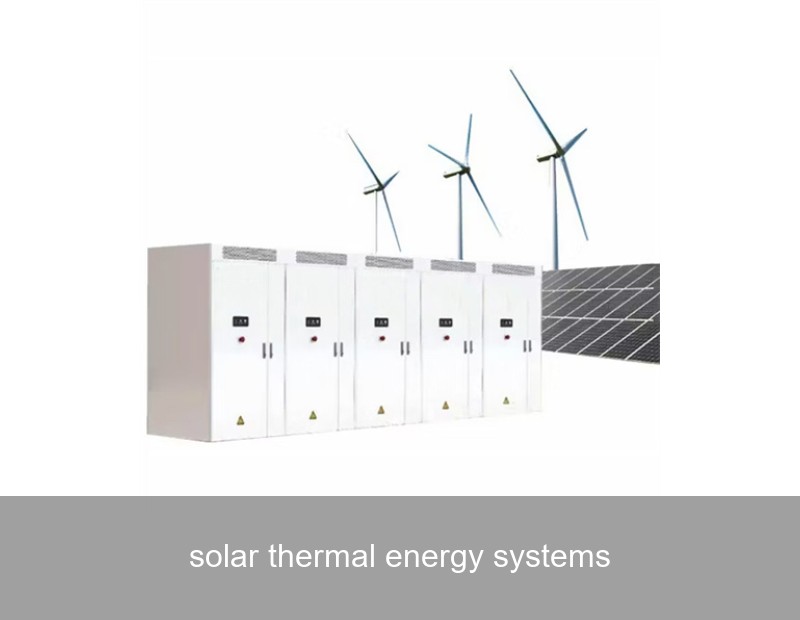
As the world intensifies its search for reliable, clean energy, solar power often brings to mind the familiar sight of photovoltaic (PV) panels. But there's another powerful technology quietly heating things up: solar thermal energy systems. While PV converts sunlight directly into electricity, solar thermal captures the sun's heat, using it for warming spaces, providing hot water, or even driving turbines to generate power. For businesses and communities, the real challenge isn't just generating this energy—it's storing it for when the sun isn't shining. This is where the synergy between thermal collection and advanced electrical storage becomes critical for a truly resilient and efficient energy setup.
Table of Contents
The Storage Gap in Solar Thermal
Let's face a simple truth: the sun is a part-time resource in most locations. A solar thermal system can brilliantly provide hot water or process heat during daylight hours, but what about the evening, night, or prolonged cloudy periods? Traditional thermal storage, like insulated water tanks or molten salt, is excellent for short-term heat retention but can be limited in capacity, scale, and efficiency for longer-duration or larger power needs. This creates a "storage gap" that can hinder the adoption of solar thermal for applications requiring consistent, round-the-clock energy.

Image Source: Unsplash (Credit: Photographer via Unsplash)
Data Realities: Intermittency and Demand
The numbers paint a clear picture. According to the International Energy Agency (IEA), solar thermal for process heat is a growing market, yet its capacity factor—the ratio of actual output to potential output—is inherently tied to solar irradiance. For a commercial operation like a brewery, a hotel, or a manufacturing plant, energy demand is often constant. A study of European industrial energy use shows that over 60% of process heat demand is required at temperatures below 400°C, a range perfectly suited for solar thermal. However, without effective storage or backup, facilities remain dependent on gas or electric grids, missing significant decarbonization and cost-saving opportunities.
The Core Challenge: Aligning Supply with Consumption
Think of your energy profile. The solar thermal system produces a surplus at midday. Your consumption, however, might peak in the morning and again in the evening. This mismatch isn't just an inconvenience; it represents lost value and unmet potential.
Case Study: A 24/7 Dairy Farm in Bavaria
Consider the real-world example of a large dairy farm in Bavaria, Germany. The farm installed a concentrated solar thermal system to provide the hot water needed for cleaning equipment and sterilizing processes—a significant portion of its operational energy use.
- System: 500 m² parabolic trough collector field.
- Thermal Storage: A 50,000-liter insulated hot water tank.
- The Problem: The thermal storage provided about 8 hours of heat autonomy. Nightly operations and overcast days still required the natural gas boiler to kick in, keeping costs and emissions higher than desired.
- The Integrated Solution: The farm partnered with Highjoule to address this gap. We didn't replace the thermal system; we augmented it. A Highjoule HPS-150 commercial battery energy storage system (BESS) was integrated with the farm's overall electrical infrastructure, which included a rooftop PV array.
- The Outcome: The BESS intelligently manages the farm's total energy flow. During sunny afternoons, excess solar PV electricity, which would have been fed to the grid at low rates, is stored in the Highjoule battery. In the evening or during low-solar periods, this stored electricity powers the farm's ancillary equipment and, crucially, can supplement the thermal system by running high-efficiency electric boilers as a top-up. This reduced their gas consumption by an additional 32% annually, achieving near-total energy self-sufficiency during summer months.
This case illustrates a powerful principle: solar thermal energy systems achieve their highest value and reliability when part of a smart, hybrid system that includes advanced electrical storage.
The Integrated Solution: Thermal Collection Meets Battery Storage
So, what's the path forward? The future lies in integrated energy systems. Solar thermal handles the direct heat load. Photovoltaic panels generate electricity. And a central, intelligent battery storage system like those from Highjoule acts as the brain and buffer, orchestrating energy use for maximum efficiency and resilience.
| Component | Primary Role | Benefit |
|---|---|---|
| Solar Thermal System | Provides direct process heat / hot water | High efficiency for thermal needs, reduces fossil fuel for heat |
| Photovoltaic (PV) System | Generates electricity from sunlight | Powers electrical loads, feeds storage |
| Highjoule BESS | Stores electrical energy, intelligently manages power flow | Bridges day/night gap, stabilizes grid interaction, optimizes self-consumption |

Image Source: Unsplash (Credit: American Public Power Association via Unsplash)
Highjoule's Role: Stabilizing Your Renewable Energy Mix
At Highjoule, with nearly two decades of experience since 2005, we specialize in making renewable energy systems reliable. We understand that a solar thermal energy system is a major investment. Our smart battery storage solutions ensure you get the most out of that investment. Our HPS Series for commercial and industrial applications features:
- Advanced Lithium-Ion Chemistry: For high cycle life, safety, and efficiency.
- Intelligent Energy Management System (EMS): This is the true hero. Our EMS doesn't just see a battery; it sees your entire energy landscape—thermal load, PV production, grid tariffs, and weather forecasts—making real-time decisions to minimize cost and carbon footprint.
- Scalable Architecture: From 100 kWh to multi-megawatt installations, designed to grow with your needs.
- Grid Services Readiness: In many markets, systems like ours can provide grid stability services, creating a potential new revenue stream.
For microgrids or large residential complexes, our solutions enable solar thermal and PV to work in perfect harmony, reducing reliance on backup generators and creating truly sustainable communities.
Expertise You Can Trust
Our approach is grounded in deep expertise. We recommend reviewing frameworks from the National Renewable Energy Laboratory (NREL) on hybrid energy systems, which validate the performance and economic benefits of coupling thermal and electrical storage. It's not just about adding a battery; it's about designing a cohesive energy ecosystem.
The Future Outlook for Solar Thermal
The potential for solar thermal, especially concentrated solar power (CSP) with inherent thermal storage, remains vast, particularly in sunbelt regions. The U.S. Department of Energy continues to fund research into next-generation CSP technologies. For the broader commercial and industrial sector, the trend is clear: hybridization. The most resilient and cost-effective facilities will be those that combine multiple renewable generation sources with intelligent storage.
Imagine a factory where solar thermal meets process heat demand, PV runs the machinery, and a Highjoule BESS ensures not a single kilowatt-hour is wasted, all while providing backup power. This isn't a distant future—it's an operational reality we are building today.
Your Energy, Your Control
Are you exploring a solar thermal project but concerned about reliability after sunset? Or perhaps you have an existing thermal system whose value could be dramatically increased with the right electrical storage partner? What would a 24/7 clean energy supply mean for your operational independence and sustainability goals?
We invite you to connect with Highjoule's technical experts. Let's discuss how to build an energy system that doesn't just capture the sun's heat, but truly harnesses its full, uninterrupted potential.
 Inquiry
 Online Chat