


Solar Generator Portable: Your Ultimate Guide to Clean, Off-Grid Power
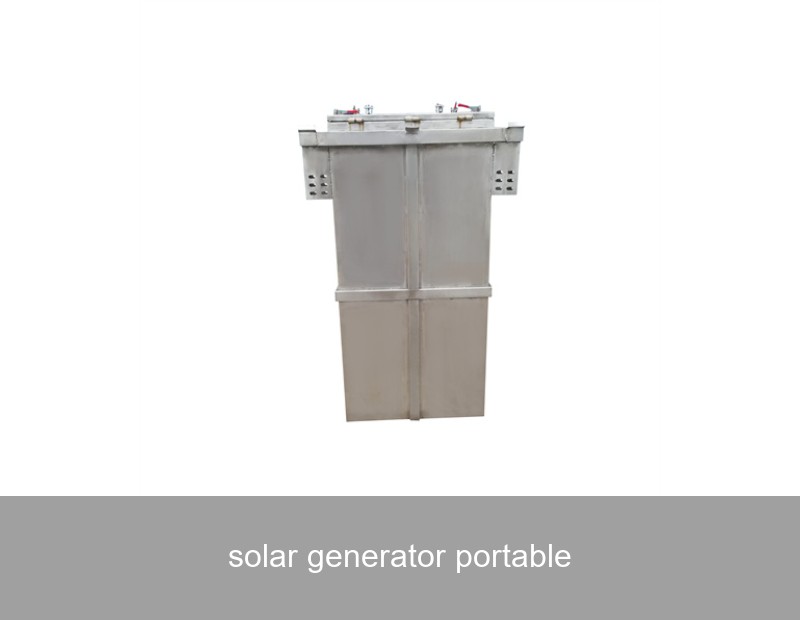
you're at a remote campsite, the sun is setting, and your phone battery is at 1%. Or perhaps a sudden storm has knocked out power to your neighborhood. In our increasingly mobile and sometimes unpredictable world, the quest for reliable, independent power is more relevant than ever. This is where the modern solar generator portable system comes in—a silent, clean, and remarkably capable solution that has evolved far beyond simple battery packs. But what exactly makes a great portable solar generator, and how can you leverage this technology for peace of mind and true energy independence? Let's explore.
Table of Contents
What is a Portable Solar Generator?
Unlike noisy, fume-emitting gas generators, a portable solar generator is an integrated, all-in-one power station. It's not a "generator" in the traditional sense; it's a sophisticated battery storage system that you "fuel" by capturing sunlight through portable solar panels. The system quietly stores that energy in a high-capacity battery (typically Lithium Iron Phosphate or LiFePO4 for safety and longevity) and delivers it via standard outlets (AC, DC, USB) when you need it. It's a plug-and-play microgrid in a box.

Image Source: Unsplash - Example of a portable solar setup.
Key Components & How They Work
Understanding the core parts demystifies the technology. Every quality portable solar generator consists of three main parts:
- Portable Solar Panels: These are the fuel collectors. Modern foldable or rollable panels are lightweight, durable, and highly efficient, converting 20-23% of sunlight into electricity.
- The Power Station (The "Generator"): This is the heart. It contains the battery, the charge controller (which regulates solar input), and the inverter (which converts stored DC battery power to AC for your devices).
- Battery Storage: This is the fuel tank. Capacity is measured in Watt-hours (Wh). A 500Wh unit can theoretically power a 50W laptop for 10 hours. The shift to LiFePO4 (LFP) chemistry is a game-changer, offering 3,000+ life cycles and superior thermal stability compared to older lithium-ion types.
The Power Flow: From Sun to Device
1. Capture: Solar panels convert sunlight into direct current (DC) electricity.
2. Regulate & Store: The charge controller optimizes the energy flow and safely charges the battery.
3. Convert & Deliver: When you plug in a device, the inverter converts the battery's DC power to usable AC power (like a wall outlet).
Why Choose Solar? Key Benefits Over Traditional Options
The advantages extend far beyond being "green."
| Feature | Portable Solar Generator | Gasoline Generator |
|---|---|---|
| Noise | Silent operation | Loud (65-95 dB) |
| Emissions | Zero on-site emissions | CO2, CO, fumes |
| Fuel | Free, renewable sunlight | Costly, volatile gasoline |
| Maintenance | Very low (no oil, filters) | High (regular upkeep) |
| Indoor Use | Safe for tents, rooms, vehicles | Extremely hazardous indoors |
| Start-up | Instant, push-button | Pull-start, can fail |
According to the U.S. EPA, using a 3.5kW solar generator instead of a gas model for 50 hours can prevent approximately 400 pounds of CO2 emissions—that's like not burning 20 gallons of gasoline.
Real-World Power: A Case Study from California
Let's move from theory to practice. In 2023, a community volunteer group in Sonoma County, California, faced a critical challenge. Their wildfire preparedness and response communications trailer needed a reliable, silent, and safe power source that could operate during Public Safety Power Shutoffs (PSPS) and in sensitive ecological areas.
The Solution: They deployed a high-capacity portable solar generator system with 2.4kWh of LFP battery storage and 800W of foldable solar panels. This system was designed to power their VHF/UHF radios, LED lighting, laptops, and a small refrigerator for medical supplies for over 48 hours without sunlight.
The Data & Outcome: During a 3-day PSPS event in October 2023, the system provided uninterrupted power for 72 hours. Key metrics included:
- Energy Generated: 5.2 kWh total from solar recharge periods.
- Critical Loads Powered: Communications gear (continuous), refrigeration (cycled), and device charging.
- Cost Savings: Eliminated $150+ in potential fuel costs and logistics.
- Emission Savings: Avoided an estimated 900 lbs of CO2 versus running a comparable gas generator.
This case underscores that portable solar isn't just for camping; it's a viable, professional-grade resilience tool for communities and businesses. The principles of resilience, efficiency, and clean operation at this scale are the same that guide Highjoule in developing larger commercial and industrial energy storage systems (BESS).
Choosing the Right System for Your Needs
Selecting a unit isn't about getting the biggest one; it's about the right fit. Follow this simple logic ladder:
- List Your Devices: What do you need to power? (e.g., laptop (60W), mini-fridge (50W), CPAP (30W)).
- Calculate Watt-Hours: Find each device's running Watts, estimate hours of use, and sum them. (Device Watts × Hours = Watt-hours needed). Add a 20% buffer.
- Prioritize Battery Chemistry: Opt for LiFePO4 for long-term value and safety. It's worth the investment.
- Match Solar Input: Ensure the solar panels can recharge the battery in your desired time frame. A 100W panel won't quickly recharge a 2000Wh unit.
- Check Output Ports: Ensure it has the right outlets (AC, USB-C PD, 12V carport) for your gear.
Highjoule's Expertise in Scalable Solar Power
While portable units empower individuals, the need for clean, resilient energy scales dramatically for businesses, factories, and communities. This is where Highjoule's nearly two decades of expertise comes into play. Founded in 2005, Highjoule is a global leader in advanced, intelligent energy storage systems.
Think of the portable solar generator's principles—efficient solar harvesting, safe battery storage, intelligent power management—but amplified to megawatt scale. Highjoule's commercial and industrial BESS solutions, like our H-IQ Series, perform the same core function: they store energy (often from large solar arrays) and deliver it precisely when and where it's needed. Our systems ensure manufacturing plants avoid costly demand charges, enable microgrids for remote communities, and provide critical backup for hospitals, all while maximizing the use of renewable sources. The same commitment to safety (using top-tier LFP chemistry), system intelligence, and durable design that you should look for in a portable unit is engineered into every Highjoule system. The U.S. Department of Energy highlights the critical role of storage in a modern, flexible grid.

Image Source: Unsplash - Utility-scale solar power.
The Future of Portable Solar
The trajectory is clear: higher density batteries, even more efficient and flexible solar panels, and smarter integration with home systems. We're moving towards a future where your portable power station can seamlessly act as a home backup during an outage, or where vehicle-to-load (V2L) technology from your EV complements your portable solar setup. The line between personal, portable power and residential/community energy resilience is blurring in the most exciting way.
Ready to Take Control of Your Energy?
Whether you're an outdoor enthusiast seeking freedom, a homeowner preparing for storms, or a business manager evaluating resilience strategies, the fundamental question remains: What could you power, and what risks could you mitigate, with a source of clean, silent, and reliable energy at your command? The technology is here, proven, and more accessible than ever. We encourage you to start with the device list and watt-hour calculation—the first step towards your energy independence might be simpler than you think.
 Inquiry
 Online Chat