


Solar Inverter with Battery for Home: Your Complete Guide to Energy Independence
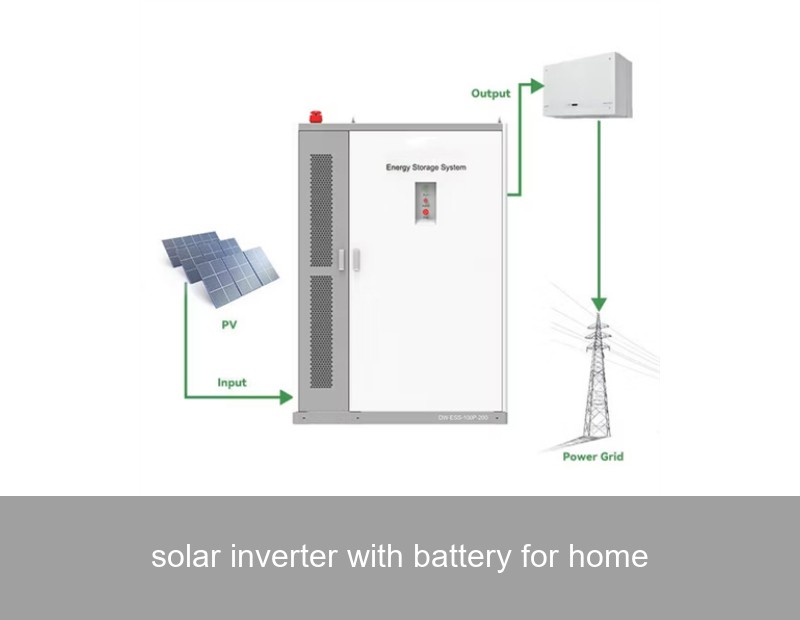
You've probably seen the headlines about rising electricity costs and grid instability. Maybe you already have solar panels and wonder why you're still paying bills. The missing piece for many homeowners is a solar inverter with battery for home. This isn't just another gadget; it's the brain and heart of a modern home energy system, turning sporadic solar power into a reliable, 24/7 energy source. Let's explore how this technology works and why it's becoming a non-negotiable for energy-savvy households in Europe and the US.
Table of Contents
What Exactly is a Solar Inverter with Battery for Home?
Think of it as your personal home energy manager. A traditional solar inverter simply converts the direct current (DC) from your panels into usable alternating current (AC) for your home. Add a battery, and everything changes. This integrated system stores excess solar energy produced during the day for use at night, during peak rate periods, or when the grid goes down. It's the difference between having a solar-powered generator that only works in sunshine and having your own resilient, private microgrid.
The Urgency: Why Consider One Now? Data Tells the Story
The shift isn't just about being green; it's about economic and practical resilience. In the US, average electricity prices have risen over 15% in the last three years. In Europe, geopolitical factors have caused unprecedented volatility. Meanwhile, extreme weather events are making grid outages more frequent. A solar inverter with battery directly addresses these three pain points: cost, reliability, and independence.
How It Works: The Seamless Power Flow
The magic is in the intelligent coordination. Here’s a typical daily cycle:
- Sunrise to Afternoon: Solar panels produce energy. The inverter powers your home first, then directs surplus energy to charge the battery.
- Late Afternoon/Evening (Peak Grid Demand): The battery discharges, powering your home and avoiding expensive peak-time electricity imports.
- Night: Your home runs primarily on the stored battery energy until the sun rises again.
- Grid Outage: The system automatically isolates from the grid (islanding) and continues to power critical loads from the battery and solar, often in under a second.

Image Source: Unsplash - A modern home energy setup with solar panels and battery storage.
Key Benefits Beyond Bill Savings
- Maximized Self-Consumption: Use 70-90% of the solar energy you produce, compared to 30-50% without a battery.
- Backup Power: Keep lights, refrigeration, and internet on during outages.
- Peak Shaving: Avoid punitive time-of-use rates from your utility.
- Grid Support & Incentives: Some regions offer payments for allowing grid operators to use your stored energy (virtual power plant programs).
- Increased Property Value: Homes with solar-plus-storage are increasingly seen as future-proof assets.
A Real-World Case Study: The Smith Family in California, USA
Let's look at hard data. The Smith family in Sacramento installed a 8kW solar array with a 13.5kWh battery system in early 2022.
| Metric | Before Installation | After Installation (12-month avg.) |
|---|---|---|
| Monthly Electricity Bill | $220 | $12 (minimum grid connection fee) |
| Grid Energy Imported | 900 kWh/month | 45 kWh/month |
| Self-Consumption of Solar | ~40% (exported the rest) | ~92% |
| Outage Protection | None | Covered critical loads for 14 hours during a winter storm |
Their system paid for itself in under 7 years, factoring in state and federal incentives. More importantly, it provided peace of mind during wildfire-related Public Safety Power Shutoffs (PSPS), a growing concern in their area.
Choosing the Right System: Key Considerations
Not all systems are created equal. When evaluating a solar inverter with battery for home, ask these questions:
1. AC-Coupled vs. DC-Coupled Systems
AC-coupled systems (like many retrofit solutions) offer flexibility. DC-coupled systems can be slightly more efficient for new installations. The best choice depends on your existing setup and goals.
2. Battery Chemistry: Lithium-Ion is King, But Which Type?
Most modern systems use Lithium Iron Phosphate (LFP) chemistry. It's safer, has a longer lifespan (often 10,000 cycles or more), and performs better across a wider temperature range than older NMC batteries.
3. Power Rating vs. Energy Capacity
Understand the difference: Capacity (kWh) is how much energy is in the "tank." Power (kW) is how fast you can empty it. You need enough power to run multiple appliances at once and enough capacity to last through the night.
4. Software & Intelligence
The hardware stores energy, but the software maximizes its value. Look for systems with intelligent energy management that can learn your habits, respond to time-of-use rates, and integrate with smart home devices.

Image Source: Unsplash - A sleek, modern home battery unit installed indoors.
How Highjoule Powers Smarter, More Resilient Homes
At Highjoule, with nearly two decades of experience since 2005, we've engineered our home energy solutions to tackle the exact challenges outlined above. Our Highjoule HomePower system is more than just a solar inverter with battery for home; it's an integrated ecosystem.
Our hybrid inverter seamlessly manages energy flow between solar, battery, home, and grid. It's paired with our proprietary LFP battery packs, renowned for their safety and 15-year warranty. What truly sets it apart is the Highjoule EnergyOS platform. This AI-driven software optimizes every kilowatt-hour based on weather forecasts, your usage patterns, and real-time electricity prices. For homeowners in regions with volatile markets or frequent outages, this intelligence translates directly into savings and security.
We design for the real world. Our systems are built to endure extreme temperatures, common in both Southern US states and Nordic European countries. Furthermore, our scalable design allows you to start with a system that fits your budget and add battery capacity as your needs grow.
Beyond the Hardware: Highjoule's Full-Service Approach
We provide more than just equipment. Our network of certified installers ensures a flawless setup. Our monitoring platform gives you full visibility and control over your home's energy flow from your smartphone. And our team supports you in navigating local permits and incentives, which can be a complex maze, especially across different US states and European countries.
So, the question isn't just whether you need a solar inverter with a battery. It's about what level of control, resilience, and intelligence you want over your home's energy future. What would you power first during an outage, and what would that peace of mind be worth to you and your family?
 Inquiry
 Online Chat