


Demystifying Solar Inverter Prices in Kenya: A Smart Buyer's Guide
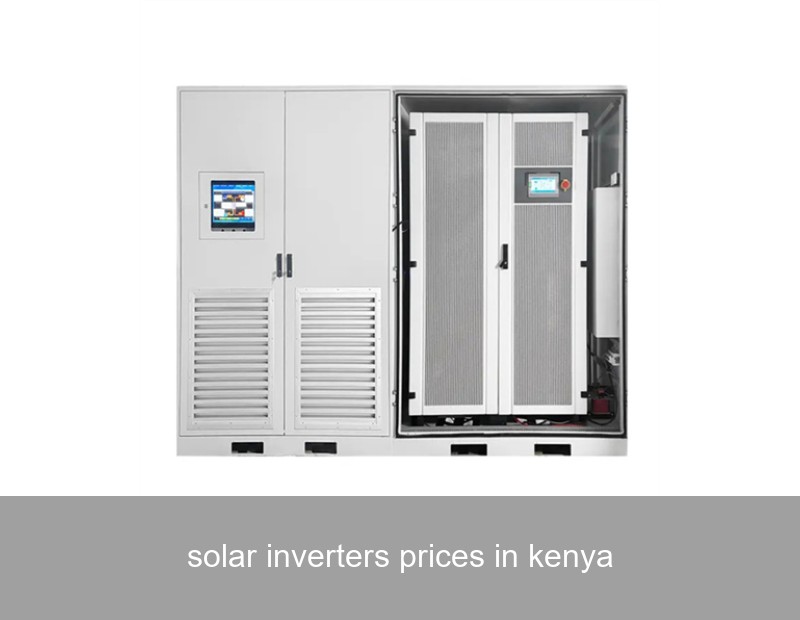
If you're exploring solar power in Kenya, you've likely encountered a dizzying range of solar inverter prices in Kenya. Quotes can vary wildly, leaving you wondering: why the huge difference, and what am I really paying for? This isn't just about a box on your wall; it's about the brain of your entire solar energy system. The inverter's job—converting the DC power from your panels into usable AC power for your home or business—is critical. Choosing based on price alone can be a costly mistake in the long run. Let's break down the real factors behind those price tags and how to ensure your investment delivers reliable, clean energy for years to come.
Key Factors Influencing Solar Inverter Prices in Kenya
The price you see is a sum of its parts, both technical and market-driven. Understanding these components empowers you to compare quotes like a pro.
Inverter Type and Technology
The core technology is your biggest price determinant. Here’s the common lineup in the Kenyan market:
- String Inverters: The most common and cost-effective option for standard installations. All panels are connected in a series ("string") to a single inverter. Prices are lower, but shade on one panel can affect the whole string's output.
- Microinverters: These are small units attached to each solar panel. They optimize each panel individually, maximizing harvest in shaded or complex roof scenarios. This advanced technology comes at a higher upfront cost per watt.
- Hybrid Inverters: This is where the market is rapidly moving. Hybrid inverters not only handle solar conversion but also integrate seamlessly with battery storage. They are intelligent units that manage energy flow between panels, batteries, and the grid. While more expensive than basic string inverters, they are the gateway to energy independence and resilience.
Power Rating and Quality
Inverters are rated in kilowatts (kW). A 5kW inverter will cost less than a 10kW model, but sizing is crucial. An undersized inverter will clip your solar production, while an oversized one is an unnecessary capital expense. Furthermore, build quality from reputable brands ensures better heat dissipation, robust components, and longer lifespans—factors that justify a higher initial price.
Market Dynamics in Kenya
Several local factors directly affect solar inverter prices in Kenya:
- Import Duties and Logistics: Inverters are typically imported, making shipping costs, currency exchange rates, and government tariffs a significant part of the final cost.
- Supplier Ecosystem: Are you buying from a multinational distributor, a local wholesaler, or an integrated installer? Each layer adds margin but also varying levels of warranty support and technical expertise.
- After-Sales Service: A cheap inverter with no local technical support is a high-risk purchase. Reliable suppliers invest in local service networks, the cost of which is reflected in the product price.
| Inverter Type | Power Rating | Estimated Price Range (KES) | Best For |
|---|---|---|---|
| String Inverter | 3kW - 5kW | 80,000 - 150,000 | Unshaded roofs, budget-conscious installations |
| Hybrid Inverter | 5kW - 8kW | 180,000 - 350,000 | Homes & businesses planning for or adding battery storage |
| Microinverters | Per Panel (300-400W) | 20,000 - 30,000 per panel | Complex roofs, partial shading, maximum safety |
A Tale of Two Systems: A Nairobi Business Case Study
Let's move from theory to practice with a real-world comparison. Consider a mid-sized Nairobi guesthouse with a 24kWh daily load, looking to offset 80% of its grid consumption.
Option A: Low-Cost String Inverter System. The business owner opted for the cheapest 15kW string inverter available. The system cost was KES 2.1 million fully installed. For the first year, performance was adequate. However, after 18 months, a persistent fault emerged, and the local supplier was no longer in business. Sourcing technical support was difficult and expensive. Furthermore, when a nearby building was constructed, casting afternoon shade on one string, the output of that entire section dropped by over 40%, a limitation inherent to string technology. The annual energy yield averaged 8,400 kWh.
Option B: Premium Hybrid Inverter System with Storage-Ready Design. A similar guesthouse invested in a future-proof system built around a high-efficiency 12kW hybrid inverter from a global provider like Highjoule. The initial cost was higher at KES 2.8 million. The key differences? The Highjoule HI-12K Hybrid inverter came with a 10-year warranty and had a dedicated service partner in Nairobi. Its advanced maximum power point tracking (MPPT) handled the partial shading issue more gracefully, minimizing losses. Crucially, its hybrid nature allowed the owner to seamlessly add a battery bank two years later during a grid reliability crisis. The system's annual yield was 9,100 kWh, and with batteries, it achieved near-total energy independence during outages.
The Insight: After five years, the total cost of ownership for Option B was lower when factoring in higher energy harvest, avoided generator fuel costs during outages, and retained system value. The case underscores that the value of an inverter extends far beyond its invoice price.
Beyond the Price Tag: The Total Value of a Smart Inverter
So, what should you be valuing alongside the shilling amount?
- Grid Services and Stability: Modern inverters, especially hybrid models, can provide grid-support functions like frequency regulation. This is becoming increasingly important for Kenya's national grid, as noted in reports by the International Energy Agency (IEA) on integrating renewable energy.
- Software and Monitoring: Can you monitor your system's performance in real-time via a smartphone app? Intelligent monitoring helps you track ROI, detect faults early, and understand your consumption patterns.
- Scalability: Will your inverter allow you to easily expand your solar array or add storage next year? A modular design protects your initial investment.
- Safety and Certification: Ensure the inverter has international certifications (like IEC, UL) and meets Kenya's evolving grid-code requirements. This is non-negotiable for safety and insurance purposes.

Image: A modern hybrid inverter like Highjoule's systems offer clean integration and real-time monitoring. (Source: Unsplash)
Highjoule's Approach to Sustainable Power in Kenya
At Highjoule, with nearly two decades of experience powering communities from Europe to North America, we view the inverter as the central intelligence of a holistic energy ecosystem. For our Kenyan clients, this means providing more than just a component. We offer Highjoule's HI-Series Hybrid Inverters, which are specifically engineered for markets with dynamic grid conditions like Kenya's. These inverters are built to be robust, with wide voltage and frequency windows to handle grid fluctuations gracefully.
Our value proposition focuses on Total System Performance. We partner with certified local installers to ensure that our products are correctly specified and installed. Our cloud-based EnergyOS™ platform provides both the system owner and the installer with deep insights into performance, enabling predictive maintenance and maximizing uptime. This long-term partnership model, backed by our global warranty and local support pledge, is designed to deliver a lower cost of energy over the system's 20+ year lifespan, making the initial solar inverter prices in Kenya a smart investment into decades of reliable, clean power.
Making the Right Investment for Your Needs
Navigating the solar inverter market requires shifting the question from "What does it cost?" to "What is it worth?" Start by conducting a thorough energy audit of your home or business. Understand your consumption patterns, peak loads, and future aspirations—like electric vehicle charging or expanding your operations.
When evaluating quotes, scrutinize the inverter brand's global reputation, the length and terms of the warranty, and the track record of the installer. Don't hesitate to ask for references from existing installations that are 3-5 years old. Consult resources like the Kenyan Ministry of Energy for guidelines and checklists for renewable energy installations.
Given Kenya's incredible solar potential and the pressing need for reliable electricity, what energy challenge could a intelligently managed solar-plus-storage system solve for you in the coming year?
 Inquiry
 Online Chat