


Navigating Your Solar Panel Government Website: A Guide to Incentives and Smart Energy
Table of Contents
The Solar Surge and the Information Gap
Across Europe and the United States, rooftops and fields are transforming into power plants. The drive for energy independence, coupled with rising electricity costs, has made solar panels a compelling choice for homeowners and businesses alike. But once you decide to explore solar, a common, crucial first step emerges: visiting your local solar panel government website. This portal is often the gateway to understanding the financial viability of your project. Yet, for many, these sites can feel like a maze of acronyms, application forms, and technical criteria. You're not just looking for a rebate; you're looking for a clear path to a sustainable, cost-effective energy future.
The phenomenon is clear. In 2023, the U.S. solar market installed a record 32.4 GW of capacity, while the EU saw solar PV generation increase by a staggering 18% in 2022, helping to avert a deeper energy crisis (IEA Renewables 2023 Report). This boom is heavily supported by policy. But here's the catch: navigating these supportive policies is the first major hurdle. The information on a solar panel government website is essential, but it's only the first piece of the puzzle.
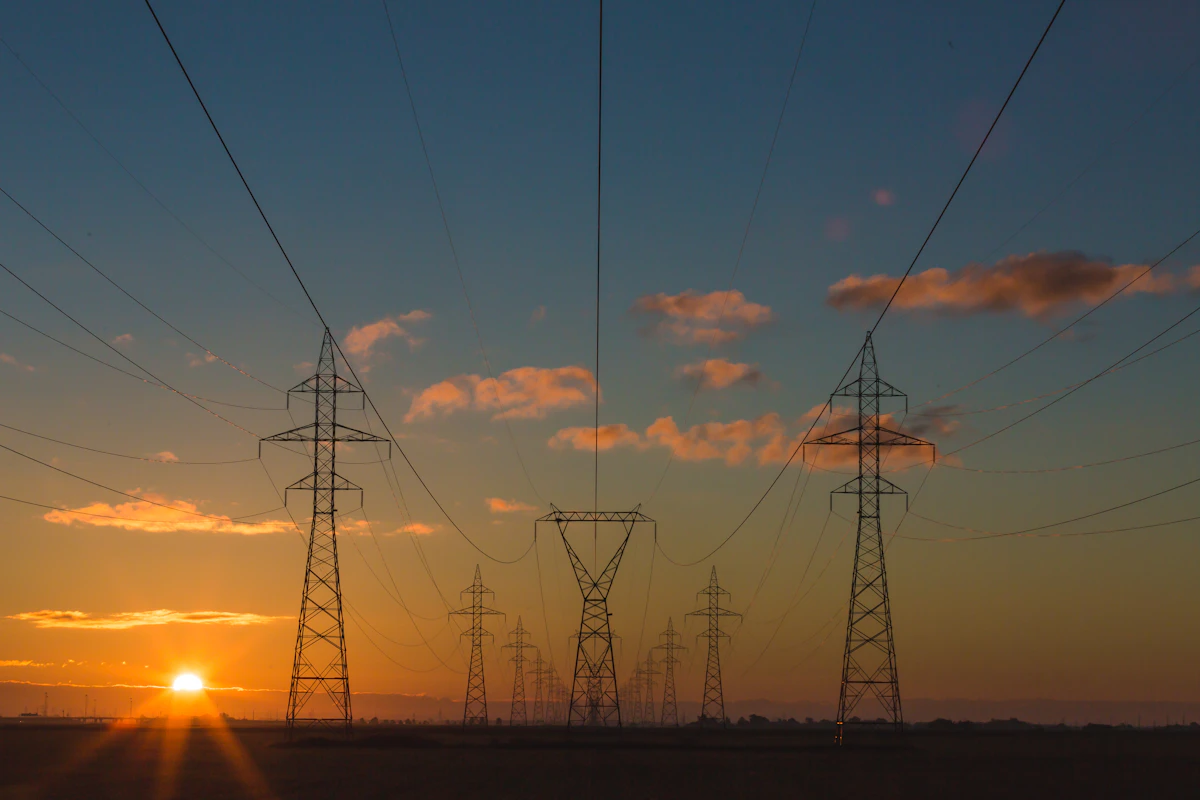
Image Source: Unsplash - A typical residential solar installation, often the first step after researching government incentives.
What to Expect on a Solar Panel Government Portal
So, what exactly will you find when you click on that official .gov or .eu link? Understanding the structure can save you hours. Typically, a comprehensive solar panel government website will include:
- Incentive Databases: Lists for federal tax credits (like the U.S. Investment Tax Credit), state or local rebates, and grant programs.
- Net Metering Policies: Detailed rules on how you can sell excess solar electricity back to the grid, a key factor in your system's economics.
- Permitting Guidelines: Information on the required permits for your area, which can vary widely even between neighboring counties.
- Certified Installer Lists: Some government sites provide directories of pre-vetted or certified installation companies.
- Technical Requirements: Specifications for equipment, grid interconnection, and safety standards.
The data here is vital, but it's static. It tells you "what" is available, but rarely the "how" of integrating it seamlessly with a high-performance energy system. For instance, a rebate might cover panels, but what about the system that stores and manages that energy for use at night or during an outage?
From Information to Installation: The Highjoule Advantage
This is where expertise transforms information into power. At Highjoule, we've been bridging this gap since 2005. We understand that a successful solar project isn't just about panels on a roof; it's about an intelligent, integrated energy ecosystem. While your solar panel government website outlines the rules and rebates, Highjoule provides the technology and strategy to maximize them.
Our role begins where the government portal ends. We help commercial, industrial, and residential clients design systems that not only qualify for available incentives but are also future-proof. For example, a government incentive might make solar affordable, but pairing it with a Highjoule battery storage system unlocks true energy independence and resilience.
- For Homes: Our Residential Energy Hub integrates solar, battery storage, and AI-driven energy management. It ensures you use your solar power when it's most valuable, reducing reliance on the grid and maximizing the return from net metering policies you read about online.
- For Businesses & Industry: Highjoule's Commercial & Industrial (C&I) Solutions are engineered for scale and savings. We design systems that manage demand charges, provide backup power, and help meet corporate sustainability (ESG) goals, all while navigating complex commercial incentive structures.
- For Microgrids: We develop turnkey, smart microgrid solutions that can operate independently from the main grid, a critical capability for campuses, remote communities, or critical infrastructure, often supported by specific government grants for energy resilience.
Case Study: A German Business Powers Up with Government Help
Let's look at a real-world example from Bavaria, Germany. A mid-sized manufacturing plant was facing volatile energy prices and wanted to stabilize costs and reduce its carbon footprint. Their team started, as most do, on the solar panel government website—in this case, the Federal Office for Economic Affairs and Export Control (BAFA) and KfW development bank portals.
They identified an investment grant for solar and storage. However, the challenge was designing a system that met the precise technical requirements for the grant while also addressing the plant's specific load profile: high energy usage during daytime operations, with some weekend shifts.
The Highjoule Solution: We partnered with a local installer to deploy a 250 kW rooftop solar array coupled with a 500 kWh Highjoule H-Cube containerized battery storage system. Our energy management software was programmed to:
- Prioritize direct solar consumption during production hours.
- Store excess energy for use during evening shifts and cloudy periods.
- Participate in Germany's primary control reserve market during weekends, creating an additional revenue stream.
The Data-Driven Outcome: The system qualified for the maximum BAFA grant. Within the first year, the plant achieved:
| Metric | Result |
|---|---|
| On-site Energy Consumption | Increased from 35% to 68% |
| Annual Energy Cost Savings | €72,000 |
| Annual Revenue from Grid Services | €15,000 |
| Carbon Emissions Reduction | Equivalent to 185 tons of CO₂ |
This case shows that the information on the solar panel government website was the seed, but the sophisticated integration and smart management provided by Highjoule were the water and sunlight that made it flourish.

Image Source: Unsplash - A technician inspecting a modern battery energy storage system, a key component for maximizing solar investment.
Beyond the Rebate: Maximizing Your Solar Investment
Government incentives are designed to lower the initial capital barrier. But the long-term value of your solar investment is determined by the intelligence and reliability of the entire system. Think of it this way: the rebate helps you buy the car, but the engineering determines its fuel efficiency, safety, and performance for years to come.
This is Highjoule's core expertise. Our systems are built with advanced lithium-iron-phosphate (LFP) battery chemistry for safety and longevity. More importantly, our proprietary Energy Operating System (EOS) acts as the brain of your installation. It continuously learns your energy patterns, weather forecasts, and utility rate schedules to autonomously optimize when to store solar energy, when to use it, and when to interact with the grid. This turns a static solar array into a dynamic financial and operational asset.
When reviewing information on your solar panel government website, ask yourself: does this incentive support a system that merely generates energy, or one that intelligently manages it? The difference is the difference between a good investment and a transformative one.
Your Next Step in the Solar Journey
You've taken the first, critical step by researching. You know that the official solar panel government website is your map to potential savings. Now, the journey begins toward a truly resilient and efficient energy future. The landscape of energy is shifting from passive consumption to active, intelligent management.
What specific energy challenge—be it unpredictable bills, grid instability, or a sustainability target—is driving you to consider solar today, and how could an intelligent storage system transform that challenge into an opportunity for your home or business?
 Inquiry
 Online Chat