


Maximizing Your Return: Why a Smart Solar Panel Management System is Non-Negotiable
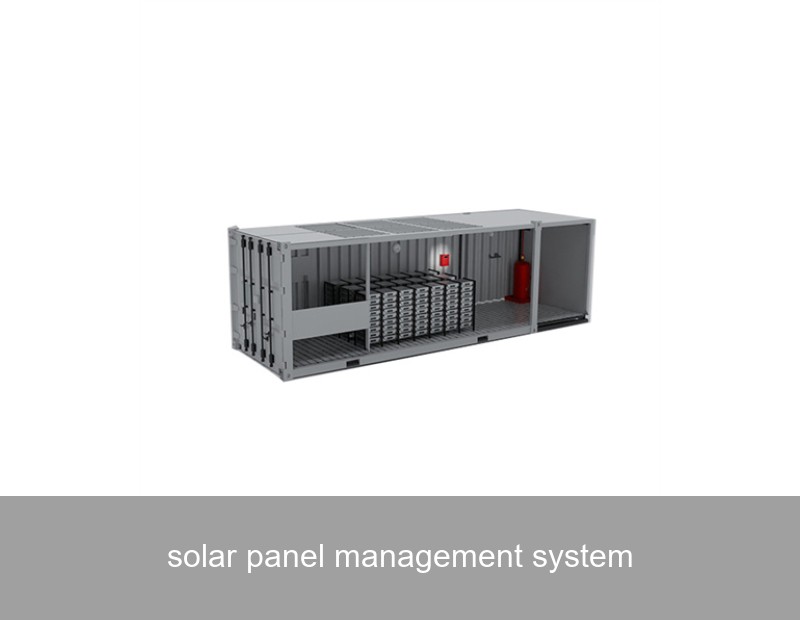
You made a smart, sustainable choice by installing solar panels. You envisioned lower bills, energy independence, and a reduced carbon footprint. But here's a question many system owners rarely ask: "Is my solar array performing at its absolute best?" The truth is, simply having panels on your roof isn't the end goal. The real key to unlocking their full potential lies in a sophisticated solar panel management system. Think of it not just as monitoring software, but as the central nervous system for your entire renewable energy setup. It's what transforms a static installation into a dynamic, intelligent, and revenue-optimizing asset. For businesses and homeowners across Europe and the US, this shift from passive generation to active management is where the true financial and environmental rewards are harvested.
What is a Solar Panel Management System?
At its core, a solar panel management system is an integrated suite of hardware and software that continuously monitors, analyzes, and controls your photovoltaic (PV) system. Gone are the days of a simple production meter. Modern systems provide panel-level or string-level insights, track efficiency, flag faults instantly, and can even automate energy decisions—like when to store power or send it back to the grid. It's the difference between knowing you produced "some" energy today and understanding exactly how much each panel produced, why one underperformed by 5% at 2 PM, and how to re-route power to avoid peak tariffs tomorrow.
The Invisible Problem: Why Your Panels Aren't Performing
The phenomenon is common: a system seems to be working fine. The lights are on, and the meter is spinning. But beneath the surface, issues silently erode your returns. A layer of dust, a single shaded panel, a minor wiring fault, or a slightly underperforming inverter module can have a cascading effect. In a traditional setup without detailed management, these problems can persist for months. You might lose 10-20% of your expected generation without ever realizing it. This isn't just about a minor dip in output; it's about the long-term degradation of your asset's value and an extended payback period on your investment.
Common Culprits a Good Management System Catches:
- Soiling & Debris: Dust, pollen, or bird droppings on even a few panels.
- Partial Shading: From new tree growth or seasonal sun angle changes.
- Module Degradation & Mismatch: Panels aging at different rates.
- Inverter Inefficiency: Suboptimal conversion from DC to AC power.
- Grid Interaction Issues: Poor timing of export/import against variable tariffs.
Data Doesn't Lie: The Financial Impact of Poor Management
Let's talk numbers. The National Renewable Energy Laboratory (NREL) highlights that soiling alone can cause average annual energy losses of up to 7% in the US, with much higher spikes in arid regions. In Europe, a study by SolarPower Europe suggests that unaddressed minor faults and suboptimal operations can reduce the lifetime yield of a commercial PV system by over 15%. For a 100 kW commercial installation, that could translate to tens of thousands of euros or dollars in lost revenue over 20 years. This isn't speculation; it's quantifiable waste that a robust solar panel management system is designed to prevent.
| Issue | Potential Generation Loss | Management System Action |
|---|---|---|
| String Fault | Up to 30% of a section | Immediate alert, pinpoint location for repair |
| Consistent Soiling | 3-7% annually | Performance trend analysis, cleaning schedule alert |
| Inverter Clipping | 1-3% during peak sun | Performance modeling, potential upgrade recommendation |
| Non-Optimal Battery Cycling | Reduces savings by 5-15% | AI-driven charge/discharge scheduling based on weather & tariffs |
Case Study: A Brighton Warehouse's Turnaround
Consider the real-world example of a logistics warehouse in Brighton, UK. They had a 250 kW rooftop solar installation for three years. While energy bills dropped initially, they plateaued. The facility manager assumed this was "just how it works." In 2023, they partnered with Highjoule to integrate our Intelligrid Energy Management Platform as their advanced solar panel management system.
The system's granular monitoring identified two key issues within the first week: 1) Three inverter strings were consistently underperforming by 18% due to a combination of shading from a newly installed vent and a wiring connection issue. 2) The existing, simple controller was exporting all excess solar to the grid during the middle of the day when export tariffs were lowest.

Image Source: Unsplash - Representative image of a commercial solar installation.
By rectifying the faults and using Intelligrid's AI to shift battery charging to solar peaks and discharge during high-tariff evening periods, the results were striking. The site's self-consumption of solar power increased by 40%, and its overall energy cost savings rose by an additional 22% in the first year post-optimization. The management system paid for itself in under 10 months, transforming a stagnant asset into a growing source of value.
Beyond Basics: What a Modern Solar Panel Management System Does
A cutting-edge system today goes far beyond fault detection. It's an optimization engine. For systems with storage, it intelligently decides when to store energy, when to use it, and when to sell it back for maximum profit, using real-time weather forecasts and dynamic electricity pricing data. It provides health diagnostics and predictive maintenance alerts, much like a modern car's onboard computer. This proactive approach, championed by leaders like Highjoule, minimizes downtime and extends the lifespan of your entire solar + storage investment.
Key Features to Look For:
- Granular Monitoring: Panel-level or string-level data, not just whole-system totals.
- Predictive Analytics: Uses AI to forecast production and optimize storage schedules.
- Open Integration: Works seamlessly with various inverter and battery brands (no vendor lock-in).
- Grid Services Readiness: Can aggregate and control assets to participate in grid flexibility programs.
- User-Centric Interface: Clear, actionable insights for owners, not just engineers.
Highjoule's Intelligrid: The Brain for Your Solar Ecosystem
This is where Highjoule's expertise transforms theory into tangible results. Our Intelligrid Energy Management Platform (EMP) is the embodiment of a next-generation solar panel management system. Designed for commercial, industrial, and microgrid applications, Intelligrid doesn't just watch—it learns and commands.
For a solar installation, Intelligrid acts as the unifying brain. It integrates data from every component—panels, inverters, Highjoule's own high-efficiency battery storage systems, and even other generation sources. Its algorithms then make real-time decisions to maximize self-consumption, financial return, and grid stability. Whether you have an existing solar array needing a performance boost or are planning a new turnkey system, Highjoule provides the intelligent control layer that ensures you get every kilowatt-hour of value you paid for. Our services include system design, technology-agnostic integration, ongoing performance management, and access to energy market opportunities.
Image Source: Unsplash - Representative image of an energy management dashboard.
Future-Proofing Your Solar Investment
The energy landscape is shifting from static, one-way flows to dynamic, interactive networks. With the rise of volatile energy prices and the push for grid decarbonization, as noted by the International Energy Agency (IEA), the ability to actively manage your distributed energy resources is becoming a critical business competency. A sophisticated solar panel management system is your gateway to this future. It prepares your asset to participate in demand response programs, virtual power plants (VPPs), and other revenue-generating grid services, turning your solar installation from a cost-saver into a potential profit center.
So, the pivotal question isn't just "Are my panels working?" but rather, "Is my solar investment working as hard and as smart as it possibly can for my financial and sustainability goals?" The difference between these two questions is precisely what defines the value of intelligent management.
 Inquiry
 Online Chat