


Understanding Solar Panel Manufacturing Equipment Cost: A Key to a Sustainable Future
When we talk about the solar energy revolution, we often focus on the gleaming panels on rooftops or vast solar farms. But the true engine of this transformation is hidden away in factories. The solar panel manufacturing equipment cost is a critical, though often overlooked, factor that directly impacts how quickly and affordably we can transition to clean energy. For businesses, investors, and even end consumers, understanding this cost structure is key to grasping the future of energy. At Highjoule, we see this firsthand: our advanced battery energy storage systems (BESS) are the perfect partner to solar, storing its intermittent power for reliable use. But it all starts with efficient, cost-effective manufacturing. Let's pull back the curtain on the production line.
The Cost Breakdown: Where Does the Investment Go?
Setting up a solar panel production line is a significant capital expenditure (CapEx). It's not just about buying a single machine; it's about integrating a complex, sequential process. The major cost centers include:
- Ingot & Wafer Production: This initial stage involves processing raw polysilicon into crystalline ingots and then slicing them into ultra-thin wafers. Equipment like directional solidification furnaces (DSF) and diamond wire saws are major investments, representing a substantial portion of the solar panel manufacturing equipment cost.
- Cell Production: Here, wafers are transformed into functional photovoltaic cells. This involves diffusion furnaces for creating the p-n junction, screen printers for applying conductive grids, and plasma-enhanced chemical vapor deposition (PECVD) machines for anti-reflective coatings. Precision and efficiency here directly dictate cell performance.
- Module Assembly: This is where cells are interconnected, laminated, framed, and fitted with junction boxes. Key equipment includes stringers and layup stations, lamination ovens, and framing machines. While sometimes seen as less high-tech, automation in this segment is crucial for throughput and reducing labor costs.
According to industry analyses, for a state-of-the-art gigawatt-scale factory, the total solar panel manufacturing equipment cost can range from $50 million to over $100 million, depending on the level of automation, technology choice (like PERC, TOPCon, or HJT), and local supply chain factors. This upfront cost is, however, being steadily driven down by innovation and economies of scale.
The Driving Trends: Scale, Tech, and Location
Three powerful forces are shaping the solar panel manufacturing equipment cost landscape:
- Economies of Scale: Larger factories spreading fixed costs over more panels. A 5-GW plant has a significantly lower per-watt equipment cost than a 500-MW facility.
- Technological Evolution: Newer cell architectures like TOPCon and Heterojunction (HJT) require more sophisticated and initially more expensive equipment. However, they offer higher efficiency, meaning more power from the same amount of silicon, which can justify the higher solar panel manufacturing equipment cost over the product's lifetime.
- Geopolitical & Policy Shifts: With initiatives like the U.S. Inflation Reduction Act (IRA) and Europe's Net-Zero Industry Act, there's a strong push for localized manufacturing. This reshoring can affect costs, as new supply chains for equipment and components are established outside of traditional hubs. The long-term goal is resilient, regional supply chains.
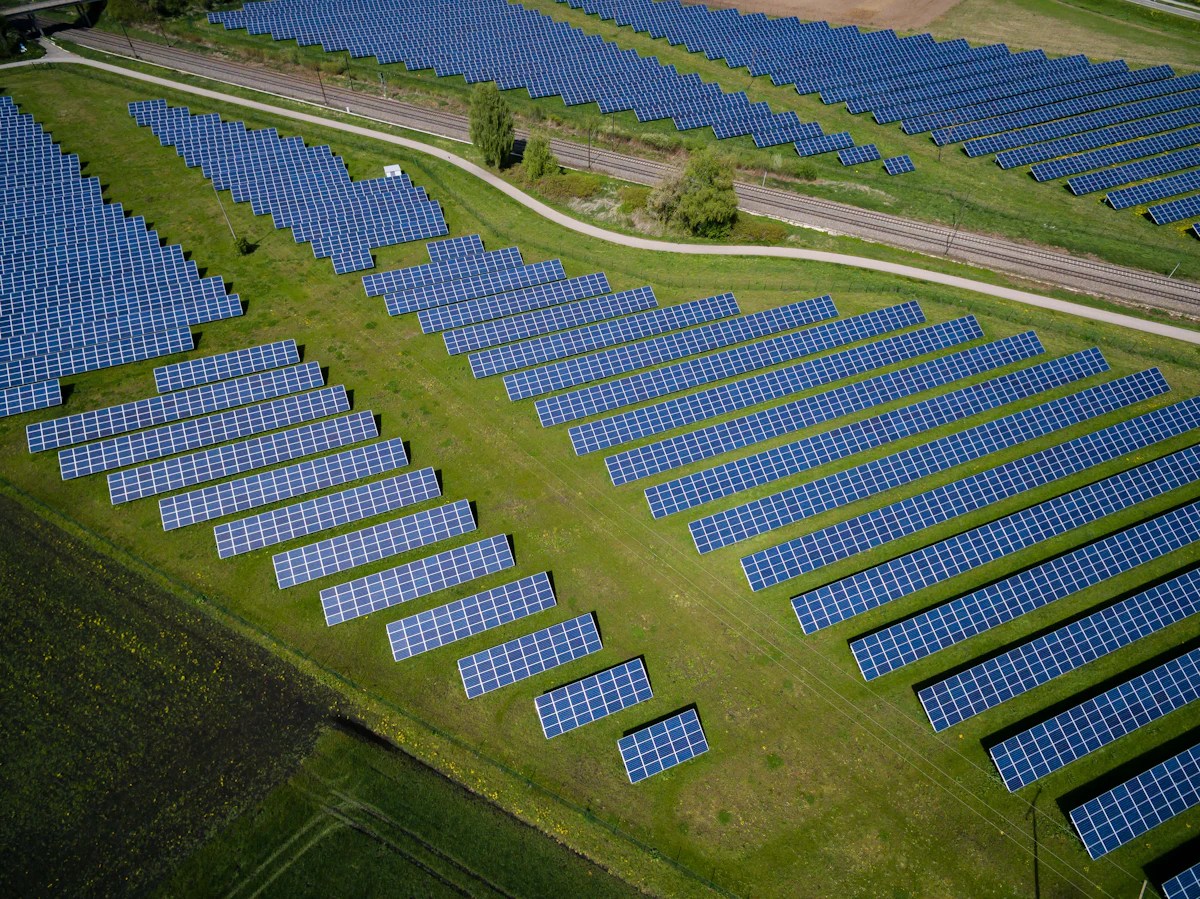
Image: Automation is key to managing solar panel manufacturing equipment costs and ensuring consistent quality. (Source: Unsplash, representative image)
Case Study: A U.S. Manufacturer's Strategic Investment
Let's look at a real-world example. In 2022, a major solar manufacturer announced a new 2.5-GW facility in the Southeastern United States. The total project investment was pegged at approximately $680 million. While this includes land and building, a significant share—estimated at around $140-$170 million—was allocated to solar panel manufacturing equipment cost.
Their strategy was clear: invest in high-efficiency TOPCon cell technology from the outset. Although the per-watt equipment cost for TOPCon lines was about 15-20% higher than for standard PERC lines at the time, the decision was driven by long-term value. The higher efficiency panels (over 22.5%) commanded a premium price and reduced balance-of-system costs for installers (fewer panels, less labor for the same power output). Furthermore, the facility's location qualified it for domestic content incentives under the IRA, improving the overall financial model.
This case highlights a crucial insight: the focus is shifting from minimizing the solar panel manufacturing equipment cost at all costs to optimizing the total cost of ownership and the value of the final product. This is a mature industry mindset.
Looking Beyond the Production Line: The System Value
For end-users—whether a homeowner in Germany, a factory in Poland, or a microgrid in California—the solar panel manufacturing equipment cost is a distant concern. Their focus is on total energy cost, reliability, and sustainability. This is where the manufactured panels meet real-world energy systems, and where companies like Highjoule create immense value.
Efficiently manufactured solar panels produce low-cost electrons, but only when the sun shines. To unlock their full potential, this energy must be stored and managed. Highjoule's intelligent battery storage systems, such as our H-Series for Commercial & Industrial applications and EcoHome system for residential use, are designed to seamlessly integrate with solar arrays of all sizes.
- Maximizing Self-Consumption: Store excess solar generation during the day for use at night, dramatically increasing the utility of every panel produced.
- Grid Services & Stability: For larger installations, our utility-scale GridMax BESS can help stabilize grids increasingly powered by variable renewables, providing frequency regulation and backup power.
- Long-Term ROI: By pairing solar with a Highjoule storage system, businesses can achieve greater energy independence, hedge against volatile energy prices, and meet sustainability targets—improving the return on their entire energy asset investment.
In essence, advancements in manufacturing that lower panel costs make the case for solar+storage even stronger. The two technologies are synergistic partners in the clean energy transition.
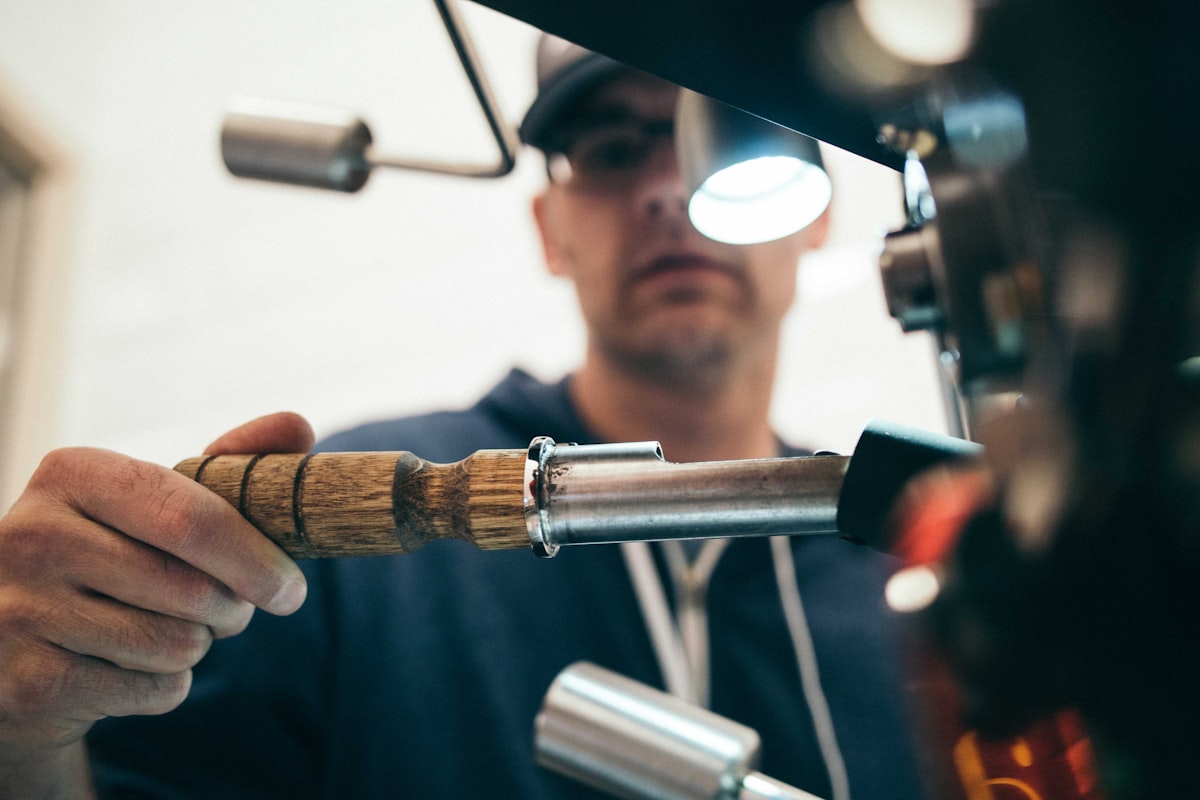
Image: The end goal: reliable, stored solar power for homes and businesses. (Source: Unsplash, representative image)
The Future of Manufacturing & Storage Synergy
The trajectory is clear. Solar panel manufacturing equipment cost will continue to be optimized, driven by smarter automation, higher efficiencies, and localized supply chains. This will make solar the undisputed lowest-cost source of new electricity in most of the world. But the next frontier isn't just making cheaper panels; it's about creating fully integrated, intelligent energy ecosystems.
Imagine a future where a solar panel factory itself is powered by its own rooftop solar array coupled with a massive Highjoule BESS, reducing its operational costs. Or where every new residential development comes pre-wired with a combined solar and storage system, designed to operate as a virtual power plant. The innovations on the factory floor directly enable these visions.
For a deeper dive into global solar manufacturing trends and cost projections, you can review reports from authoritative sources like the International Energy Agency (IEA) or National Renewable Energy Laboratory (NREL).
Your Energy Future
Whether you are a policy maker evaluating incentives for local manufacturing, a business owner considering a solar-plus-storage installation, or a homeowner curious about the technology on your roof, understanding the full chain—from solar panel manufacturing equipment cost to the value of stored energy—is empowering. At Highjoule, we're committed to providing the storage solutions that make every kilowatt-hour of solar power more valuable and reliable.
Given the rapid evolution in both manufacturing and storage technology, what role do you see integrated solar-plus-storage systems playing in your community's or business's energy resilience over the next five years?
 Inquiry
 Online Chat