


Harnessing the Power of a Solar Panel Wind Turbine Hybrid System
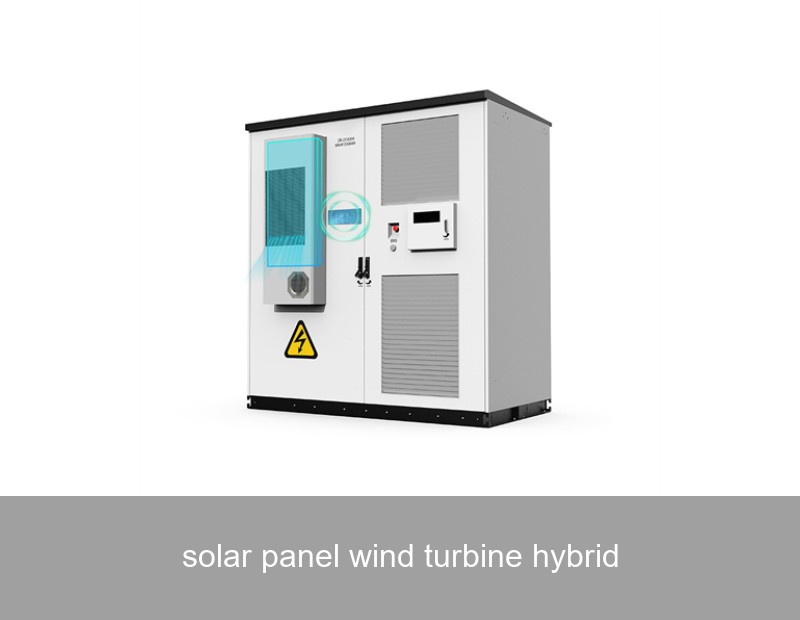
Imagine a day where the sun is shining brightly, and your solar panels are producing at their peak. Now, imagine that evening, as the sun sets, a steady breeze picks up, seamlessly powering your home through the night. This isn't a futuristic dream; it's the practical reality of a solar panel wind turbine hybrid system. For homeowners and businesses across Europe and the US looking to achieve true energy independence, combining these two complementary renewable sources is a game-changer. However, the key to unlocking its full potential lies not just in the generation, but in intelligent storage and management. This is where advanced energy storage systems, like those pioneered by Highjoule, become the indispensable brain and battery of your hybrid power setup.
Table of Contents
- The Intermittency Challenge: When Sun and Wind Let You Down
- The Data Behind the Synergy: More Than the Sum of Its Parts
- The Intelligent Solution: Beyond Simple Battery Boxes
- Case Study: A Scottish Farm's Journey to 95% Grid Independence
- Highjoule's Role: The Orchestrator of Your Hybrid Energy
- Is a Hybrid System Right for You?
The Intermittency Challenge: When Sun and Wind Let You Down
Let's be honest: solar power has its off hours (nighttime and cloudy days), and wind energy can be notoriously unpredictable (think calm, hot summer days). Relying on a single renewable source often means you're still frequently drawing power from the grid or, worse, relying on a backup diesel generator. This undermines both your economic savings and your environmental goals. The solar panel wind turbine hybrid concept directly addresses this. Their generation profiles often complement each other seasonally and diurnally. But here's the catch: this creates a more complex, variable stream of electricity. Without a sophisticated system to manage it, you can end up with wasted energy or frustrating power gaps.

Image Source: Unsplash (Representative image of hybrid renewable energy)
The Data Behind the Synergy: More Than the Sum of Its Parts
The synergy isn't just theoretical. Studies and real-world data show a marked improvement in reliability. For instance, research indicates that in many temperate regions like Northern Europe and the Northern US, wind speeds tend to be higher in the winter and during nighttime, precisely when solar irradiance is at its lowest. By combining both, you can flatten the "duck curve" of energy production and create a more consistent year-round supply. A report by the National Renewable Energy Laboratory (NREL) highlights that hybrid systems can significantly reduce the need for grid backup compared to single-source systems, sometimes by over 50%. This translates directly into higher self-consumption rates and greater resilience during grid outages.
Key Advantages of a Hybrid System:
- Increased Reliability: One source often compensates when the other is underperforming.
- Higher Energy Yield: Maximizes energy production across diverse weather conditions and seasons.
- Reduced Storage Requirements: With more consistent generation, you may require a smaller battery bank than you would for a solar-only system aiming for the same level of autonomy.
- Optimal Land/Resource Use: Makes the most of your property's unique renewable potential.
The Intelligent Solution: Beyond Simple Battery Boxes
So, you've installed both solar panels and a wind turbine. The electricity is flowing in. Now what? A simple battery is just a bucket. It fills up and empties. But a modern, intelligent Battery Energy Storage System (BESS) is the central nervous system of your hybrid setup. It doesn't just store energy; it makes millisecond-by-millisecond decisions: Should I charge from solar, wind, or both? Is grid electricity cheap right now? Should I power the home, sell back to the grid, or hold reserve for an expected peak demand? This level of control is what transforms an installation from a passive generator into an active, revenue-optimizing asset.
Case Study: A Scottish Farm's Journey to 95% Grid Independence
Consider the case of a mixed livestock and crop farm in the Scottish Highlands. Facing high grid costs and volatile energy prices, they installed a 50kW solar array and a 20kW wind turbine. Initially, they used a basic inverter and battery system but found themselves still reliant on the grid during prolonged, calm winter nights.
Their solution was to integrate a Highjoule H2-Series Commercial Energy Storage System. This system's advanced hybrid inverter is specifically designed to manage multiple DC inputs from different renewable sources simultaneously. Its AI-driven energy management software was configured to prioritize wind power at night and during storms, while solar took the lead during daylight hours. Any excess from either source was strategically stored.
| Metric | Before Highjoule BESS | After Highjoule BESS Integration |
|---|---|---|
| Annual Grid Dependency | ~45% | ~5% |
| Energy Self-Consumption | 60% | 94% |
| Payback Period (Estimated) | 12+ years | 7 years |
The result? The farm now operates at 95% grid independence, has virtually eliminated demand charges, and protects its critical operations like refrigeration and ventilation during frequent rural grid disturbances. The Highjoule system provided the missing piece: intelligent orchestration.
Highjoule's Role: The Orchestrator of Your Hybrid Energy
Since 2005, Highjoule has been at the forefront of solving complex energy challenges. We understand that a solar panel wind turbine hybrid system is more than just hardware; it's an integrated ecosystem. Our product suite is engineered to be the perfect partner for such setups:
- H2-Series (Commercial & Industrial): Featuring multi-MPPT hybrid inverters that can directly connect and manage both PV arrays and small-to-medium wind turbines. Their modular design allows for scalable storage from 30kWh to over 1MWh.
- HomePower+ (Residential): Our residential unit includes a sophisticated energy manager that can integrate with third-party wind systems, treating them as a unified input alongside solar. It learns your consumption patterns and weather forecasts to optimize dispatch.
- GridSynch Microgrid Controller: For larger installations or community projects, this platform can manage a mix of generation (solar, wind, genset), storage, and load, ensuring stability and maximizing renewable usage.
Our systems are built with cycler-rated LiFePO4 batteries for safety and longevity, and all are managed by our proprietary JouleBrain AI software. This platform is what makes the magic happen, dynamically balancing the variable inputs from your sun and wind resources against your consumption and grid conditions. You can monitor and control everything from a simple smartphone app, giving you unprecedented insight into your energy landscape.

Image Source: Unsplash (Representative image of a home energy management system)
Is a Hybrid System Right for You?
The decision to invest in a solar panel wind turbine hybrid system is significant. It requires an assessment of your local wind and solar resources, your energy consumption profile, and your long-term goals for resilience and sustainability. The right storage partner is not a commodity; it's the critical component that determines your system's intelligence, efficiency, and return on investment.
What does your site's renewable energy potential look like throughout the year, and how could an intelligent storage system like Highjoule's help you capture and utilize every possible kilowatt-hour?
 Inquiry
 Online Chat