


Solar Panels for Water Heating and Electricity: Your Complete Guide to a Dual-Powered Home
When you think of solar panels for water heating and electricity, you might picture two separate, clunky systems crowding your roof. But what if the same elegant array of photovoltaic (PV) panels could intelligently power your lights and heat your shower water? The modern approach to solar is evolving from single-purpose to multifaceted, maximizing every drop of sunshine that hits your home. This isn't just about saving on your electricity bill; it's about holistically managing your home's energy footprint, creating resilience, and achieving true energy independence. Let's explore how combining these functions is reshaping sustainable living in Europe and the US.
How the System Works: A Simple Breakdown
Traditionally, "solar thermal" systems (for hot water) and "solar PV" systems (for electricity) were distinct technologies. Today, while dedicated systems still exist, the most efficient strategy often involves an integrated setup using PV panels for both.
The Core Concept: High-efficiency solar PV panels generate direct current (DC) electricity from sunlight. This electricity is then converted to alternating current (AC) by an inverter to power your home. The "magic" for water heating happens in two primary ways:
- Using a Smart Diverted: A device like an immersion diverter or power diverter detects when your solar panels are generating surplus electricity—more than your home is currently using. Instead of sending this excess back to the grid (often for a low feed-in tariff), it automatically redirects it to an electric heating element in your hot water cylinder, heating your water for free.
- Heat Pump Integration: For even greater efficiency, your solar electricity can power an air-source or ground-source heat pump. Heat pumps extract ambient heat from the air or ground and use electricity to amplify it, providing both space heating and domestic hot water at efficiencies of 300-400%.

Image Source: Unsplash - Illustrating a modern home solar PV installation.
This intelligent use of on-site generation turns your hot water tank into a "thermal battery," storing energy for when you need it most.
Crunching the Numbers: The Tangible Benefits
The logic for combining functions is backed by compelling data. According to the U.S. Department of Energy, water heating alone accounts for about 18% of a typical home's energy use. Pair that with general electricity consumption, and you're tackling the lion's share of your utility bill.
| Benefit | Impact |
|---|---|
| Increased Self-Consumption | Diverting excess solar to heat water can increase your direct use of solar energy from ~30% to over 50-60%, drastically reducing grid reliance. |
| Higher Return on Investment (ROI) | By displacing both grid electricity and gas/oil for heating, the combined system pays for itself faster. |
| Reduced Carbon Footprint | You're eliminating emissions from fossil fuels used for both power and hot water generation. |
| Enhanced Energy Security | With backup storage, you maintain hot water and essential power during grid outages. |
A Real-World Case Study: A Sunny California Winery
Consider the example of a mid-sized winery in Napa Valley, California. Facing high costs for both process heating (for cleaning tanks and equipment) and facility electricity, they installed a 150 kW solar PV array. Instead of a separate solar thermal system, they integrated a smart diversion system and a large thermal storage tank.
- Data Point 1: The system generates an average of 210,000 kWh of electricity annually.
- Data Point 2: By diverting excess daytime solar to water heating, they now meet 85% of their hot water needs with solar, displacing a natural gas boiler.
- Result: Their overall energy costs dropped by 40% in the first year, with a projected payback period of under 6 years. They also significantly reduced their operational carbon emissions, aligning with their brand's sustainability ethos. This case mirrors the potential for commercial and industrial applications across Europe and North America.
The Smart Next Step: Integrating with Energy Storage
While using excess solar for hot water is brilliant, the sun doesn't shine at night. This is where advanced battery energy storage systems (BESS) complete the puzzle. A holistic home energy system now looks like this: Solar PV → Smart Inverter → Battery Storage & Water Heating Diversion.
This is where a partner like Highjoule becomes essential. As a global leader in advanced energy storage since 2005, Highjoule specializes in designing seamless systems that do more than just store power. Our ResiCore and CommerCore battery systems integrate with virtually any solar inverter and can be programmed with intelligent energy management software. This software prioritizes loads: first powering your home, then charging your battery, and then diverting surplus to heat your water. It ensures every kilowatt-hour you produce is used optimally.
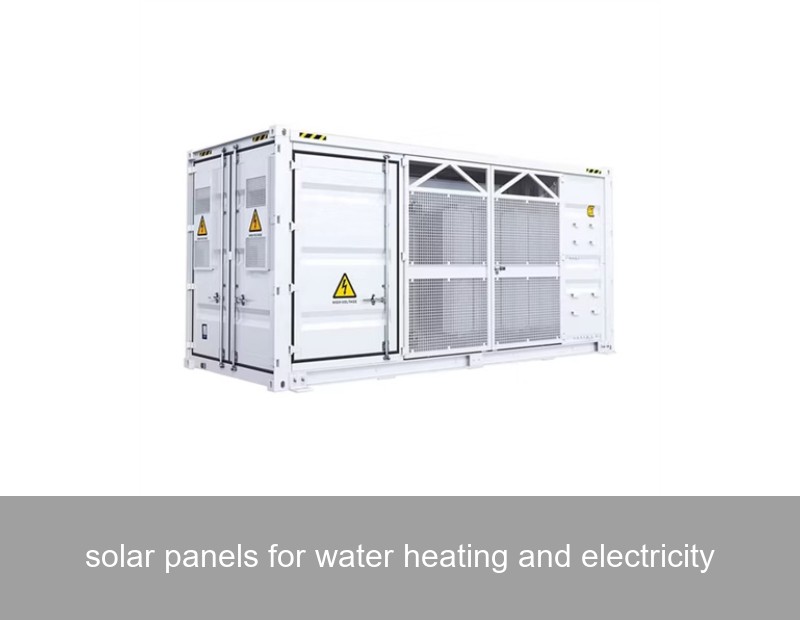
For larger applications like the winery or microgrids, Highjoule's Industrial and Microgrid Solutions provide scalable, containerized storage that can manage multiple loads, stabilize the grid, and ensure critical processes like refrigeration or heating never go offline.

Image Source: Unsplash - Showing a modern home battery installation.
According to a 2023 NREL report, pairing solar with storage and flexible thermal loads (like water heating) is key to achieving high levels of renewable penetration on the grid, benefiting both the individual and the community.
Is a Combined Solar System Right for You?
The decision to invest in solar panels for water heating and electricity, especially when coupled with storage, depends on your location, energy consumption patterns, and goals. Ask yourself these questions:
- Do I have a south-facing (in the Northern Hemisphere) roof area with good sun exposure?
- Is my current water heater electric or due for replacement?
- Do I experience frequent power outages or have a desire for energy independence?
- Are there local incentives, tax credits, or rebates for solar PV, storage, or heat pumps?
The technology is here, proven, and more accessible than ever. The move isn't just about installing panels; it's about designing an intelligent, integrated energy ecosystem for your home or business.
Your Home as a Personal Power Plant
Imagine a winter morning where the sun powers your coffee maker, charges your EV in the driveway, and ensures you have a hot shower—all while your battery stores enough energy to cook dinner. This isn't a distant future; it's achievable today with the right design and technology partners. Highjoule's expertise lies in making this integration reliable, efficient, and manageable through our monitoring platforms.
So, what's the first energy load in your home you would choose to power—and then heat—with the sun?
 Inquiry
 Online Chat