


Unlocking a Solar Philippines Franchise Opportunity: Power, Profit, and Sustainability
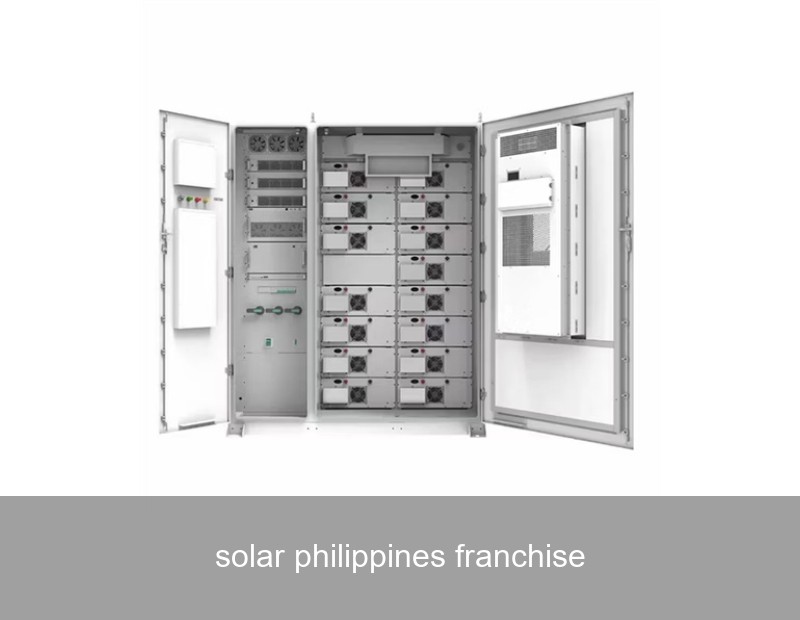
Imagine a business opportunity where you're not just selling a product, but providing a fundamental solution to a national need. In the Philippines, a perfect storm of abundant sunshine, rising electricity costs, and a strong push for energy security is creating an unprecedented market for solar power. For entrepreneurs, this translates into a compelling proposition: a solar Philippines franchise. But this isn't just about installing panels. The real value—and the key to a sustainable competitive advantage—lies in offering complete, intelligent energy systems. Let's explore why the future of this franchise model is intrinsically linked to advanced energy storage and smart management.
Table of Contents
The Phenomenon: Sun-Rich but Grid-Challenged
The Philippines is blessed with an average of 5 kWh/m² of solar irradiance daily, a resource that remains largely untapped. Yet, businesses and households face some of the highest electricity rates in Southeast Asia, coupled with grid reliability issues. The initial response has been a surge in solar PV installations. However, many early adopters hit a frustrating wall: their systems overproduce during peak sun hours, sending excess energy back to the grid for minimal compensation, only to buy back expensive power from the utility at night or during cloudy periods. This phenomenon reveals a critical gap in the traditional solar model.

This gap is where the modern solar Philippines franchise must evolve. Customers are no longer just asking for panels; they are demanding energy independence and bill predictability. They want their abundant solar energy to be available 24/7, not just when the sun shines. This shift in demand is the single most important trend for any franchisee to understand and capitalize on.
The Data: Why Solar-Only is No Longer Enough
Let's look at the numbers. According to the Department of Energy, the country aims to increase the share of renewables in the power generation mix to 35% by 2030 and 50% by 2040. While ambitious, this goal underscores a national priority. More tellingly, data from the International Energy Agency (IEA) highlights the variability of solar generation, which can drop significantly during the rainy season.
| System Type | Daytime Self-Consumption | Evening/Night Power Source | Grid Dependence During Outages |
|---|---|---|---|
| Solar-Only (No Storage) | High (30-50%) | 100% Grid | 100% Dependent (System shuts down) |
| Solar + Basic Battery | Very High (60-80%) | Partial Grid | Limited Backup (Essential loads only) |
| Solar + Advanced BESS (e.g., Highjoule) | Ultra High (80-95%+) | Minimal Grid | Full Backup Capability (Smart load management) |
The table illustrates the transformative leap provided by a Battery Energy Storage System (BESS). A franchise offering only solar PV is selling a partial solution. The real value—for the customer and the franchisee's bottom line—is in the complete package.
The Case Study: A Cebuano Business's Transformation
Consider "Seaside Suites," a mid-sized resort in Cebu. In 2022, they installed a 100kW solar array. Their daytime bills dropped, but their monthly savings plateaued because of high evening consumption from guests, air conditioning, and lighting. They were still vulnerable to brownouts, disrupting operations.
In 2023, they partnered with a forward-thinking solar provider who integrated a Highjoule HES-100 commercial energy storage system. Here's what changed:
- Energy Shifting: The system stores excess solar energy produced at noon and automatically discharges it during the 6 PM - 10 PM peak rate period.
- Bill Savings: Their overall electricity bill savings jumped from 25% (solar-only) to 68%.
- Reliability: During a scheduled grid maintenance outage, the resort's critical loads (reception, kitchen, hallway lighting) ran seamlessly for 8 hours on battery power, preventing an estimated ₱150,000 in lost revenue and guest dissatisfaction.
- ROI: The added investment for the BESS extended their system payback period by only 18 months, but the total lifetime savings and risk mitigation created a far more valuable asset.
This case is a blueprint for success. The solar provider didn't just sell hardware; they sold resilience and predictable costs, creating an immensely satisfied customer and a standout reference project. This is the power of a franchise model built on complete solutions.
The Future: Smart Storage as the Franchise Cornerstone
The next evolution is already here: smart, integrated systems. The most advanced solutions, like those from Highjoule, go beyond simple battery storage. They feature:
- AI-Powered Energy Management Systems (EMS): The system learns the site's consumption patterns and optimizes charging/discharging cycles for maximum financial return, not just basic backup.
- Scalable and Modular Design: Franchisees can offer solutions that grow with their customer's needs, from a small restaurant to a large factory.
- Remote Monitoring & Diagnostics: Franchise operators can proactively manage their installed base, offering premium service packages and identifying issues before the customer does.
This intelligence turns a capital expenditure into a smart investment for the end-user and creates recurring revenue streams for the franchisee through service and monitoring contracts. It's a win-win built on technology.
How Highjoule Empowers Solar Franchise Success
For a solar Philippines franchise aiming for market leadership, partnering with a proven technology provider is crucial. Highjoule, as a global leader in advanced储能系统 since 2005, provides the backbone for this next-generation franchise model. Our products are engineered for the demands of tropical climates and diverse applications.

Specifically, Highjoule supports franchise networks with:
- Residential Solutions (HES-Home Series): All-in-one units perfect for homeowners seeking independence from volatile utility rates and frequent outages.
- Commercial & Industrial (C&I) Solutions (HES-Commercial Series): Scalable, high-power systems designed for hotels, factories, and office buildings, enabling peak shaving and demand charge reduction.
- Microgrid-Ready Systems: For remote areas or campuses, our systems can form the core of an independent, renewable-powered microgrid.
- Comprehensive Training & Technical Support: We equip franchise partners with the knowledge to design, sell, and maintain these sophisticated systems, ensuring customer success and brand integrity.
By integrating Highjoule's smart storage, a solar franchise transitions from being an installer to becoming a trusted Energy Solutions Partner. This distinction is what drives premium pricing, customer loyalty, and sustainable business growth in a competitive market.
Your Move: The Next Step in Energy Entrepreneurship
The opportunity in the Philippine solar market is undeniable. However, the landscape is becoming crowded with basic panel providers. The key differentiator for a successful, future-proof solar Philippines franchise is the intelligence and resilience built into the offering. It's about solving the customer's core problem—cost and reliability—not just selling them a component of the solution.
So, as you evaluate this promising business avenue, ask yourself this crucial question: Will your franchise model offer customers a way to truly harness the sun 24 hours a day, or will it leave them dependent on the grid when they need power the most? The answer will define your market position for years to come.
 Inquiry
 Online Chat