


Solar Plate with Battery: Your Complete Guide to 24/7 Clean Power
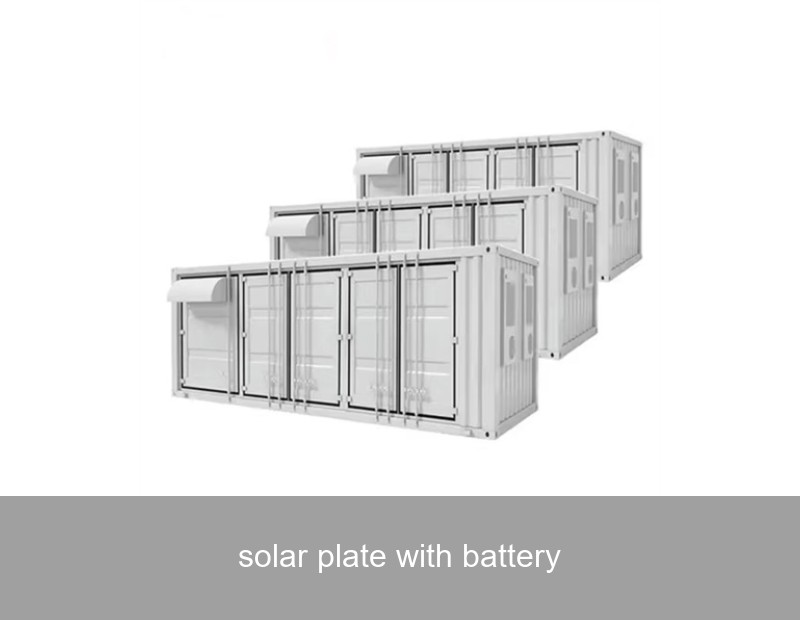
Imagine this: the sun is shining, your solar panels are humming, and your home is running smoothly on clean, free energy. But then, a cloud passes over, or the sun sets. Suddenly, you're back to drawing power from the grid, often at peak rates. This is the classic limitation of solar-only systems. But what if you could capture that midday surplus and use it on your terms, day or night? This is precisely the game-changing promise of a solar plate with battery—a seamlessly integrated system that harvests, stores, and manages solar energy for true energy independence. In this guide, we'll demystify how this technology works, why it's becoming a necessity, and how it can transform your relationship with energy.
What is a "Solar Plate with Battery"?
Let's clarify the terminology first. While "solar plate" is a common colloquial term for a solar panel or photovoltaic (PV) module, the heart of the system we're discussing is the solar photovoltaic system paired with a dedicated battery energy storage system (BESS). It's a powerful duo: the solar panels generate DC electricity from sunlight, and the battery system stores the excess energy that isn't used immediately. An intelligent inverter acts as the brain, converting DC to AC for your home and managing the flow of energy between the panels, battery, and grid.

Image: A modern solar and battery storage installation. Credit: Unsplash.
The Grid Phenomenon and the Data
Here's the core issue: solar generation and home energy demand are often out of sync. Data from the U.S. Department of Energy shows that solar production typically peaks around midday, while residential demand spikes in the early morning and evening. This creates the infamous "duck curve" — a deep dip in net grid demand during the day, followed by a steep ramp-up as the sun sets. For grid operators, this curve is a major challenge. For you, it means a lot of your valuable solar energy is exported to the grid at low feed-in tariffs, only to buy back expensive power later.
This is where the battery becomes your financial and energy resilience powerhouse. By storing your solar surplus, you can:
- Increase Self-Consumption: Use 60-80% of your solar energy directly, versus 30-50% with panels alone.
- Avoid Peak Charges: Power your home with stored energy during expensive peak-rate hours (often 4 PM to 9 PM).
- Gain Backup Power: Keep essential circuits running during grid outages—a concern growing in frequency across both the U.S. and Europe.
A Real Case Study from Bavaria
Let's look at a real-world example from southern Germany, a region with strong solar adoption. The Müller family in Bavaria installed a 8 kWp solar array in 2020. While they were happy with reduced bills, they were still exporting over 50% of their generation. In early 2023, they added a 10 kWh lithium iron phosphate (LFP) battery system.
| Metric | Before Battery (2022) | After Battery (2023) | Change |
|---|---|---|---|
| Grid Electricity Purchased | 2,800 kWh/year | 850 kWh/year | -70% |
| Solar Self-Consumption Rate | 48% | 92% | +44 points |
| Annual Electricity Cost | €1,050 | €320 | €730 saved |
| Outage Protection | None | Full-home backup for 24+ hours | Added resilience |
Their system paid for the battery addition in under 7 years, a timeline accelerated by Germany's high electricity prices and intelligent energy management. This case illustrates the transformative impact of moving from solar generation to solar storage and management.
The Anatomy of a Modern Solar + Battery System
Not all systems are created equal. A high-performance solar plate with battery setup consists of several key components working in harmony:
- High-Efficiency Solar Panels: The "plates." Monocrystalline panels are the current standard for their high efficiency and longevity.
- Smart Hybrid Inverter: The system's brain. It manages energy conversion (DC to AC) and decides whether to send power to the home, the battery, or the grid.
- Lithium-Ion Battery: The heart of storage. Lithium Iron Phosphate (LFP) chemistry is now preferred for its safety, long cycle life (often 6,000+ cycles), and stability. It's a key technology we've championed at Highjoule for years.
- Energy Management System (EMS): The nervous system. This software learns your usage patterns, integrates with weather forecasts, and optimizes charging/discharging to maximize savings and performance.
Highjoule: Your Partner in Energy Independence
This is where our expertise at Highjoule comes into play. Since 2005, we've been at the forefront of designing and manufacturing integrated energy storage solutions. We understand that a solar plate with battery isn't just about hardware; it's about intelligent, reliable, and safe energy autonomy.
Our Residential Energy Hub product line is designed specifically for this purpose. It features:
- Modular LFP Battery Design: Start with a base capacity (e.g., 5 kWh) and expand as your needs grow, up to 30 kWh or more.
- Built-In Hybrid Inverter: A seamless, all-in-one unit that simplifies installation and ensures perfect communication between components.
- Grid-Following & Grid-Forming Capabilities: Not only does it work with the grid, but it can also create a stable "microgrid" for your home during an outage—a critical feature most basic systems lack.
- Highjoule Energy OS: Our proprietary management software provides intuitive monitoring and control via a smartphone app, allowing you to set preferences, track savings, and receive updates.

Image: A modern home battery storage unit. Credit: Unsplash.
Key Considerations Before You Invest
Thinking of taking the plunge? Here are the key factors to discuss with your installer:
- Battery Capacity (kWh): This is your "energy tank." Size it based on your nightly energy use and desired backup duration. A typical home might start with 10-15 kWh.
- Power Rating (kW): How much power the battery can deliver at once. This determines how many appliances you can run simultaneously on backup power.
- Depth of Discharge (DoD) & Warranty: Quality batteries, like Highjoule's LFP units, allow a 90-100% DoD and come with a 10-year warranty guaranteeing a certain remaining capacity (e.g., 70% after 10 years).
- System Integration: Ensure the battery system is compatible with your existing or planned solar panels and inverter. An integrated solution from a single provider often offers the best performance and warranty coverage.
Beyond the Home: The Bigger Picture
Your solar plate with battery does more than just lower your bill. By forming a network of distributed energy resources, these systems collectively support grid stability. They can absorb excess renewable energy during the day and reduce strain during peak periods, a concept known as "peak shaving." In some markets, programs like virtual power plants (VPPs) allow homeowners to aggregate their stored energy and provide services to the grid, creating a potential new revenue stream. Highjoule actively participates in several such pilot programs in Europe and North America, helping to shape the future grid.
The journey to energy independence is both a personal and a collective step towards sustainability. With the right technology partner, you can move from being a passive consumer to an active "prosumer"—producing, managing, and consuming your own clean power. What will you power first when you take control of your energy?
 Inquiry
 Online Chat