


Solar Power Automatic Transfer Switch: Your Key to Uninterrupted Clean Energy
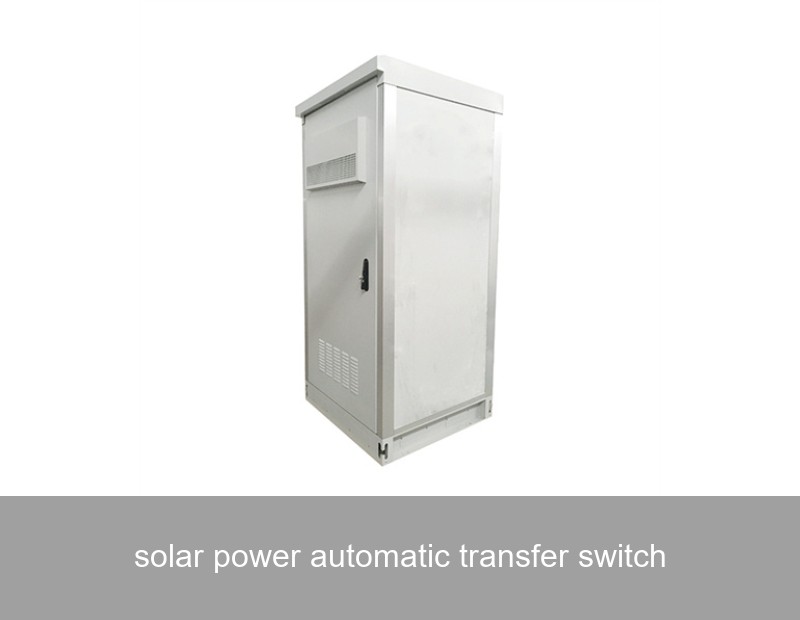
Imagine this: a storm rolls in, the grid power flickers and dies. In a typical home, darkness falls. But in a home with a solar-plus-storage system, the lights stay on—seamlessly. This magic isn't performed by the solar panels or batteries alone. The true orchestrator of this reliability is a critical yet often overlooked device: the solar power automatic transfer switch (ATS). For homeowners and businesses across Europe and the US investing in renewable energy, understanding this component is essential for achieving true energy resilience and maximizing the value of every kilowatt-hour generated.
What is a Solar Power Automatic Transfer Switch?
At its core, a solar power automatic transfer switch is an intelligent electrical device that acts as the decision-maker for your power supply. It continuously monitors the primary power source—typically the utility grid. The moment it detects an outage, a significant voltage drop, or an unsafe condition, it automatically and safely disconnects your home or facility from the grid. Then, in a fraction of a second, it transfers the critical electrical loads to a secondary source: your solar-charged battery storage system.
Think of it as a highly attentive traffic controller at a complex intersection. Under normal conditions, it directs grid power smoothly to your household circuits. When the grid road is blocked, it instantly redirects traffic onto the clear, local road of your backup power system, preventing any collision (backfeed) and ensuring a continuous flow of electricity.
Why It Matters: Beyond Simple Backup
The phenomenon of increasing grid instability is hard to ignore. From extreme weather events in the US Midwest and coastal regions to grid congestion in parts of Europe, power interruptions are a growing concern. The data underscores this trend. According to the U.S. Energy Information Administration, the average US customer experienced just over 5 hours of power interruptions in 2020. For businesses, even short outages can mean significant financial loss and operational disruption.
This is where a solar ATS transforms the role of your photovoltaic system. Without it, most grid-tied solar installations are required to shut down during a blackout for safety reasons—a concept known as "anti-islanding." This means even with the sun shining, your panels won't power your home during a grid failure. An ATS, integrated with a capable battery system, unlocks the full potential of your solar investment, turning it into a reliable 24/7 power source.
How It Works: The Intelligent Gateway
The operation of a modern solar ATS is a sophisticated dance of sensing, communication, and action. Here’s a simplified breakdown:
- Constant Monitoring: The ATS monitors grid voltage and frequency 24/7.
- Fault Detection: Upon detecting an outage or irregularity, it sends an immediate signal to the hybrid inverter or energy management system.
- Islanding & Transfer: It physically opens the connection to the grid, creating a safe "island" of your home's electrical system. It then closes the connection to the battery backup circuit.
- Seamless Transition: This entire process happens within 10 to 50 milliseconds—so fast that digital clocks and most appliances won't even notice.
- Reconnection: Once stable grid power is restored for a predetermined period, the ATS safely reconnects to the utility and transfers loads back, allowing your batteries to recharge.

Image: A modern electrical panel with switching equipment. Source: Unsplash
A Real-World Case Study: Reliability in Action
Consider a medium-sized dairy farm in Bavaria, Germany. The farm installed a 50 kW solar array with a 100 kWh battery storage system, centrally managed by an advanced automatic transfer switch. Their primary concerns were preserving milk refrigeration and automated feeding systems during frequent grid fluctuations in their rural area.
In one documented 12-month period, the ATS activated 17 times due to short grid outages or severe voltage sags. The cumulative downtime prevented was over 14 hours. Crucially, during a 5-hour winter outage, the system maintained all critical operations. The farm estimated avoiding spoilage and operational losses exceeding €8,500. The transfer switch ensured that the solar energy captured during the day was instantly available at night to power the essential loads, proving the system wasn't just an energy saver but a business continuity asset.
Choosing the Right System: Key Considerations
Not all transfer switches are created equal. When integrating one with your solar and storage system, consider these factors:
| Feature | Why It's Important |
|---|---|
| Transfer Speed | Faster transition (sub-100ms) prevents sensitive electronics like computers and medical devices from shutting down. |
| Power Rating | Must match or exceed the total load you intend to back up. Undersizing can cause failure. |
| Communication Capability | Should integrate seamlessly with your inverter and battery management system (BMS) for coordinated action. |
| Safety Certifications | Look for UL 1008 (US) or equivalent regional standards. This ensures it safely interrupts fault currents. |
| Load Management | Advanced models can prioritize or shed non-critical loads to extend backup duration during prolonged outages. |
The Highjoule Solution: Seamless, Intelligent Power Management
This is where Highjoule's expertise comes into play. Since 2005, we've understood that a resilient energy system is more than the sum of its parts. Our HES Series Home Energy Systems and CMB Commercial Microgrid Boxes are designed with intelligent transfer switching at their core. We don't treat the ATS as an add-on; it's a fully integrated component of our energy management platform.
Our systems feature proprietary GridSync™ ATS technology that doesn't just react to outages—it anticipates problems. By analyzing grid health data, it can sometimes prepare the system for a potential disturbance. Furthermore, it allows for flexible configuration: you can choose which circuits are "critical" for instant backup and which can be cycled to conserve energy. For our commercial clients, this granular control is vital for managing demand charges and participating in grid service programs, turning energy resilience into a potential revenue stream.
Highjoule's approach ensures that the transition between grid, solar, and battery power is not only seamless but also optimized for cost and efficiency every single day, not just during emergencies.

Image: A modern home equipped with solar panels, representing energy independence. Source: Unsplash
The Future of Energy Independence
As we move towards a decentralized energy model, the role of the automatic transfer switch evolves from a simple backup device to the brain of a building's microgrid. It will increasingly manage power flows from multiple sources: the grid, solar, batteries, and even local wind generation. The next generation of this technology, which Highjoule is actively developing, will enable peer-to-peer energy sharing within communities while always maintaining safety and stability.
The question for homeowners and business leaders is no longer just about generating clean energy, but about how intelligently you can control and rely on it. When the lights go out on your street, will your solar investment go dark with it, or will it be the moment it truly shines?
What's the first circuit you would prioritize to keep powered during an outage, and how would that choice reflect what you value most in your daily life or business operations?
 Inquiry
 Online Chat