


Solar Power Panels and Batteries: The Complete Guide to Energy Independence
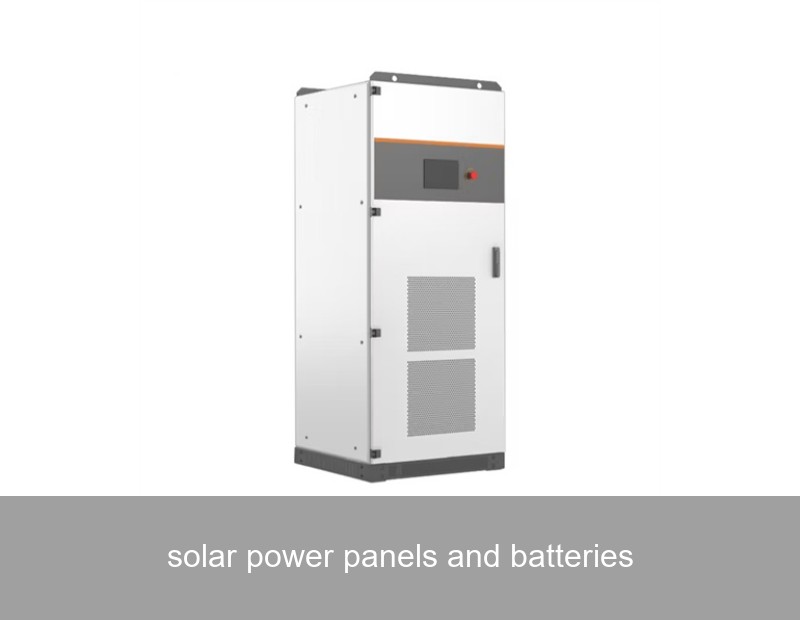
Have you ever watched your electricity meter spin backwards on a sunny day, only to pay a premium for power from the grid that same evening? This common experience highlights the central challenge of renewable energy: solar power panels and batteries are not just separate components, but two halves of a complete system for true energy resilience. While solar panels capture abundant daylight, it's the battery that unlocks its full potential, transforming sunlight into a reliable, 24/7 power source. For homeowners and businesses across Europe and the U.S., integrating these technologies is no longer a futuristic concept but a practical solution for managing energy costs, increasing self-sufficiency, and contributing to a stable grid. As a leader in advanced energy storage, Highjoule has been at the forefront of this integration since 2005, designing intelligent systems that make solar power panels and batteries work in perfect harmony.
Table of Contents
- The Solar Generation Gap: Why Panels Aren't Enough
- The Indispensable Role of the Modern Battery
- System Synergy: How Panels and Batteries Work Together
- Real-World Impact: A Case Study from Bavaria
- Choosing Your System: Key Considerations
- The Future is a Two-Way Street: Your Role in the Smart Grid
The Solar Generation Gap: Why Panels Aren't Enough
The phenomenon is straightforward: solar panels produce maximum output during peak daylight hours, often coinciding with lower household energy demand. In many regions, this creates a surplus fed back to the grid. Conversely, energy demand peaks in the early morning and evening—times when solar production is low or nonexistent. This creates a reliance on grid power, which is often more expensive during these peak periods.
Let's look at the data. According to the U.S. Department of Energy, the "duck curve"—a graph showing the timing imbalance between solar supply and electricity demand—is deepening in markets with high solar penetration. In California, the net demand (total demand minus solar generation) can drop by over 10,000 MW during the day and then ramp up sharply in the evening. This steep ramp requires utilities to rely on fast-responding, often fossil-fuel-based "peaker" plants, undermining the environmental benefits of solar.
This is where the critical partnership begins. Solar power panels address the "generation" part of the equation, but without storage, they cannot address the "timing" problem. The energy you produce but don't use immediately is often sold back at a lower rate than the cost of purchasing power later. A battery system closes this loop.

Image Source: Unsplash (Free to use under the Unsplash License)
The Indispensable Role of the Modern Battery
Modern battery energy storage systems (BESS), particularly those using Lithium Iron Phosphate (LiFePO4) chemistry, are engineered for safety, longevity, and daily deep cycling. They are the cornerstone of a resilient energy setup. Their primary functions are:
- Energy Time-Shifting: Store excess solar energy produced at noon for use at 7 PM.
- Backup Power: Provide seamless electricity during grid outages, keeping essential loads running.
- Peak Shaving: Intentionally use stored battery power during periods of high grid electricity prices.
- Grid Services: In some markets, advanced systems can support grid stability (frequency regulation).
At Highjoule, we design our battery systems, like the Highjoule H-Series for residential and commercial use, with this multi-role functionality in mind. They are not just backup boxes but intelligent energy managers. Our systems integrate with any solar array and are built with robust battery management systems (BMS) that optimize charge/discharge cycles to maximize battery life—often guaranteeing 10+ years of performance with thousands of cycles.
System Synergy: How Panels and Batteries Work Together
The true magic happens in the integration. A well-designed system with synchronized solar power panels and batteries operates like a sophisticated orchestra, conducted by an intelligent inverter or energy management system.
| Time of Day | Solar Production | Home/Business Demand | Battery Action | Grid Interaction |
|---|---|---|---|---|
| Midday (Sunny) | High | Low | Charging from excess solar | Minimal export or none |
| Evening Peak (6-9 PM) | Low/None | High | Discharging to power loads | Minimal to zero import |
| Night | None | Low (baseload) | Discharging for baseload or resting | Possible import if battery is depleted |
| Grid Outage | Depends on weather | Continues | Discharging to form an "island" microgrid | Zero (system is isolated) |
Highjoule's Energy Hub Controller is the brain behind this operation. It uses real-time data and predictive algorithms to decide the most economical and efficient flow of energy every second of the day. Should it prioritize charging the battery, powering the home, or exporting to the grid? It makes these decisions based on your usage patterns, weather forecasts, and even dynamic electricity tariffs.
Real-World Impact: A Case Study from Bavaria
Let's move from theory to practice. Consider a medium-sized dairy farm in Bavaria, Germany. The farm installed a 50 kW solar array in 2018, which covered about 60% of its daytime energy needs. However, high evening consumption for cooling and lighting meant significant grid imports. In 2022, they partnered with a Highjoule-certified installer to integrate a Highjoule C-100 commercial battery system (100 kWh capacity).
The results after one year were compelling:
- Self-Consumption Rate: Increased from 35% to 82% of solar production.
- Grid Import Reduction: Reduced grid electricity purchases by 68% annually.
- Peak Load Management: The battery shaved the farm's peak grid demand by 40 kW, significantly lowering grid service charges.
- ROI Timeline: Combined with German subsidy programs, the projected payback period for the added battery system is under 7 years.
"The battery doesn't just save us money," the farm manager noted. "It gives us certainty. We know our critical cooling systems will run through the night or during a brief outage, protecting our product. The solar panels and battery are now a single, reliable piece of farm infrastructure." This case exemplifies how the combination addresses both economic and operational resilience needs.

Image Source: Unsplash (Free to use under the Unsplash License)
Choosing Your System: Key Considerations
Selecting the right solar power panels and batteries is not a one-size-fits-all process. For those considering this investment, focus on these key aspects:
1. Sizing Your Battery
Battery capacity (kWh) and power rating (kW) are different. Capacity is your "energy tank," while power is how fast you can fill or empty it. Your installer should analyze your electricity bills to understand your nightly consumption (to size capacity) and your peak simultaneous loads (to size power). Highjoule's design team uses proprietary software to model this precisely, ensuring the system meets your goals without oversizing.
2. DC-Coupled vs. AC-Coupled Systems
This technical distinction matters for efficiency. DC-coupled systems (where battery and panels connect on the same DC side of the inverter) are typically more efficient for storing solar energy directly. AC-coupled systems (battery has its own inverter) are often easier to retrofit to existing solar arrays. Highjoule solutions offer both pathways, providing flexibility for new builds and retrofits.
3. Software and Grid Services
The hardware stores energy, but the software unlocks value. Can the system participate in virtual power plants (VPPs) or demand response programs? In Texas or the UK, for example, this can generate additional revenue. Highjoule's platform offers optional grid-service participation where available, turning your system into a community asset.
The Future is a Two-Way Street: Your Role in the Smart Grid
The proliferation of solar power panels and batteries is doing more than empowering individual users; it's fundamentally reshaping the electricity grid. Each system becomes a node in a decentralized, flexible network. During times of extreme demand, utilities can call upon thousands of distributed batteries to discharge, preventing blackouts and delaying the need for expensive infrastructure upgrades. A study by the National Renewable Energy Laboratory (NREL) found that high levels of solar and storage can significantly reduce grid operating costs and emissions.
This leads us to a pivotal question: As the energy transition accelerates, will you be a passive consumer on the old grid, or an active participant in the new, resilient one? The technology for energy independence and community contribution is here, proven, and more accessible than ever.
What is the first question you would ask an energy specialist to assess if your home or business is ready for the synergy of solar power panels and batteries?
 Inquiry
 Online Chat