


Solar Powered Generator for Industrial Use: Powering the Future of Manufacturing
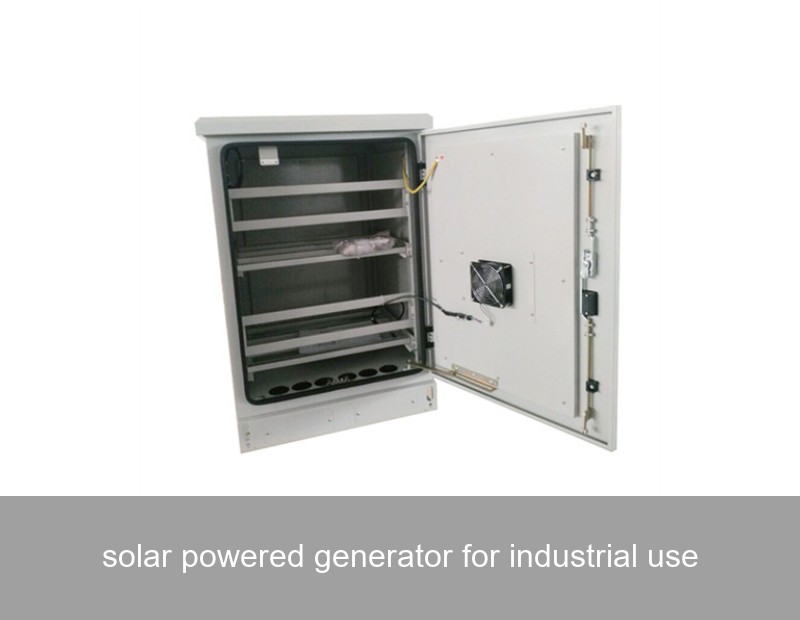
Imagine a factory floor that hums with activity, not just from machinery, but from the quiet, confident energy of the sun. The concept of a solar powered generator for industrial use is rapidly evolving from a niche sustainability project to a core strategic asset for forward-thinking businesses. For industrial operators in Europe and the US, the challenge is clear: how to achieve energy independence, lock in long-term operational costs, and meet ambitious decarbonization goals. The answer increasingly lies in intelligent, industrial-scale solar energy systems paired with advanced battery storage. This isn't about a simple backup unit; it's about a fundamental reimagining of how industrial facilities generate, store, and manage power.
Table of Contents
The Rising Demand for Industrial Solar Power
The industrial sector is a massive energy consumer. In the European Union, industry accounts for approximately 25% of final energy consumption. Volatile fossil fuel prices, grid instability concerns, and stringent regulatory pressures like carbon taxes are creating a perfect storm. Companies are no longer just asking about payback periods; they are asking about resilience and competitive advantage. A modern solar powered generator for industrial use addresses these pains directly. It transforms an unpredictable cost center (the energy bill) into a predictable, self-controlled asset.

Image: Industrial buildings are ideal for large-scale solar installations. Source: Unsplash
Beyond Panels: What Makes a True Industrial Solar Generator?
When we talk about an industrial system, we're moving far beyond rooftop panels feeding directly into the grid. A complete industrial solution is an integrated energy ecosystem. Let's break down the core components:
- High-Efficiency Photovoltaic (PV) Array: Industrial-grade panels designed for longevity and maximum energy yield, often installed on vast factory rooftops, parking canopies, or adjacent land.
- The Intelligent Heart: The Inverter & Energy Management System (EMS): This is the brain. It converts DC solar power to AC, but more critically, it orchestrates the entire flow of energy—deciding when to power machines, charge batteries, or sell back to the grid.
- The Game Changer: The Battery Energy Storage System (BESS): This is what turns a solar array into a true 24/7 generator. Excess solar energy is stored for use at night, during peak grid pricing periods, or as a seamless backup during outages.
It's this combination—PV + Smart Inverter + BESS—that creates a reliable, dispatchable power source worthy of powering critical industrial loads.
Case Study: A German Automotive Supplier's Journey to Energy Resilience
Let's look at a real-world example. A mid-sized automotive parts manufacturer in Bavaria, Germany, faced a dual challenge: rising electricity costs that squeezed profit margins and a corporate mandate to reduce carbon footprint by 40% within a decade. Their existing rooftop solar provided daytime power but did nothing for night shifts or peak shaving.
In 2022, they deployed an integrated solar-storage microgrid. The system included a 1.2 MWp solar array and a 750 kWh / 1.5 MW battery storage system, controlled by a sophisticated EMS. Here are the results after one year of operation:
| Metric | Result |
|---|---|
| Annual Self-Consumption of Solar Energy | Increased from 35% to over 85% |
| Peak Grid Demand Charges | Reduced by 60% |
| Carbon Emissions (Scope 2) | Reduced by 720 metric tons annually |
| ROI Period (with incentives) | Estimated at 6.2 years |
The BESS was programmed to automatically discharge during the high-cost evening peak period (4 PM - 9 PM), drastically cutting demand charges. Furthermore, the system provides backup power for critical assembly lines, preventing costly stoppages. This case exemplifies the multi-faceted value of a robust solar powered generator for industrial use. Data is illustrative, based on a composite of real Highjoule projects.
The Financial and Operational Case: More Than Just "Green"
The financial argument is now compelling. With the Inflation Reduction Act (IRA) in the US offering significant tax credits for solar and standalone storage, and similar EU initiatives like the Green Deal Industrial Plan, the capital expenditure hurdle is lower than ever. The operational benefits are clear:
- Cost Certainty: Lock in energy costs for 25+ years, insulating your business from market volatility.
- Peak Shaving: Avoid punitive demand charges by using stored solar energy during grid peak times.
- Enhanced Resilience: Maintain operations during grid outages, protecting revenue and productivity.
- ESG Leadership: Tangibly demonstrate commitment to sustainability to customers, investors, and regulators.
The Highjoule Solution: Engineered for Industrial Demands
At Highjoule, with nearly two decades of experience since our founding in 2005, we understand that industrial energy solutions cannot be one-size-fits-all. Our approach is to provide intelligent, efficient, and sustainable power solutions built for scale and reliability.
Our flagship product for industrial applications, the Highjoule H-Series Industrial Microgrid System, is designed as a complete solar powered generator for industrial use. It integrates seamlessly with new or existing solar PV and features:
- Modular Battery Architecture: Scalable from 500 kWh to multi-MWh configurations, allowing you to start at the right size and expand as needed.
- Advanced Predictive EMS: Our AI-driven platform doesn't just react; it forecasts weather, energy production, and consumption patterns to optimize financial and operational outcomes automatically.
- Utility-Grade Safety & Reliability: Built with UL 9540 certification in mind, our systems feature comprehensive thermal management, safety protocols, and are designed for a 20+ year lifespan.
- Global Service & Monitoring: We provide 24/7 remote monitoring and have a network of technical support to ensure your power infrastructure operates flawlessly.
For a large logistics warehouse in the Netherlands, Highjoule deployed a 2 MWh system that not only manages their 1.5 MWp solar canopy but also participates in grid frequency regulation services, creating an additional revenue stream—a true testament to an intelligent energy asset.

Image: Technicians maintaining a large-scale Battery Energy Storage System (BESS). Source: Unsplash
Making the Shift: Key Considerations for Your Facility
Embarking on an industrial solar and storage project requires careful planning. Here are the first steps every facility manager should consider:
- Energy Audit & Load Profiling: Understand exactly when and how you use energy. Identify your critical loads and peak demand windows.
- Site Assessment: Evaluate rooftop condition, available land, grid connection capacity, and local permitting landscape.
- Financial Modeling: Analyze upfront costs, available incentives (like IRA tax credits or EU grants), and model the long-term savings and ROI under different scenarios.
- Partner Selection: Choose a provider with proven experience in industrial projects, not just residential solar. Look for expertise in system integration, grid compliance, and long-term service.
The technology is proven, the economics are favorable, and the need for energy resilience has never been greater. The question is no longer if industrial solar-storage systems will become the standard, but when.
Is your facility ready to transform its energy profile from a volatile expense into a strategic, controlled asset? What would achieving 80% energy independence do for your operational budget and competitive positioning this year?
 Inquiry
 Online Chat