


Solar Protection Devices: The Unsung Heroes of Your Energy Investment
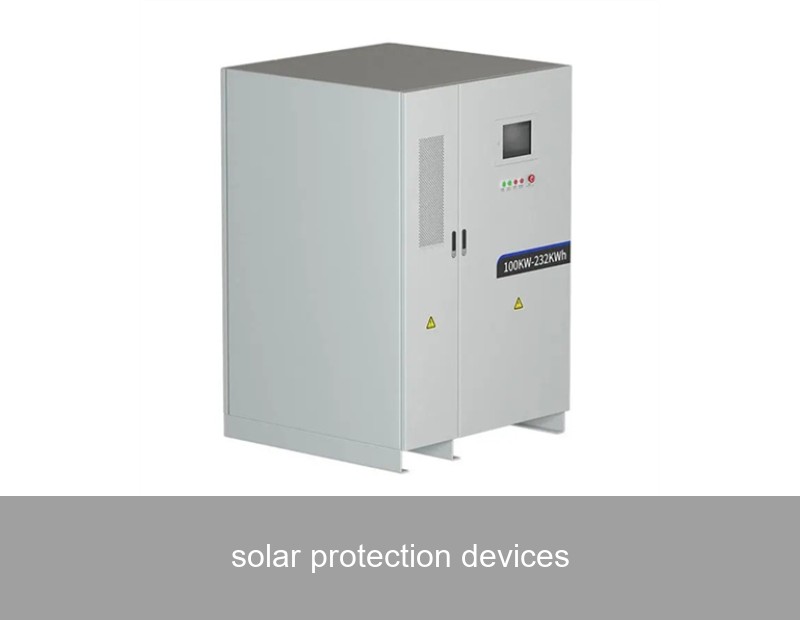
When you think of a solar power system, you likely picture gleaming panels under a bright sun. But what protects that valuable investment from the sun's own fury—or from a sudden grid surge? The answer lies in a category of critical components often overlooked: solar protection devices. These are the silent guardians that ensure your photovoltaic (PV) system operates safely, efficiently, and for its full intended lifespan. In this article, we'll demystify these essential components, explain why they are non-negotiable for any quality installation, and show how they integrate into modern, intelligent energy storage solutions.
Table of Contents
- What Are Solar Protection Devices (SPDs)?
- The Hidden Threats: More Than Just Lightning
- Key Components in Your Protection Arsenal
- Data Don't Lie: The Financial Impact of Neglect
- Case Study: A German Winery's Close Call
- Beyond Protection: Integration with Smart Energy Storage
- Choosing the Right Protection for Your System
What Are Solar Protection Devices (SPDs)?
In essence, solar protection devices are specialized electrical equipment designed to shield your PV system, battery storage, and connected appliances from transient overvoltages. These are sudden, brief spikes in voltage that can reach thousands of volts. Think of them as sophisticated surge protectors, but engineered for the unique DC (Direct Current) and AC (Alternating Current) environments of a solar-plus-storage setup. Their primary job is to detect these dangerous surges and safely divert the excess energy to the ground, preventing it from frying your expensive electronics.
The Hidden Threats: More Than Just Lightning
Many assume lightning is the sole threat. While a direct strike is catastrophic, it's surprisingly not the most common culprit. The phenomena we see are:
- Lightning-Induced Surges: Even a strike miles away can induce destructive voltages in long DC string cables or grid connections.
- Grid Switching Events: Utility companies regularly perform switching operations, which can cause significant overvoltage spikes that travel back to your inverter.
- Internal System Switching: Large inductive loads within your own property (like industrial motors turning on/off) can generate internal surges.
Without proper solar protection devices at each vulnerable point—DC strings, AC inverter output, and communication lines—each of these events chips away at your system's health or can cause immediate, total failure.
Key Components in Your Protection Arsenal
A robust protection strategy employs a coordinated defense. Here’s a breakdown of the key devices:
| Device Type | Location | Function |
|---|---|---|
| DC Surge Protective Device (DC SPD) | Between PV strings and the inverter. | Protects the inverter's DC input from surges coming from the long panel wiring. |
| AC Surge Protective Device (AC SPD) | At the main distribution board or inverter AC output. | Protects against surges coming from the grid or internal AC loads. |
| PV Fuses & Isolators | At combiner boxes and module level. | Provide overcurrent protection and allow for safe disconnection for maintenance. |
| Advanced Monitoring & Alerts | Integrated into system software. | Notifies you of protection device status and surge events, enabling proactive maintenance. |

Image: A well-designed electrical cabinet includes dedicated protection devices. (Photo by American Public Power Association on Unsplash)
Data Don't Lie: The Financial Impact of Neglect
The cost of skipping proper protection is stark. According to a industry report, surge-related damage accounts for a significant percentage of inverter failures—the most expensive single component in a system after the panels themselves. An uninsured inverter replacement can cost between $1,500 to $5,000. Now, consider that a comprehensive set of quality solar protection devices for a residential system represents only a tiny fraction of that cost, often 1-3% of the total system price. It's arguably the highest-return insurance policy you can buy for your solar investment.
Case Study: A German Winery's Close Call
Let's look at a real-world example from the heart of Europe's solar market. A family-run winery in Rhineland-Palatinate, Germany, installed a 100kW rooftop PV system in 2019 to power its operations and offset energy costs. The initial installer, focusing on lowest price, used minimal surge protection.
In spring 2021, after a series of distant thunderstorms, the winery's monitoring system showed a sudden 15% drop in yield. Technicians found one of the three central inverters had failed. The diagnosis: cumulative damage from multiple small surge events, exacerbated by grid fluctuations common in the rural area. The downtime during the critical bottling season, plus the replacement cost, totaled over €12,000.
The solution was a retrofit performed by a certified partner using Highjoule's comprehensive protection suite. This included:
- Type 1+2 DC SPDs at the combiner boxes for high lightning current handling.
- Type 2 AC SPDs at each inverter output.
- Integration of protection device status into the winery's existing Highjoule Energy Management System (HEMS) for real-time alerts.
Since the upgrade over two years ago, the system has logged several surge events that were safely mitigated, with zero downtime. The winery's manager noted, "The protection isn't just about hardware; it's the peace of mind that our production energy flow is secure."
Beyond Protection: Integration with Smart Energy Storage
This is where the story evolves from simple protection to intelligent resilience. Modern solar protection devices are no longer isolated components. In advanced systems like those designed by Highjoule, they are seamlessly integrated into the broader energy ecosystem.
Highjoule's HPS (Highjoule PowerStack) battery storage systems, for instance, feature built-in, multi-stage surge protection on both AC and DC sides as standard. More importantly, this protection layer communicates with the system's core intelligence. If a severe grid surge is detected, the system can autonomously and seamlessly island itself, protecting the battery and continuing to power critical loads from stored solar energy. This transforms a defensive component into an active player in maintaining your energy independence.

Image: A complete home system includes panels, storage, and the vital protection within. (Photo by Andreas Gücklhorn on Unsplash)
Choosing the Right Protection for Your System
So, how do you ensure your system is well-protected? Ask your installer these key questions:
- Do your proposals include dedicated DC and AC surge protection devices from reputable manufacturers?
- Are the SPDs rated for the specific environment (e.g., near-coast salt air, high lightning frequency)?
- Is surge protection integrated into the monitoring system so I know if a device needs servicing?
- How does the battery storage system handle grid-side surges and faults?
As a global provider, Highjoule designs its commercial, industrial, and residential storage solutions with these questions already answered. Our philosophy is that true sustainability means building systems that last, and that starts with foundational protection.
Your Energy, Secured
The journey to energy independence is exciting, but it's built on more than just panels and batteries. It's built on the confidence that your investment is shielded from the unpredictable. Solar protection devices are that critical, intelligent shield. They represent the mature approach to solar energy—where we think not just about generation, but about long-term resilience and reliability.
Has your current energy system ever been vulnerable to a power surge, and what was the outcome?
 Inquiry
 Online Chat