


Unlocking the Future of Energy: The Critical Role of High Capacity Lithium Battery Systems
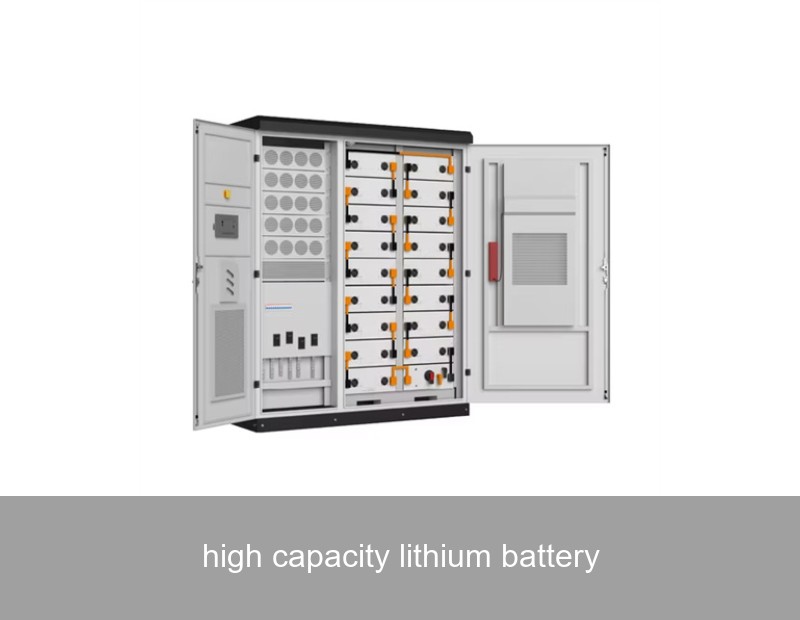
Have you ever wondered how a modern factory runs entirely on solar power after sunset, or how a remote community keeps its lights on during a storm? The answer increasingly lies in a technological marvel: the high capacity lithium battery. These aren't the batteries in your phone or laptop. We're talking about monumental energy storage systems, the linchpin in our global shift from fossil fuels to renewable energy. For businesses, utilities, and communities, they are transforming from a promising technology into an absolute necessity for energy security, cost control, and sustainability. Let's explore why.
What Exactly is a "High Capacity" Lithium Battery?
In the context of energy storage, "high capacity" refers to battery systems designed for large-scale, long-duration applications. We're typically talking about systems rated from several hundred kilowatt-hours (kWh) to tens or even hundreds of megawatt-hours (MWh). To put that in perspective, a single 1 MWh system can power roughly 750 average American homes for about an hour, or a mid-sized commercial facility for several hours.
These systems are built by connecting thousands of individual lithium-ion cells—often using stable chemistries like Lithium Iron Phosphate (LFP)—into sophisticated modules, racks, and finally, a complete Battery Energy Storage System (BESS).
The Core Components of a Grid-Scale BESS
- Battery Modules & Racks: The physical building blocks where energy is stored.
- Battery Management System (BMS): The "brain" that monitors cell voltage, temperature, and health to ensure safety and longevity.
- Power Conversion System (PCS): The critical component that converts stored DC power to AC power for the grid or facility, and vice-versa for charging.
- Energy Management System (EMS): The top-level intelligence that decides when to charge or discharge based on energy prices, grid signals, or consumption patterns.

Image Source: Unsplash - Representative image of industrial battery storage installation.
The Grid's New Imperative: More Renewables, More Need for Storage
Here's the central challenge renewables present: the sun sets, and the wind calms, but our demand for electricity continues. This creates a mismatch—a phenomenon energy experts call "intermittency." In 2023, renewable sources like wind and solar generated a record 44% of the EU's electricity. This incredible progress, however, amplifies the need to capture excess energy when it's plentiful and release it when it's not.
This is where the high capacity lithium battery shines. It acts as a "time machine" for electrons, solving several critical problems at once:
| Grid Challenge | How High-Capacity Storage Helps |
|---|---|
| Renewable Intermittency | Stores surplus solar/wind energy for use during low-production periods. |
| Peak Demand Charges | Discharges during expensive peak hours, dramatically cutting utility bills for businesses. |
| Grid Congestion & Stability | Provides fast frequency response and voltage support, acting as a shock absorber for the grid. |
| Backup Power | Offers seamless, instantaneous power during outages, superior to diesel generators. |
Case Study: A German Industrial Park's Path to Energy Independence
Let's look at a real-world example. A manufacturing park in Bavaria, Germany, faced volatile energy prices and ambitious corporate sustainability targets. Their on-site solar PV array produced significant power during the day, but much of it was exported to the grid at low prices while they bought expensive power in the evening.
The Solution: They partnered with Highjoule to deploy a containerized high capacity lithium battery system with a total capacity of 2.4 MWh and a power output of 1.2 MW. Integrated with their existing solar, the system was configured for two primary uses: solar self-consumption optimization and peak shaving.
The Data-Driven Outcome (First 12 Months):
- Energy Cost Reduction: Peak demand charges were reduced by 68%, leading to overall energy cost savings of over €140,000 annually.
- Self-Consumption Rate: The share of solar energy used directly on-site jumped from 35% to over 85%.
- Grid Services Revenue: By participating in a local grid balancing program during weekends, the system generated an additional €15,000 in revenue.
- Carbon Footprint: The park's scope 2 emissions (from purchased electricity) decreased by approximately 220 tonnes of CO2-equivalent.
This case demonstrates that a well-designed high capacity lithium battery system is not just an expense; it's a strategic asset with a clear, quantifiable return on investment and environmental impact.
Beyond the Cell: What Makes a System Truly Intelligent?
While cell chemistry is important, the real magic of a modern high capacity lithium battery system lies in its intelligence and integration. At Highjoule, we believe the hardware is only half the solution. Our HPS (Highjoule PowerStack) systems are built around our proprietary NeuroGrid EMS platform.
Think of NeuroGrid as the autonomous pilot for your energy storage. It doesn't just react; it predicts and optimizes. By analyzing weather forecasts, real-time energy prices, historical consumption patterns, and grid conditions, it makes millisecond decisions to maximize your financial return and system performance. This level of smart control is what separates a basic battery bank from a future-proof energy asset.
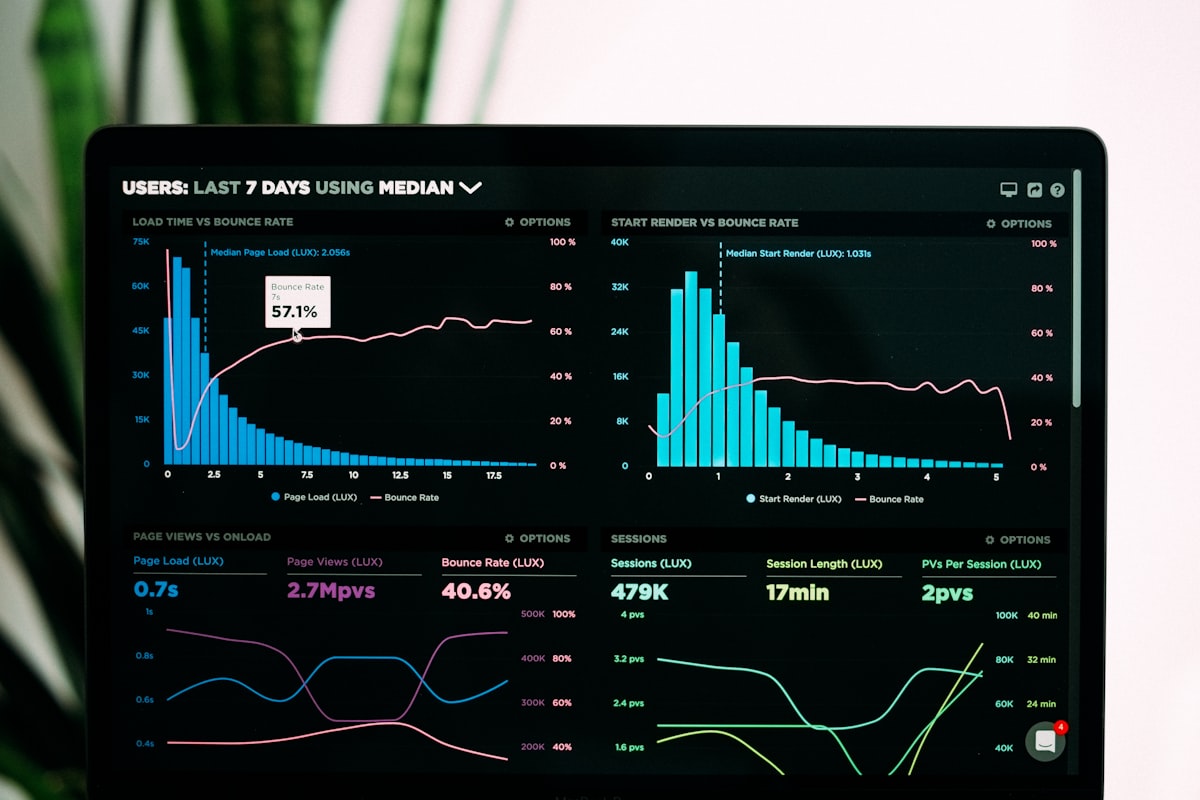
Image Source: Unsplash - Representative image of an energy management software dashboard.
Highjoule's Integrated Approach
Since 2005, Highjoule has evolved from a battery innovator to a full-stack solutions provider. Our service model is designed to de-risk large-scale projects:
- Custom Feasibility & Design: We model your energy load, generation, and local tariffs to size the perfect system for your ROI goals.
- Turnkey Delivery: From permitting and grid connection agreements to installation and commissioning, we manage the entire process.
- Long-Term Performance Assurance: Our service packages include remote monitoring, proactive maintenance, and performance guarantees to ensure your system delivers for its entire 15+ year lifespan.
Choosing the Right Partner for Your High-Capacity Storage Project
Investing in a high capacity lithium battery system is a major decision. The market is filled with options, but not all providers offer the same depth of expertise or long-term commitment. Here are key questions to ask any potential vendor:
- Can you provide detailed, location-specific financial modeling for my project?
- What is the depth of your system integration and grid interconnection experience in my region?
- How does your EMS software create value beyond basic charge/discharge cycles?
- What is your track record for safety, and what certifications do your systems hold (e.g., UL, IEC)?
- What does your long-term service and support structure look like?
The transition to resilient, renewable-powered operations is no longer a distant ideal—it's a present-day competitive advantage. The right high capacity lithium battery system is the engine of that transition.
What is the single biggest energy challenge—cost volatility, reliability concerns, or sustainability targets—that a smart storage system could help your organization solve in the next 18 months?
 Inquiry
 Online Chat