


Understanding Solar System Australia Prices: A Smart Investment Guide
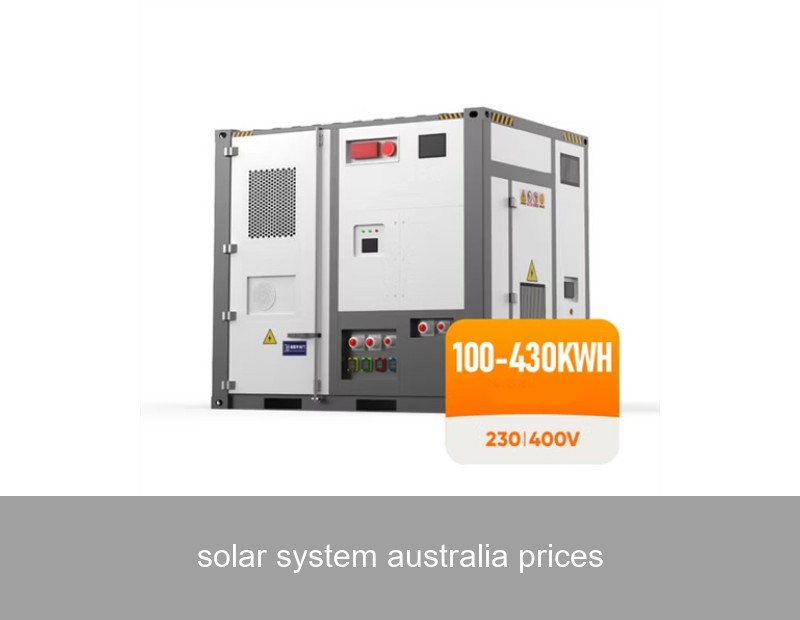
So, you're thinking about going solar in Australia? You're not alone. With abundant sunshine and rising electricity costs, it's a brilliant move. But when you start researching, the first thing that hits you is the wide range of solar system Australia prices. Quotes can vary wildly, leaving you wondering what you're really paying for and if it's worth it. Let's demystify the costs, explore the value beyond the price tag, and see how modern technology, like advanced battery storage, is changing the game.
Table of Contents
The Real Breakdown of Solar System Australia Prices
As of 2023, a typical 6.6kW solar system in Australia can range from AUD $5,000 to $10,000 fully installed. That's a significant spread. Why? Because the price isn't just for panels on your roof. It's a package that includes hardware, software, and expertise. Think of it like buying a car; you're paying for the engine, safety features, comfort tech, and the dealer's service.
A transparent quote should itemise or at least explain these core components:
- Solar Panels: The brand, efficiency rating, and warranty (often 25+ years).
- Inverter(s): The "brain" of the system. Options include string inverters or more advanced microinverters.
- Mounting & Hardware: The quality racking system that withstands decades of weather.
- Installation Labour: CEC-accredited installers are a must for safety and warranty validity.
- Monitoring & Smart Technology: The platform that lets you track production and savings in real-time.
According to the Clean Energy Council, system costs have fallen dramatically over the last decade, but the focus is now shifting from just the lowest upfront cost to long-term value and reliability.
Key Factors Influencing Your Solar Quote
Your home or business is unique, and your solar quote should reflect that. Here are the main variables installers consider:
| Factor | Impact on Price & Performance |
|---|---|
| System Size (kW) | Larger systems cost more upfront but generate more power, improving payback time. Size should match your daytime consumption. |
| Panel & Inverter Quality | Premium, tier-1 components cost more but offer higher efficiency and longer, more comprehensive warranties. |
| Roof Complexity | Multiple angles, steep pitch, or tile roofs require more labour and specialised hardware. |
| Location | Installation costs vary by state. Also, local weather patterns affect the optimal panel type. |
| Additional Tech (Batteries, Smart Managers) | This is where the real modern energy independence begins, adding cost but dramatically increasing value. |
The Game Changer: Adding Battery Storage
This is the critical evolution in the solar conversation. A solar-only system exports excess power to the grid for a small feed-in tariff. But what if you could store that sunshine for use at night? Enter the battery energy storage system (BESS).
Adding a battery increases your initial investment but transforms your energy economics. You dramatically increase self-consumption – using your own solar power – from around 30-40% to 70% or more. This shields you from peak evening tariffs and provides backup power during outages. The question shifts from "What's the cheapest solar price?" to "What's the optimal system for my 24/7 energy needs?"

Image Source: Unsplash (Representative image of a modern solar and battery installation)
Real-World Impact: A Case Study from Queensland
Let's look at real data. A medium-sized manufacturing business in Brisbane was facing annual energy bills exceeding AUD $85,000. In 2022, they installed a 100kW solar array coupled with a 120kWh Highjoule Industrial Battery System. The results after one year:
- Upfront Investment: Significant, but partially offset by government incentives for commercial storage.
- Bill Reduction: Energy costs slashed by 78%.
- Grid Independence: 92% of their daytime power now comes from solar+storage.
- Payback Period: Estimated at just under 5 years, thanks to avoiding peak demand charges.
This isn't just about saving money; it's about price predictability and operational resilience. As noted by the International Energy Agency, solar with storage is becoming a cornerstone of commercial energy strategy worldwide.
How Highjoule's Solutions Maximise Your Investment
At Highjoule, we see the solar system price as the entry point to a comprehensive energy solution. Since 2005, we've evolved from a component supplier to a global provider of intelligent, integrated storage systems. For the Australian market, this means we don't just sell batteries; we provide the brain that optimises every kilowatt-hour.
Our H-Stack Modular Battery Systems for residential and commercial use are designed for the Australian climate. They integrate seamlessly with high-quality solar installations. What sets them apart is our AI-powered Energy Management System (EMS). This software doesn't just store energy; it learns your usage patterns, weather forecasts, and grid tariff schedules to autonomously decide the most economical moment to charge, discharge, or export.
For a homeowner, this means the system might conserve battery power during a sunny afternoon if it predicts a stormy evening, ensuring backup availability. For a business, it aggressively avoids peak demand charges. This intelligent layer is what turns a capital purchase into a dynamic financial asset.
Image Source: Unsplash (Representative image of energy monitoring)
Future-Proofing Your Energy Independence
The energy landscape is moving towards virtual power plants (VPPs) and dynamic exports. With a Highjoule system, you're prepared. Our technology allows secure, opt-in participation in VPP programs, where your collective battery storage helps stabilise the grid, and you get paid for it. This creates a potential new revenue stream, further improving the return on your solar and storage investment.
So, when evaluating solar system Australia prices, the most insightful question you can ask an installer is: "How does this system prepare me for the next 20 years of energy trends, not just the next 20 days of sunshine?"
Ready to Calculate Your True Value?
The journey to energy independence starts with the right questions. Instead of just comparing per-watt panel costs, what if you mapped out your hourly energy consumption against a simulated solar and battery schedule? What would your bill look like if you could control not just how you generate power, but exactly when and how you use it?
 Inquiry
 Online Chat