


Why Your Solar System Needs a Battery Energy Storage System (ESS)
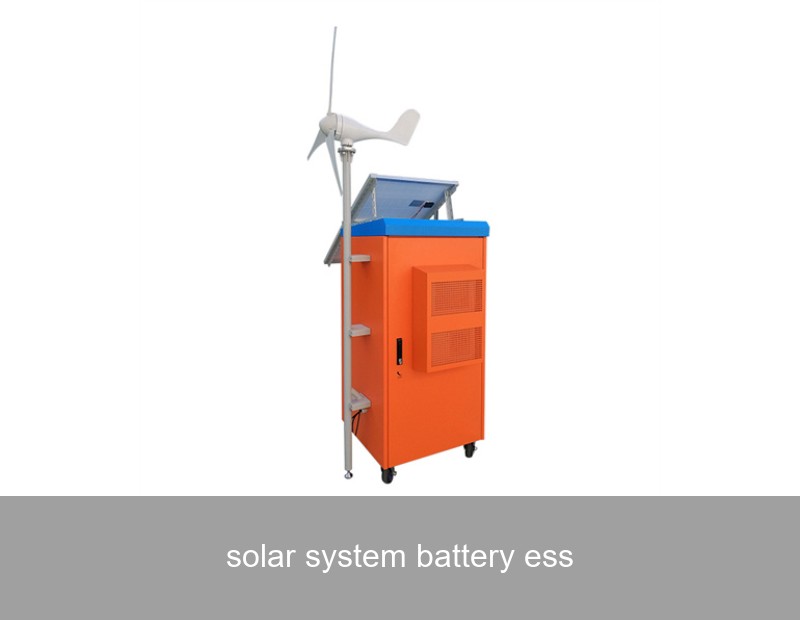
Imagine this: the sun is shining, your rooftop solar panels are humming along, generating clean, free electricity. You feel good about your energy independence and lower bills. But then, clouds roll in, or the sun sets. Suddenly, you're back to drawing expensive, often carbon-intensive power from the grid. This is the inherent limitation of a standalone solar system. The solution? Integrating a solar system battery ESS (Energy Storage System). This powerful combination doesn't just capture sunlight; it captures opportunity, transforming how homes and businesses manage energy. As a leader in advanced energy storage, Highjoule has been pioneering intelligent battery solutions since 2005 to bridge this gap, ensuring that the clean energy you produce is available precisely when you need it most.
Table of Contents
- The Solar Dilemma: Generation vs. Consumption
- What is a Solar System Battery ESS?
- The Tangible Benefits: Beyond Backup Power
- A Real-World Case: The German Bakery
- Choosing the Right System for Your Needs
- The Highjoule Solution: Intelligent Storage for a Sustainable Future
- Your Energy Independence Awaits
The Solar Dilemma: Generation vs. Consumption
Here's the core issue: solar power generation and household energy demand are often out of sync. Peak production happens in the middle of the day, while peak consumption typically occurs in the early morning and evening. Without storage, this mismatch leads to two problems:
- Exported Surplus: Excess solar energy is sent back to the grid, often for a minimal feed-in tariff that is significantly lower than the retail price of electricity.
- Imported Deficit: At night or during poor weather, you must purchase expensive electricity from the utility.
This cycle limits your savings and self-sufficiency. According to data from the U.S. Department of Energy, the average residential solar system without storage only meets 20-40% of a home's total electricity needs when the sun isn't shining. That's a lot of grid dependency left on the table.

Image Source: Unsplash - Illustrating the sunset, when solar production stops but energy demand continues.
What is a Solar System Battery ESS?
A Battery Energy Storage System (ESS) is the missing link in your energy ecosystem. Think of it not just as a battery, but as an intelligent energy manager. It's a sophisticated unit that stores the excess electricity your solar panels produce during the day in high-capacity lithium-ion batteries. Then, it dispatches that stored energy on-demand during periods of high usage, low solar production, or even during a grid outage.
A modern ESS like those developed by Highjoule consists of:
- Battery Modules: The core storage units using advanced, safe lithium-ion chemistry.
- Inverter/Charger: The brain that manages DC-AC conversion, charging, and discharging.
- Energy Management System (EMS): Intelligent software that learns your usage patterns, monitors weather, and optimizes energy flow for maximum economy and resilience.
The Tangible Benefits: Beyond Backup Power
While backup power during outages is a compelling feature, the value of a solar system battery ESS runs much deeper.
| Benefit | Description | Impact |
|---|---|---|
| Maximized Self-Consumption | Use more of your own solar energy, sometimes increasing self-consumption rates to over 80%. | Dramatically reduces electricity bills. |
| Energy Arbitrage | Store solar energy when rates are low and use it during peak tariff periods. | Protects against volatile and rising energy costs. |
| Grid Resilience & Backup | Provides seamless power during blackouts, keeping essential loads running. | Peace of mind and continuity for homes and businesses. |
| Carbon Footprint Reduction | Displaces the need for grid power, which often relies on fossil fuels. | Lowers your environmental impact round-the-clock. |
A Real-World Case: The German Bakery
Let's look at a concrete example from our European operations. A mid-sized artisan bakery in Bavaria, Germany, had a 50 kW rooftop solar installation. Their challenge was classic: high energy use in the early morning for ovens and refrigeration, but solar production peaked in the afternoon. They were exporting surplus power for a low feed-in tariff and buying expensive power in the morning.
The Solution: Highjoule installed a 40 kWh commercial solar system battery ESS alongside an upgraded energy management system.
The Data-Driven Outcome (after 12 months):
- Grid Import Reduction: Reduced grid electricity purchases by 68%.
- Self-Consumption Increase: Increased usage of their own solar power from 35% to 89%.
- Cost Savings: Achieved an annual energy cost saving of approximately €8,200.
- ROI: Projected payback period of just under 7 years, considering German incentive programs.
The bakery now powers its dawn operations largely from stored solar energy, enhances its sustainability branding, and has a reliable backup for its cold storage. This case exemplifies the transformative potential of intelligent storage, a principle we apply globally. You can explore more about the value of storage from the Solar Energy Industries Association (SEIA).
Choosing the Right System for Your Needs
Not all battery storage is created equal. Key considerations include:
- Capacity (kWh): How much energy can it store? This should align with your daily "solar surplus" and backup requirements.
- Power Rating (kW): How much power can it deliver at once? Crucial for running multiple high-wattage appliances simultaneously.
- Depth of Discharge (DoD): The usable portion of the battery's capacity. A higher DoD means more usable energy.
- Scalability: Can you add more batteries later as your needs grow?
- Integration & Intelligence: Does it seamlessly integrate with existing solar inverters? How smart is its energy management software?
The Highjoule Solution: Intelligent Storage for a Sustainable Future
At Highjoule, we've spent nearly two decades refining the art and science of energy storage. Our approach goes beyond hardware to deliver a comprehensive solar system battery ESS solution. Our product line, like the Highjoule H-Series for residential and QuantumStack for commercial/industrial applications, is built on three pillars:
- Uncompromising Safety & Durability: Using lithium iron phosphate (LFP) chemistry for superior thermal stability and long cycle life, backed by robust system design and monitoring.
- Adaptive Intelligence: Our proprietary EMS uses AI-driven algorithms to predict weather, learn consumption patterns, and automatically optimize for cost savings or carbon reduction based on your preferences.
- Seamless Integration: Our systems are designed to work with both new and existing solar installations, providing a smooth upgrade path to true energy independence.
For a microgrid project in California, our containerized QuantumStack ESS provided not just backup, but enabled the community to operate as an island from the grid during peak fire-risk days, showcasing the role of storage in grid stability. Learn about grid services from NREL's energy storage research.

Image Source: Unsplash - Representing professional installation and maintenance of a large-scale ESS.
Your Energy Independence Awaits
The journey from a simple solar generator to a resilient, intelligent, and economical energy asset is defined by the addition of a battery. It's the upgrade that unlocks the full potential of your solar investment. Whether you're a homeowner tired of peak rates, a business owner looking to fix operational energy costs, or a community planner designing a resilient microgrid, the question is no longer "if" but "which" storage system is right for you.
What specific energy challenge—be it unpredictable bills, reliability concerns, or sustainability goals—could a Highjoule solar system battery ESS solve for you?
 Inquiry
 Online Chat