


Your Complete Guide to a Modern Solar System for the House
Thinking about powering your home with sunshine? You're not alone. Across Europe and the U.S., homeowners are increasingly turning to a solar system for the house as a powerful solution for energy independence, rising electricity bills, and reducing their carbon footprint. But what does a modern home solar setup truly involve? It's no longer just about panels on the roof. Today, it's an intelligent, integrated energy ecosystem designed for resilience and efficiency. This guide will walk you through everything you need to know, from the core components to real-world results, helping you understand how this technology can transform your home's relationship with energy.
Table of Contents
- The Phenomenon: Home Solar is Evolving
- Key Components of a Contemporary Home Solar System
- The Data: Why the Numbers Make Sense
- Case Study: A Real-World Example from Germany
- Beyond Panels: The Critical Role of Smart Energy Management
- How Highjoule Empowers Your Home Energy Journey
- Is Your Home Ready for the Next Step?
The Phenomenon: Home Solar is Evolving
Gone are the days when a residential solar installation was a simple, one-way street of generating power for the grid. The modern solar system for the house is a dynamic, two-way energy hub. This shift is driven by a combination of factors: more efficient and affordable photovoltaic (PV) panels, the advent of smart home technology, and crucially, the growing need for energy security. Homeowners now seek systems that don't just generate power but also store it and manage it intelligently, maximizing self-consumption and providing backup during outages. This evolution turns your home from a passive energy consumer into an active, resilient power station.
Key Components of a Contemporary Home Solar System
A robust system today is built on three interconnected pillars:
- Solar PV Panels: The most visible element, converting sunlight into direct current (DC) electricity. Modern monocrystalline panels offer high efficiency, even in less-than-ideal light conditions common in parts of Europe.
- Solar Inverter(s): The brain of the power side. It converts the DC electricity from your panels into the alternating current (AC) used by your home appliances. Advanced systems now use hybrid inverters or paired setups that can interact with batteries.
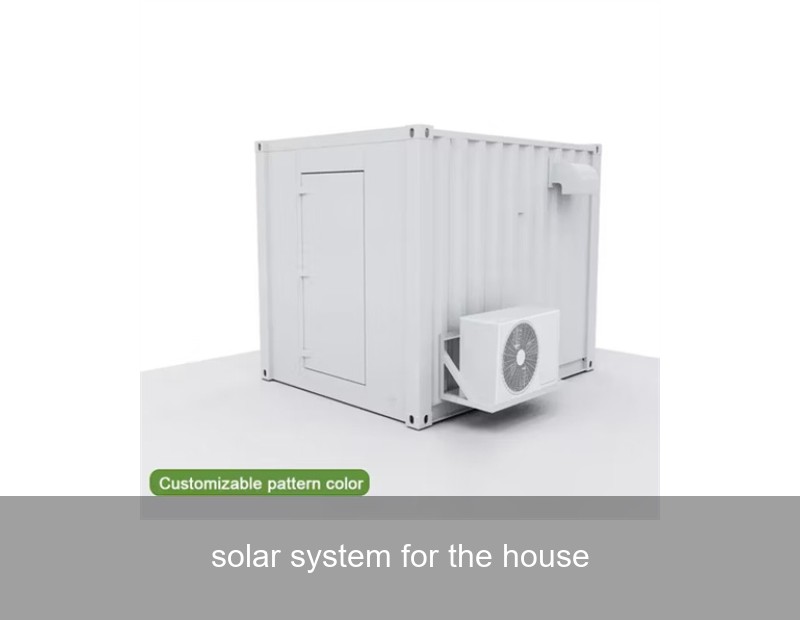
- Battery Energy Storage System (BESS): The game-changer. A home battery, like those offered by Highjoule, stores excess solar energy produced during the day for use at night or during peak tariff periods. This is the key to unlocking true energy independence.

Image Source: Unsplash (Representative image of a home solar and storage system)
The Data: Why the Numbers Make Sense
Let's talk concrete benefits. According to the International Energy Agency (IEA), solar PV is now the cheapest source of electricity in history for many regions. For a homeowner, this translates to compelling economics. A typical 6 kW system in Southern U.S. states can generate 8,000-10,000 kWh annually, often covering a significant portion of a family's usage. In Germany, with slightly lower insolation, a similar system might produce 5,500-6,500 kWh. When paired with a battery, self-consumption rates can jump from 30-40% to 70% or higher, dramatically reducing reliance on the grid. With various federal (like the U.S. Investment Tax Credit) and European national incentives, the payback period continues to shorten, making the investment more attractive than ever.
Case Study: A Real-World Example from Germany
Consider the Müller family in Freiburg. In 2022, facing electricity costs exceeding €0.35/kWh, they installed a 8.2 kWp solar array with a 10 kWh Highjoule HarmonyHome battery system.
| Metric | Before Installation | After Installation |
|---|---|---|
| Grid Electricity Purchased | 4,800 kWh/year | ~1,200 kWh/year |
| Self-Consumption Rate | N/A | 78% |
| Estimated Annual Savings | Baseline | €1,250+ |
| Energy Security | Grid Dependent | Backup power for essential loads for over 24 hours |
"The motivation wasn't just savings," explains Mr. Müller. "We wanted predictability. Now, even during cloudy weeks or at night, we use our own stored solar power. The system paid for itself in under 8 years, and we have peace of mind knowing our lights and fridge will stay on during an outage." This case highlights the dual value proposition: economic and resilience.
Beyond Panels: The Critical Role of Smart Energy Management
Panels and batteries are hardware, but the real intelligence lies in the software. A sophisticated solar system for the house includes an Energy Management System (EMS). Think of it as the conductor of your home energy orchestra. It makes real-time decisions: should solar power charge the battery, run the dishwasher, or be exported to the grid based on tariff rates? Can it delay your EV charging to use surplus solar? This smart management is what maximizes your return on investment. Companies like Highjoule integrate this intelligence directly into their storage systems, offering user-friendly apps that let you monitor, control, and optimize your home's energy flow from your smartphone.

Image Source: Unsplash (Representative image of energy monitoring)
How Highjoule Empowers Your Home Energy Journey
As a global leader in advanced energy storage since 2005, Highjoule understands that every home and every energy goal is unique. Our approach goes beyond just supplying equipment; we provide intelligent, integrated solutions. For the residential sector, our HarmonyHome series of battery storage systems is designed specifically for the demands of modern households.
What sets Highjoule apart is our focus on safety, longevity, and seamless integration. Our lithium iron phosphate (LFP) battery chemistry is renowned for its thermal stability and long cycle life, ensuring your system is safe and lasts for decades. The HarmonyHome system comes with a built-in hybrid inverter and our proprietary Energy Synapse OS, the EMS that learns your consumption patterns and automatically optimizes for self-consumption or cost savings. Whether you're in sunny California or in a region with more variable weather like the UK, our systems are engineered to deliver reliable performance and a simplified user experience, backed by over 15 years of expertise serving commercial, industrial, and residential clients worldwide.
Is Your Home Ready for the Next Step?
Embarking on your solar journey starts with asking the right questions. How much of your current electricity bill do you want to control? Is protecting your family from power outages a priority? What is your roof's orientation and condition? We encourage you to look at your latest utility bill, note your average daily kWh consumption, and begin exploring how a tailored solar system for the house with integrated storage could meet those needs. What would energy independence look like for your home?
 Inquiry
 Online Chat