


Harnessing the Sun: The Rise and Potential of the Solar System in South Africa
Imagine a power source so abundant it could meet the world's energy needs many times over, shining down on a land blessed with some of the highest solar irradiance on the planet. This isn't a futuristic dream; it's the daily reality in South Africa. The story of the solar system in South Africa is one of necessity, innovation, and immense potential. As the nation navigates persistent load-shedding and a pressing energy transition, solar power, coupled with advanced battery storage, is emerging not just as an alternative, but as a cornerstone of a reliable, sustainable energy future. For businesses, industries, and homeowners, understanding this shift is key to unlocking energy independence and economic resilience.
Table of Contents
The Phenomenon: South Africa's Solar Imperative
For over a decade, South Africans have lived with the disruptive reality of load-shedding—scheduled power cuts implemented by the national utility to prevent grid collapse. This isn't merely an inconvenience; it's a significant drag on the economy, disrupting manufacturing, retail, and daily life. The urgent need for a stable power supply has catalyzed a remarkable grassroots energy revolution. From suburban rooftops to vast industrial parks, the deployment of solar systems in South Africa has accelerated at a breathtaking pace. This movement is driven by a powerful combination: world-class solar resources and the rapidly improving economics of photovoltaic (PV) technology and battery storage. It's a classic case of challenge breeding innovation, positioning South Africa as a global leader in distributed, renewable energy adoption.
The Data: Sunlight, Savings, and Scale
Let's talk numbers, because they tell a compelling story. South Africa boasts an average of more than 2,500 hours of sunshine per year, with solar irradiance levels among the highest in the world, often exceeding 5.5 kWh/m²/day in regions like the Northern Cape. This natural bounty translates directly into generation potential. A well-sized commercial or industrial solar system in South Africa can typically offset 30% to 60% of grid consumption, with payback periods that have shrunk from over a decade to often between 4-7 years, thanks to falling equipment costs and rising electricity tariffs.
The scale of growth is equally impressive. According to the South African Photovoltaic Industry Association (SAPVIA), the country's installed PV capacity (including large-scale plants) surged past 5 GW in recent years, with the commercial and industrial segment being a primary growth driver. This isn't just about installing panels; it's about intelligent systems. The true value is unlocked when solar generation is paired with battery energy storage systems (BESS), which can push grid independence levels above 80% and provide critical backup during outages. This combination transforms solar from a supplementary power source into a primary, resilient energy asset.

Image Source: Wikimedia Commons, showing South Africa's excellent solar resources.
The Critical Role of Battery Storage
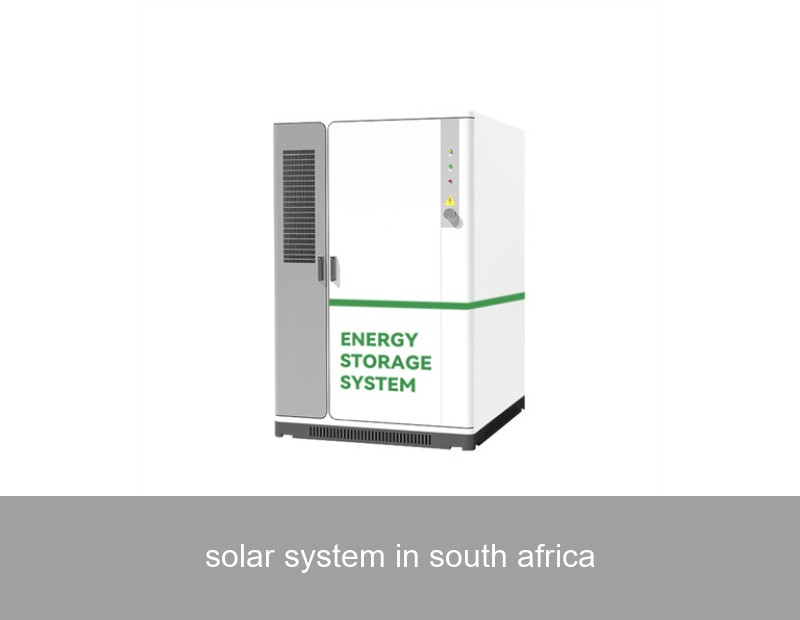
Think of a solar PV array as a factory that only works during the day. Without storage, any excess energy it produces at noon is often fed back to the grid at a low feed-in tariff, while you're forced to buy expensive power from the utility in the evening. This is where advanced battery storage changes the game. By storing surplus solar energy for use during peak evening hours or during load-shedding, a system's economics and utility improve dramatically. This is precisely the gap that global providers like Highjoule address. With nearly two decades of expertise, Highjoule designs and delivers integrated solar-plus-storage solutions that are intelligent, efficient, and built to last. Our commercial and industrial battery energy storage systems are engineered to maximize self-consumption of solar power, provide seamless backup, and even enable participation in demand response programs, creating a new revenue stream for energy-savvy businesses.
The Case Study: Powering Commerce in Johannesburg
Let's make this concrete with a real-world example. A large distribution warehouse in Johannesburg's key industrial corridor faced crippling daily losses due to load-shedding. Halting refrigeration, security systems, and logistics software was not an option. Their goal was clear: ensure operational continuity and reduce spiraling energy costs.
The implemented solution was a turnkey solar system in South Africa, featuring a 450 kWp rooftop solar PV array integrated with a 500 kWh Highjoule Lithium-Ion battery storage system and intelligent energy management software. Here’s what happened:
| Metric | Before Installation | After Installation |
|---|---|---|
| Grid Dependency During Day | 100% | 15-20% (Sunny Days) |
| Load-Shedding Impact | Full Operations Halt | Zero Impact (Seamless Backup) |
| Monthly Energy Cost | ZAR 380,000 | ZAR 145,000 |
| Annual CO2 Emissions Offset | Baseline | Approx. 620 tonnes |
The results speak volumes. The facility achieved over 60% reduction in grid electricity costs and total immunity from load-shedding. The Highjoule BESS intelligently dispatches stored solar energy during peak tariff periods and instantly takes over when the grid fails. This case exemplifies how a modern, integrated energy solution does more than just save money—it de-risks the entire business operation. For more insights on South Africa's energy landscape, you can refer to reports from the Council for Scientific and Industrial Research (CSIR).
The Integrated Solution: Beyond Panels to Power Resilience
So, what does a truly resilient solar system in South Africa look like today? It's a symphony of components working in intelligent harmony:
- High-Efficiency PV Panels: Capturing maximum sunlight.
- Smart Inverters: Converting DC to AC power while managing grid interaction.
- Advanced Battery Storage (The Game-Changer): This is the heart of modern energy independence. Highjoule's systems, for instance, use proprietary cell-level monitoring and thermal management to ensure safety, longevity, and peak performance even in demanding environments.
- Energy Management System (EMS): The brain of the operation. It forecasts solar production, analyzes consumption patterns, and optimizes when to charge, discharge, or export energy, all to achieve the lowest cost and highest reliability.
For residential clients, the principle is the same but scaled. Highjoule's home energy storage solutions allow families to power through load-shedding cycles with ease, keeping lights on, food fresh, and homes connected. The peace of mind and daily convenience offered by a reliable home solar and battery system are immeasurable. The global trend towards such integrated systems is well-documented by agencies like the International Energy Agency (IEA).
The Future: Microgrids and Energy Sovereignty
The logical evolution of individual solar-plus-storage systems is the community or industrial microgrid. Imagine a factory, a shopping center, or even a residential estate operating as its own intelligent energy island, interconnected with solar, storage, and sometimes backup generators, capable of disconnecting from and reconnecting to the national grid seamlessly. This isn't science fiction; it's the next frontier for energy security in South Africa. These microgrids enhance resilience at a community level, reduce strain on the national infrastructure, and pave the way for a more decentralized, democratic energy model.

Image Source: Flickr (Creative Commons), depicting a commercial-scale rooftop solar array.
Highjoule is at the forefront of this transition, providing the core storage and control technology that makes microgrids viable. Our systems are designed for scalability and interoperability, ensuring they can serve as the building blocks for South Africa's smarter, more resilient energy future. The technical foundation for these advancements is supported by ongoing research, such as that cited by the National Renewable Energy Laboratory (NREL).
What's Your Next Move Towards Energy Independence?
The evidence is clear, the technology is proven, and the economic argument is stronger than ever. The journey towards a sustainable and secure energy supply for your home or business begins with a single question: How much is uncertainty costing you? Whether it's the lost revenue during a power outage, the unpredictable escalations in your electricity bill, or simply the desire for a cleaner energy footprint, the solution starts with an assessment. What would a tailored solar and storage system designed for your specific load profile, roof space, and resilience needs look like? The sun over South Africa isn't just a natural wonder; it's a powerful, waiting resource. The only question left is, when will you fully harness it?
 Inquiry
 Online Chat