


Understanding Solar System Price in Dubai: A Smart Investment Guide
If you're a homeowner or business owner in Dubai, you've likely noticed the surge in solar panel installations across the city. The shimmering skyline is increasingly dotted with photovoltaic arrays, and for good reason. The conversation often starts with one key question: what determines the final solar system price in Dubai? While the initial quote is important, the true value lies in understanding the long-term return on investment, the quality of components, and the intelligence of the system's design. This article will demystify the costs, explore the factors at play, and highlight how advanced technology from providers like Highjoule is maximizing returns for energy-conscious residents and enterprises in the UAE and beyond.
Table of Contents
- The Real Breakdown: What's Inside Your Solar System Price in Dubai?
- Beyond the Sticker Price: Data and Trends Shaping Dubai's Solar Market
- A Dubai Case Study: From Price Quote to Performance Reality
- The Highjoule Difference: It's More Than Just Panels
- Future-Proofing Your Investment: Key Considerations
The Real Breakdown: What's Inside Your Solar System Price in Dubai?
Let's be honest, when you get a quote for a solar installation, it can feel like a black box. The price per watt or the total system cost might be presented, but the value behind each dirham isn't always clear. A transparent breakdown is crucial. The final solar system price in Dubai is typically composed of several key components:
- Solar Panels (Photovoltaic Modules): This is often the most visible cost, accounting for about 20-30% of the total. Efficiency ratings (converting sunlight to electricity) and durability in harsh climates are key differentiators.
- Inverter Technology: The brain of your system, converting DC solar power to usable AC power. A high-quality inverter, which can be 10-15% of the cost, ensures maximum energy harvest and system longevity.
- Mounting Structure & Balance of System (BOS): This includes racks, wiring, connectors, and safety devices. In Dubai, structures must withstand high winds and corrosion, adding to the engineering complexity.
- Installation & Labor: Professional installation by certified technicians ensures safety, compliance with DEWA regulations, and optimal system performance.
- Permitting & Grid Connection: Navigating DEWA's Shams Dubai initiative requires specific documentation and approvals, a process a reputable provider will manage seamlessly.
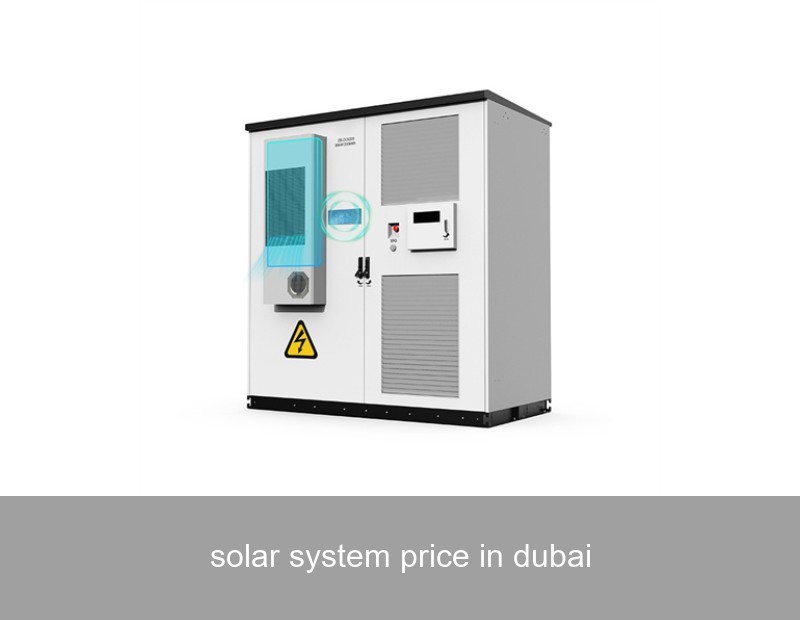
However, the most transformative—and often overlooked—component in modern pricing is the energy storage system (ESS). This is where the game changes. Adding a battery allows you to store excess solar energy generated during the day for use at night, dramatically increasing your energy independence and ROI. Companies like Highjoule specialize in integrating intelligent battery storage, moving the conversation from simple solar generation to comprehensive 24/7 energy management.

Image: A well-installed residential solar system in a climate similar to Dubai. Credit: Unsplash.
Beyond the Sticker Price: Data and Trends Shaping Dubai's Solar Market
The solar system price in Dubai isn't static; it's influenced by powerful global and local trends. According to the International Renewable Energy Agency (IRENA), the global weighted average cost of electricity from solar photovoltaics fell by a staggering 89% between 2010 and 2022. This trend is reflected in the UAE market, driven by economies of scale and technological innovation.
But here's the local phenomenon: Dubai's abundant sunshine yields some of the highest solar energy production rates in the world. A typical 5 kW system in Germany might produce about 5,000 kWh annually. In Dubai, the same system can generate over 8,500 kWh due to higher solar irradiance. This means the cost per generated kilowatt-hour (kWh)—the true measure of value—is exceptionally low in Dubai, often making solar one of the cheapest sources of new electricity. When you pair this with DEWA's net metering policy (Shams Dubai), which credits you for surplus energy fed back to the grid, the financial model becomes compelling. The payback period for a well-designed system can now be as short as 4-6 years, with decades of nearly free electricity to follow.
A Dubai Case Study: From Price Quote to Performance Reality
Consider the real-world example of a medium-sized warehouse in Al Quoz. The owner was presented with several quotes for a 100 kW rooftop solar system. The cheapest quote used standard-tier components with no monitoring. A more comprehensive proposal, which included Highjoule's IntelliBESS commercial battery system and advanced energy management software, came in 25% higher initially.
The choice? The intelligent system. Here's why the data mattered post-installation:
| Metric | Basic System | Highjoule System with Storage |
|---|---|---|
| Upfront Cost | AED 450,000 | AED 560,000 |
| Annual Solar Generation | 162,000 kWh | 162,000 kWh |
| Self-Consumption / Direct Use | ~40% (64,800 kWh) | ~95% (153,900 kWh) |
| Annual Grid Import Reduction | 35% | 92% |
| Estimated Payback Period | 5.2 years | 4.8 years |
The Highjoule system's intelligent software shifted energy usage to solar and battery power during peak tariff hours (when grid electricity is most expensive). By storing cheap midday solar for evening use and avoiding peak demand charges, the higher initial solar system price in Dubai was offset by dramatically larger monthly savings. The system also provides backup power during grid outages, protecting refrigeration and operations—a value not captured in simple ROI calculations. This case, verified through DEWA's monitoring, shows that the most sophisticated system can deliver the fastest financial return.
The Highjoule Difference: It's More Than Just Panels
As a global leader in advanced energy storage since 2005, Highjoule approaches the solar system price in Dubai from a holistic perspective. We don't just sell components; we provide integrated, intelligent power solutions. For residential, commercial, and microgrid applications, our value proposition centers on three pillars:
- Adaptive Battery Technology: Our IntelliBESS products use lithium iron phosphate (LFP) chemistry, renowned for its safety, longevity (over 6,000 cycles), and perfect suitability for high-temperature environments like Dubai. They seamlessly integrate with any major solar inverter brand.
- AI-Powered Energy Management: The true magic lies in our software. Our platform learns your energy consumption patterns, weather forecasts, and utility tariffs to autonomously optimize when to store, use, or export energy, maximizing savings without you lifting a finger.
- Global Expertise, Local Support: With projects across Europe, North America, and the Middle East, we bring world-class engineering to Dubai, backed by local technical support and a deep understanding of DEWA standards and the regional climate's challenges.
When evaluating your solar investment, ask potential providers not just about the panel brand, but about the system's intelligence and its ability to adapt to future energy needs. A Highjoule-equipped system is an asset designed to evolve.

Image: An example of a modern, wall-mounted residential battery storage system. Credit: Unsplash.
Future-Proofing Your Investment: Key Considerations
So, how do you ensure the solar system price in Dubai you pay today translates into value for the next 25 years? Think beyond the installation date.
1. Scalability is Key
Will you buy an electric vehicle? Expand your home or business? Your energy storage system should be modular. Highjoule's systems allow you to easily add more battery capacity as your needs grow, protecting your initial investment.
2. Demand Management
For businesses, utility bills aren't just about consumption (kWh), but also peak demand (kW). An intelligent system can "peak shave," using stored battery power to cap your maximum grid draw, slashing a significant portion of your bill—a feature often missing from basic solar setups.
3. Resilience as a Standard
In a world of increasing climate volatility, the ability to power critical loads during an outage is transitioning from a luxury to a necessity. Does your quoted system include this capability, or is it an expensive add-on?
The Final Question: What Should You Do Next?
The journey to solar in Dubai is an exciting one. The solar system price in Dubai is more accessible than ever, but the landscape of options is complex. The most prudent step is to shift the conversation from "cost per watt" to "value over time." Request detailed proposals that include lifetime yield simulations, demand charge analysis for businesses, and a clear roadmap for storage integration.
What energy goal is most critical for your home or business: achieving the lowest possible monthly bill, maximizing sustainability, or ensuring uninterrupted power? Defining this will guide you to the right system—and the right partner—for your unique needs.
 Inquiry
 Online Chat