


The Solar Wind Energy Storage Cabinet: Your Microgrid Powerhouse Explained
Imagine a blustery winter night. The wind is howling, but your solar panels have been dormant for hours. In a traditional setup, you'd be drawing power from the grid. But what if the energy generated from yesterday's sun and this morning's gusts was still available, right on your property, ready to power your home or business? This isn't magic; it's the modern reality of integrated renewable systems, centered on a critical component: the solar wind energy storage cabinet powerhouse. This intelligent hub is transforming how we think about energy independence and resilience.
Table of Contents
The Challenge: Intermittency in Renewable Energy
Let's face it, the sun doesn't always shine, and the wind doesn't always blow. This variability, known as intermittency, is the fundamental hurdle for solar and wind power. Without a way to capture surplus energy, you're forced to sell it back to the grid at low rates only to buy it back later at a premium when your generation is low. This cycle limits your savings and leaves you vulnerable to grid outages. The solution lies not just in generating clean energy, but in mastering its timing.

Image: The complementary nature of solar and wind generation is key, but storage unlocks their full potential.
What is a Solar Wind Energy Storage Cabinet Powerhouse?
Think of it as the brain and heart of your private energy ecosystem. A solar wind energy storage cabinet powerhouse is far more than just a battery box. It is an integrated, cabinet-enclosed system that combines high-density battery storage, advanced power conversion systems (inverters/converters), and sophisticated energy management software. Its primary job is to store excess electricity from your solar panels and wind turbines, then dispatch it precisely when you need it most—turning intermittent sources into a reliable, dispatchable power asset.
Key Components of Your Energy Powerhouse
To understand its power, let's look inside:
- Battery Bank (The Fuel Tank): Typically using Lithium Iron Phosphate (LiFePO4) chemistry for safety and long life, this is where the energy is physically stored.
- Bi-Directional Inverter (The Translator): Converts the DC power from your solar panels, wind turbine, and batteries into AC power for your building, and vice-versa for charging.
- System Controller (The Brain): This intelligent software constantly monitors energy production, consumption, grid conditions, and weather forecasts to make split-second decisions on charging, discharging, and grid interaction.
- Thermal Management & Safety Systems (The Protector): A critical, often overlooked component. It ensures the cabinet maintains optimal temperature for performance and longevity, and includes comprehensive safety disconnects and monitoring.
Real-World Impact: A Case Study from Texas
The theory is solid, but how does it perform under pressure? Consider the situation in Texas, where the grid (ERCOT) faces extreme weather challenges. A medium-sized dairy farm in Central Texas, with high refrigeration loads, installed a 250kW solar array and a 50kW wind turbine. They were still exposed to peak demand charges and grid instability.
In 2023, they integrated a solar wind energy storage cabinet powerhouse with a 500kWh capacity. The results over one year were telling:
| Metric | Before Storage | After Storage Installation |
|---|---|---|
| Grid Energy Independence | ~40% | ~92% |
| Peak Demand Charges | $3,200/month (avg.) | $450/month (avg.) |
| Backup Power During Outage | 0 hours (critical loads only) | 72+ hours (full operation) |
| Renewable Self-Consumption | 65% | 98% |
This data, from the farm's own monitoring system, shows the transformative effect. The storage cabinet allowed them to "time-shift" their abundant midday solar and nighttime wind energy to cover their high-power milking and cooling cycles in the early morning and evening, slashing costs and providing crucial resilience. (For more on grid resilience studies, see the NREL's report on storage and renewables integration).
Highjoule's Role: Engineering Intelligent Powerhouse Solutions
At Highjoule, we've been designing and deploying these integrated powerhouses since 2005. We understand that a true powerhouse is defined by its intelligence and durability, not just its capacity. Our H-IOS (Highjoule Integrated Operating System) is the cornerstone of our cabinet solutions. It doesn't just react; it predicts. By integrating weather data and consumption patterns, it optimizes the charge/discharge cycles to maximize financial return and system health.
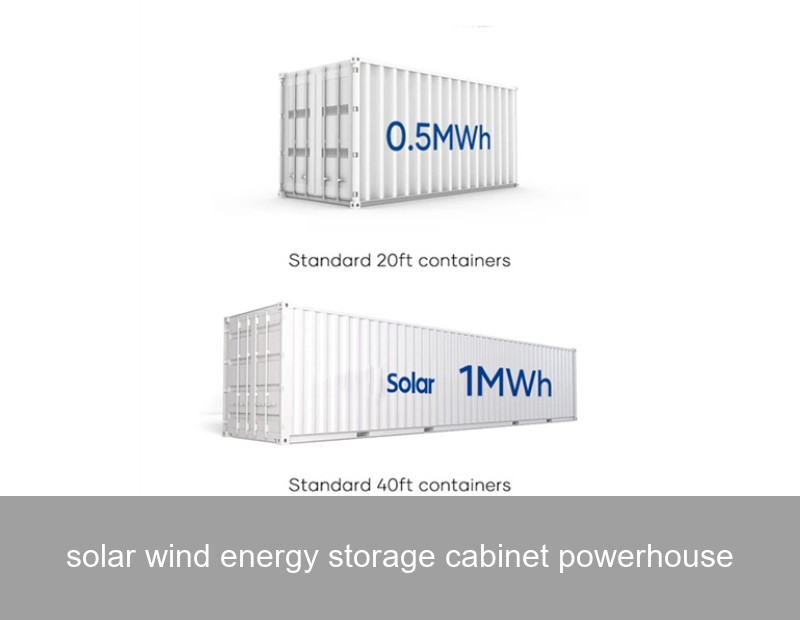
Our H-Cube Commercial Series storage cabinets, for instance, are engineered for the demands of businesses and microgrids. They feature modular, scalable LiFePO4 battery blocks, allowing you to start at 100kWh and expand to over 1MWh. The all-in-one cabinet includes our proprietary bi-directional inverter and the H-IOS controller, pre-wired and tested for faster, safer deployment. For residential and smaller commercial applications, our H-Core Home+ system brings the same powerhouse logic into a compact, user-friendly format.

Image: Modern storage cabinets, like Highjoule's H-Cube, are designed for safety, serviceability, and seamless integration.
Choosing the Right System for Your Needs
Selecting your solar wind energy storage cabinet powerhouse isn't a one-size-fits-all decision. Key considerations include:
- Load Profile: What is your daily and seasonal energy consumption pattern? A bakery's profile differs vastly from a data center's.
- Renewable Generation Mix: The ratio of solar to wind will affect charging patterns and storage sizing.
- Primary Goal: Is it maximizing self-consumption for savings, providing backup power for resilience, or participating in grid services for revenue?
- Scalability: Can the system grow with your future energy needs?
This is where a provider with deep system integration expertise is vital. It's about more than selling components; it's about designing a holistic energy solution. (The U.S. Department of Energy provides excellent resources on system integration principles).
The Future is Integrated and Intelligent
As grid dynamics evolve and the cost of renewables continues to fall, the value of storage soars. The solar wind energy storage cabinet powerhouse is becoming the essential nexus for energy independence. It's the technology that finally allows wind and solar to operate not as alternative energy sources, but as primary, reliable, and intelligent ones.
What would a 95% reduction in your peak demand charges do for your business's bottom line? Or, for a community, what critical services could be maintained during an extended outage with a resilient microgrid powered by such a system? The potential is not just in savings, but in building a more sustainable and secure energy future, one intelligent powerhouse at a time.
 Inquiry
 Online Chat