


Solarize Africa for Sale: A Bright Investment in a Sustainable Future
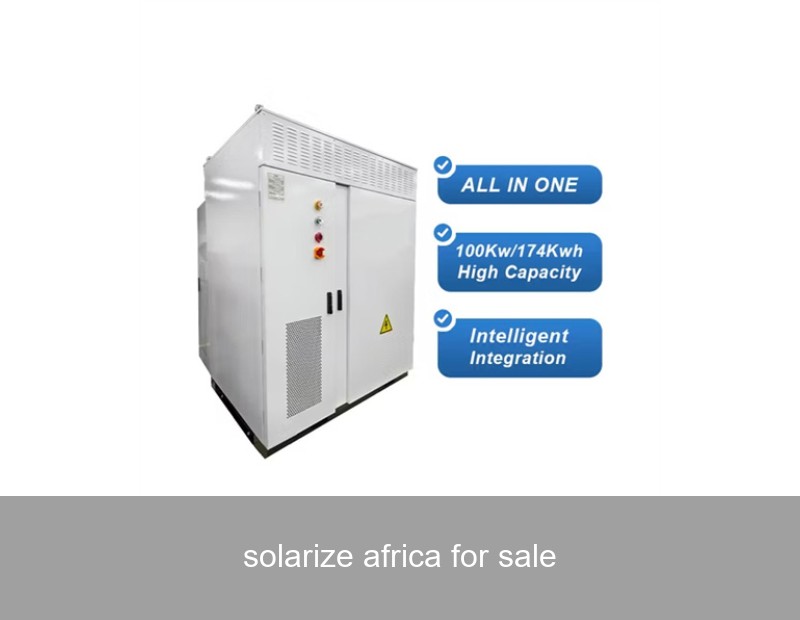
Imagine a continent bathed in sunlight, its vast potential for energy generation largely untapped. The phrase "Solarize Africa for Sale" isn't about selling a continent; it represents a monumental opportunity. It's a call to invest in the most abundant resource Africa has: solar energy. For businesses, governments, and forward-thinking individuals, this movement signifies the chance to participate in a transformative journey—powering sustainable development, economic growth, and energy independence through advanced solar and storage solutions. The sun is ready. The technology is proven. The question is, are we ready to harness it effectively and reliably?
Table of Contents
The Phenomenon: Africa's Solar Dawn
Across Africa, a quiet revolution is underway. From remote villages to bustling urban centers, the narrative is shifting from chronic power shortages to empowered generation. The drive to "solarize Africa" is fueled by a powerful convergence: plummeting solar panel costs, increasing awareness of climate resilience, and the urgent need to bridge the energy access gap. However, the initial excitement of installing solar panels is often met with a stark reality. What happens when the sun goes down, or during the rainy season? The phenomenon of solar adoption is now entering its crucial second phase, where generation must be paired with intelligent management and storage to create truly resilient, 24/7 power systems.

Solar panels are just the beginning. True energy independence requires intelligent storage. (Image: Unsplash)
The Data: Sunlight, Scarcity, and Soaring Demand
The numbers paint a compelling picture. According to the International Renewable Energy Agency (IRENA), Africa receives more hours of bright sunlight than any other continent. Yet, over 600 million people lack access to reliable electricity. The economic cost of this deficit is staggering, stifling businesses, healthcare, and education. Conversely, the potential is immense. The African Development Bank estimates that the continent's solar potential is over 10 TW. The market for solar solutions is not just growing; it's exploding, driven by a young, tech-savvy population and a clear economic imperative. But raw potential needs robust technology to become dependable power.
| Challenge / Statistic | Data Point | Implication |
|---|---|---|
| Population Without Reliable Grid Access | ~600 Million | Massive untapped market for decentralized solutions. |
| Average Solar Irradiance | 4-6 kWh/m²/day | Among the highest in the world, ideal for PV generation. |
| Required Investment in Power Sector (by 2030) | $40-70 Billion Annually | Significant opportunity for sustainable infrastructure investment. |
The Case Study: Powering Productivity in Rural Kenya
Let's move from macro data to a microcosm of success. Consider the case of a medium-sized horticultural cooperative in Nakuru County, Kenya. Their business—packaging and cooling fresh produce for export—was crippled by an unreliable grid and exorbitant diesel generator costs. In 2022, they installed a 150 kW solar array. The daytime results were immediate: reduced diesel use and lower costs. But the real transformation came with the integration of a 300 kWh Battery Energy Storage System (BESS).
This system stores excess solar energy generated during the day. Now, their cold storage facilities and packing lines run seamlessly through the night and during grid outages. The results? A 95% reduction in diesel consumption, a 70% decrease in energy costs, and a 30% increase in product quality due to consistent cooling. Crucially, the payback period for the entire solar-plus-storage system was under 4 years. This isn't just an environmental win; it's a textbook example of how reliable, solarized power directly boosts profitability and competitiveness.
The Insight: Why Storage is the Keystone
The Kenyan case study highlights the critical insight: solar panels alone are not a complete solution. To truly "solarize Africa," we must solve for intermittency. This is where advanced battery storage becomes the keystone of any successful energy strategy. Think of it this way: solar panels are the source of income (energy), but without a bank account (storage), you can't save for a rainy day—or a cloudy one, or the nighttime.
- Energy Time-Shifting: Capturing midday sun surplus to use in the evening peak.
- Grid Stability & Resilience: Providing backup power and stabilizing mini-grids, preventing blackouts.
- Maximizing Financial Return: Ensuring every kilowatt-hour generated is utilized, not wasted, improving ROI.
However, not all storage is created equal. The challenging African environment—with dust, heat, and variable grid conditions—demands systems built for durability, intelligence, and ease of management.
The Highjoule Solution: Intelligent Storage for African Solar
This is precisely where Highjoule's nearly two decades of expertise come into play. Since 2005, we've designed energy storage systems not just for ideal labs, but for the real world. Our approach to helping "solarize Africa" is built on providing the intelligent backbone that makes solar investments durable and profitable.
For commercial and industrial (C&I) applications, like the cooperative in Kenya, our H-Series C&I Battery Systems are engineered for high-cycling and harsh conditions. Their modular design allows for scalable capacity, while our proprietary energy management software ensures the system autonomously optimizes for cost-saving, prioritizing solar self-consumption and providing seamless backup.
For larger community or microgrid projects, Highjoule's Containerized Megawatt-Scale BESS offers a plug-and-play solution. These fully integrated units include battery racks, thermal management, fire suppression, and power conversion systems, all pre-tested for rapid deployment. They are the ideal turnkey solution for developers looking to establish or stabilize a mini-grid, ensuring reliable 24/7 power for schools, hospitals, and small business clusters.

Advanced, containerized storage solutions enable rapid deployment of resilient microgrids. (Image: Unsplash)
What Makes a Highjoule System Different?
- Climate-Adaptive Design: Built to perform reliably in high-temperature environments common across Africa.
- Advanced Battery Chemistry: Utilizing LFP (Lithium Iron Phosphate) batteries for superior safety, longevity, and thermal stability.
- Intelligent Energy Management: Our software doesn't just store and release energy; it learns consumption patterns and makes predictive decisions to maximize savings and equipment lifespan.
- Global Support, Local Partnership: We work through a network of certified regional partners, ensuring local expertise is backed by global technological standards and support.
The Future: Your Role in the Solar Revolution
The movement to solarize Africa is more than an infrastructure project; it's an investment in human potential, economic development, and planetary health. The technology is ready. The business case is clear. The question now is about execution and partnership.
Whether you are a project developer scoping a new mini-grid, an industrial business owner tired of unpredictable energy costs, or a government agency planning sustainable infrastructure, the next step is to think beyond the panel. How will you capture, manage, and utilize the sun's energy when it's not shining? The success of your solar investment depends on the answer.
What specific energy challenge in your African project or operation is currently holding you back from achieving full energy independence and cost predictability?
 Inquiry
 Online Chat