


Unlocking Energy Freedom: A Deep Dive into the Solis Hybrid Energy Storage Cabinet
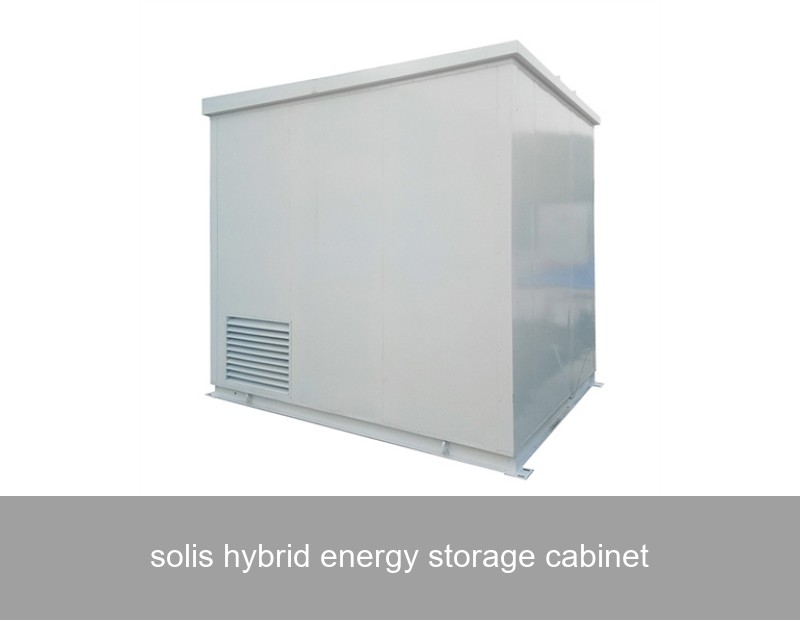
your solar panels are working hard under the midday sun, but you're at the office. That precious, self-generated power is flowing back to the grid. Then, evening comes. Energy demand peaks, electricity prices soar, and you're drawing expensive power back from the utility. This daily dance is a common frustration for homeowners and businesses with solar. But what if you could capture that midday surplus and use it exactly when you need it? This is where the Solis hybrid energy storage cabinet comes into play, transforming solar systems from one-way generators into resilient, self-sufficient power hubs.
At its core, a hybrid energy storage system like the Solis cabinet is the intelligent heart of a modern energy setup. It seamlessly integrates solar generation, battery storage, and grid connection, making real-time decisions to optimize your energy use, protect you from outages, and maximize financial returns. As a product technology expert at Highjoule, I've seen firsthand how this technology is reshaping energy landscapes across Europe and the U.S., moving us decisively toward a more secure and sustainable power future.
The Solis Hybrid Advantage: More Than Just a Battery Box
So, what separates a sophisticated Solis hybrid energy storage cabinet from a simple battery pack? The answer lies in its integrated intelligence and robust design. It's a complete AC-coupled system, meaning it can work with both new and existing solar installations—a huge benefit for the millions who already have panels.
Let's break down its key components and benefits:
- Advanced Hybrid Inverter: This is the brain. It performs bidirectional conversion, managing the flow of energy between DC batteries, AC solar power, and your home's AC electrical panel with exceptional efficiency (often over 98%).
- Modular Battery Design: The cabinet typically houses high-voltage, lithium iron phosphate (LiFePO4) battery modules. This chemistry is renowned for its safety, long lifespan (6,000+ cycles), and stability. The modularity allows for scalable capacity, so you can start with what you need and expand later.
- Seamless Grid Interaction: It features advanced grid-support functions. It can perform peak shaving (reducing grid draw during expensive hours), provide backup power during outages (often within milliseconds), and even enable controlled export to the grid where feed-in tariffs are favorable.
- Intelligent Energy Management System (EMS): This software is the strategic mind. Using weather forecasts, electricity tariff schedules, and your usage patterns, it autonomously decides when to charge, discharge, or hold. The goal? To ensure you use the maximum amount of your own solar energy.
The real-world data speaks volumes. A typical household with solar alone might achieve a 40-50% self-consumption rate. By adding a hybrid energy storage cabinet, that figure can jump to 70-80% or higher, dramatically reducing reliance on the volatile grid. For commercial operations, this isn't just about savings; it's about predictable operational costs and protecting critical processes from grid instability.

Image: A modern, wall-mounted hybrid energy storage system. Source: Unsplash
From Theory to Reality: A Case Study in Energy Independence
Let's move beyond specs to a tangible example. Consider a medium-sized dairy farm in Bavaria, Germany. The farm had a 50 kWp solar array installed in 2018, primarily used to offset daytime consumption for cooling and milking systems. However, a significant portion of generated power was exported at a low feed-in tariff, while they still purchased expensive power at night and on cloudy days.
In early 2023, they installed a Solis hybrid energy storage cabinet with a 60 kWh usable capacity. The goals were clear: increase self-consumption, ensure uninterrupted operation of refrigeration units, and provide backup for critical farm infrastructure.
| Metric | Before Installation (2022 Avg.) | After Installation (6-Month Avg. 2023) | Change |
|---|---|---|---|
| Solar Self-Consumption Rate | 48% | 89% | +41% |
| Monthly Grid Electricity Purchase | 2,100 kWh | 520 kWh | -75% |
| Energy Cost Savings (Annualized) | — | — | €8,400+ |
| Grid Backup Events (Power Outages) | N/A | 3 events, seamless transition | Zero operational downtime |
This data, sourced from the farm's own monitoring portal, illustrates the transformative impact. The system's EMS was programmed to prioritize charging batteries with excess solar, then discharge during the high-tariff evening period and to maintain refrigeration during any grid failure. The result wasn't just financial; it brought operational resilience that is priceless for an agricultural business. You can explore more on the importance of energy storage for grid stability from the U.S. Department of Energy.
Highjoule's Role: Your Partner in Intelligent Energy Management
At Highjoule, we don't just supply equipment; we provide comprehensive, intelligent power solutions. Our expertise lies in selecting and integrating best-in-class components like the Solis hybrid energy storage cabinet into systems tailored for specific needs—be it a family home in California, a factory in Italy, or a remote microgrid.
Our value-add includes:
- System Design & Sizing: We analyze your historical energy data, solar production profiles, and load requirements to right-size the storage cabinet. Oversizing wastes capital; undersizing underdelivers value. We get the balance right.
- Smart Integration: We ensure the storage cabinet communicates flawlessly with your existing solar inverters, smart meters, and home energy management systems, creating a unified ecosystem.
- Advanced Software & Monitoring: Highjoule's proprietary monitoring platform gives you real-time and historical insights into your energy flows, savings, and system health via an intuitive dashboard. You're always in control.
- Service & Support: With nearly two decades in the industry since 2005, our global network provides reliable installation, maintenance, and long-term support, ensuring your investment performs for its entire lifespan.
For instance, when we deploy a Solis system, we configure its multiple operating modes—like "Maximize Self-Consumption," "Time-of-Use Optimization," or "Backup Priority"—to align perfectly with the client's local utility rates and personal energy goals. This level of customization is what transforms a standard product into a personalized energy asset. The reliability of such systems is backed by international standards, which you can read about from the International Energy Agency.

Image: A technical expert monitoring a sophisticated energy management system. Source: Unsplash
The Future of Energy is Hybrid and Intelligent
The trajectory is clear. As grid infrastructure faces new pressures from electrification and climate events, and as electricity pricing becomes more dynamic, the logic behind owning your own hybrid energy storage cabinet becomes overwhelming. It's the cornerstone of the modern "prosumer" (producer + consumer) model, empowering individuals and businesses to take charge of their energy destiny.
We are also moving towards vehicle-to-grid (V2G) integration and virtual power plants (VPPs), where thousands of decentralized storage units like the Solis cabinet can be aggregated to support the wider grid during times of stress. This isn't just personal resilience; it's contributing to community-wide stability. The evolution of these technologies is fascinating, as discussed by researchers at institutions like NREL.
So, as you look at your next electricity bill or consider the reliability of your power supply, ask yourself: Is your current energy setup a passive cost center, or is it an intelligent, active asset waiting to be unlocked? What would energy security and predictable costs mean for your home or business in the year ahead?
 Inquiry
 Online Chat