


Why Storage for Renewable Energy is the Keystone of a Reliable Clean Grid
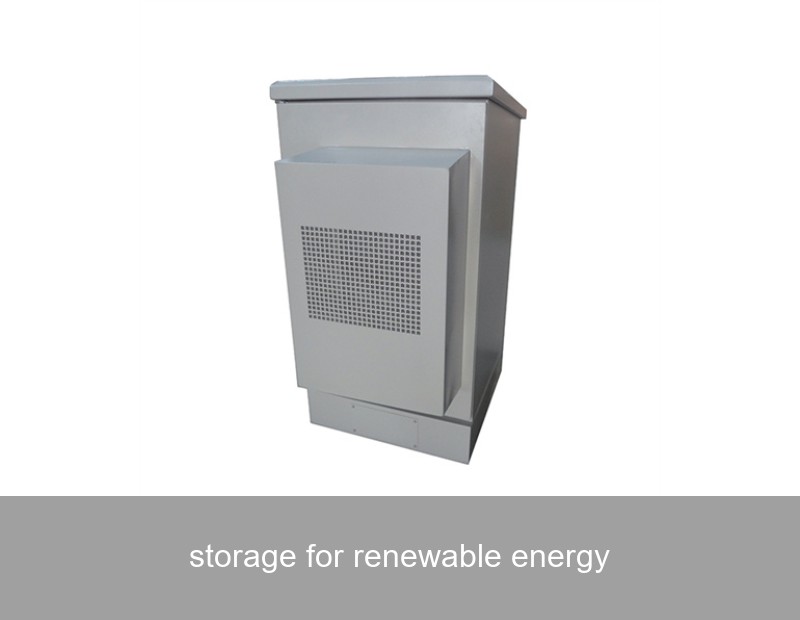
You've seen the headlines: record-breaking solar installations, towering wind farms dotting the landscape, and nations pledging to reach net-zero. The transition to renewable energy is in full swing. But if you've ever wondered what happens when the sun sets or the wind stops blowing, you've hit upon the central challenge of our clean energy future. The solution, and arguably the most critical piece of the puzzle, is advanced storage for renewable energy. Without it, the promise of a sustainable grid remains just that—a promise. This article delves into why energy storage is no longer an optional add-on but the essential backbone that enables solar and wind power to deliver reliable, 24/7 electricity for homes, businesses, and entire communities.
Table of Contents
- The Intermittency Challenge: More Than Just a Cloudy Day
- Beyond the Battery: The Multifaceted Role of Modern Energy Storage
- Case Study: How a Bavarian Industrial Park Achieved 92% Energy Independence
- The Highjoule Advantage: Intelligent Storage for a Demanding World
- Future Horizons: What's Next for Grid-Scale Storage?
The Intermittency Challenge: More Than Just a Cloudy Day
Let's start with the core issue. Renewable sources like solar PV and wind are "variable" or "intermittent." Their power output isn't constant; it depends on weather and time of day. This isn't a flaw—it's their nature. The traditional grid, however, was built for constant, predictable power from fossil fuel plants. This mismatch creates a real operational headache for grid operators.
Consider this data point: In California, the famous "duck curve" phenomenon shows a dramatic dip in net electricity demand in the middle of the day (when solar is abundant) followed by a steep ramp-up in the evening as the sun sets and people return home. This rapid need to bring other power plants online is inefficient, costly, and can strain the grid. According to the National Renewable Energy Laboratory (NREL), high levels of solar penetration can exacerbate these sharp ramping needs, highlighting the urgent need for flexible resources to balance the system.
The phenomenon isn't limited to sunny states. In wind-rich regions of Europe, periods of low wind (known as "dunkelflaute") can last for days, requiring significant backup capacity. This is where storage for renewable energy steps in, acting as a buffer. It soaks up excess clean energy when generation is high and releases it precisely when it's needed most, smoothing out the duck's belly and ensuring the lights stay on during the dunkelflaute.
Beyond the Battery: The Multifaceted Role of Modern Energy Storage
When most people think of energy storage, they think of lithium-ion batteries. And while battery energy storage systems (BESS) are a dominant and versatile solution, the technological landscape is richer. The function of storage determines the best technology for the job. Let's break down the key roles:
- Energy Time-Shifting (Arbitrage): Storing cheap solar power at noon to use during expensive peak hours in the evening.
- Frequency Regulation: Providing instant injections or absorptions of power to keep the grid's frequency stable—a service crucial for preventing blackouts.
- Backup Power & Resilience: Keeping critical facilities online during grid outages, from hospitals to data centers.
- Capacity Deferral: Delaying or eliminating the need for costly upgrades to transmission lines and substations by managing local demand.
Different technologies excel in different areas. Lithium-ion batteries are champions of fast response and efficiency for short-to-medium duration storage (2-4 hours). For longer duration needs (6+ hours), flow batteries or even mechanical storage like pumped hydro become more relevant. The key is to match the technology to the specific application, a process that requires deep expertise.

Image: A modern battery energy storage system (BESS) co-located with a solar farm. Source: Unsplash
Case Study: How a Bavarian Industrial Park Achieved 92% Energy Independence
Let's look at a real-world example from Southern Germany. A mid-sized manufacturing park, housing several energy-intensive businesses, faced volatile energy prices and increasing grid stability fees. Their goal was to reduce costs, secure their power supply, and lower their carbon footprint.
The Solution: They deployed a integrated smart energy system centered around storage for renewable energy. The setup included:
- A 2.5 MW rooftop solar PV array.
- A 3 MWh Highjoule H-Cube commercial battery storage system.
- An advanced energy management system (EMS) to orchestrate everything.
The Results (18-month operational data):
| Metric | Result | Impact |
|---|---|---|
| On-Site Renewable Consumption | Increased from 35% to 92% | Dramatically reduced grid dependence |
| Peak Grid Demand | Reduced by 78% | Lowered grid capacity charges |
| Overall Energy Costs | Saved €180,000 annually | Fast ROI on the storage investment |
| Carbon Emissions | Reduced by 720 tons CO2e per year | Significant progress toward sustainability goals |
The Highjoule H-Cube system didn't just store energy; its intelligent EMS actively forecasted solar production and load patterns, decided when to charge from the solar excess or the grid (during low-price periods), and when to discharge to shave peak demand. It turned a collection of assets into a virtual power plant, providing value on multiple fronts. This case exemplifies how the right storage solution transforms renewable energy from a variable source into a predictable, cost-controlling asset.
The Highjoule Advantage: Intelligent Storage for a Demanding World
Founded in 2005, Highjoule has been at the forefront of the energy storage revolution, long before it became a mainstream topic. Our journey has taught us that a successful storage project is about more than just chemistry and hardware; it's about intelligence, integration, and long-term reliability.
We design our systems, like the H-Cube for commercial & industrial use and the H-Core for residential and small business applications, with a holistic view. What does this mean for our clients?
- Adaptive Intelligence: Our proprietary Neuron EMS uses AI-driven algorithms not just to react, but to predict and optimize. It learns your consumption patterns, integrates weather forecasts, and even considers real-time electricity market prices (where applicable) to make the most economical decisions every second of the day.
- Uncompromising Safety: Built with a multi-layered protection architecture, from cell-level monitoring and active thermal management to fire suppression and isolated enclosure design, safety is the non-negotiable foundation of every Highjoule system.
- Seamless Integration: We understand that storage must work harmoniously with existing solar inverters, building management systems, and grid interfaces. Our solutions are designed for plug-and-play compatibility, reducing complexity and installation time.
- Global Support: With projects across Europe and North America, we provide localized service and monitoring, ensuring your system performs optimally for its entire 15+ year lifespan.
For a utility-scale microgrid project in Texas or a family home in Spain looking to maximize their solar investment, Highjoule provides the tailored storage for renewable energy solutions that make energy independence a practical reality.
Future Horizons: What's Next for Grid-Scale Storage?
The innovation in energy storage is accelerating. We are moving beyond simply storing electrons for later use. The future is about grid-forming inverters—advanced power electronics within storage systems that can actually "create" a stable grid voltage and frequency from scratch. This technology is a game-changer for microgrids and islands, allowing them to operate completely independently from the main grid if needed, powered solely by renewables and storage.
Furthermore, the exploration of alternative chemistries like sodium-ion and the scaling of long-duration storage technologies are critical for achieving multi-day or seasonal balancing. The U.S. Department of Energy's Long Duration Storage Shot initiative aims to reduce the cost of systems that can deliver 10+ hours of duration by 90% within a decade. This aligns perfectly with the global need to decarbonize not just electricity, but also heat and transport sectors.

Image: Advanced control systems are key to managing complex renewable and storage assets. Source: Unsplash
The journey towards a 100% renewable grid is a complex one, but it is unequivocally possible. The missing link has been found. As costs continue to fall and capabilities rise, storage for renewable energy is transitioning from a supportive technology to the central orchestrator of the new energy landscape.
Is your business or community evaluating how to navigate the energy transition, reduce exposure to volatile prices, and build true resilience? What specific challenge is holding back your next renewable energy project?
 Inquiry
 Online Chat