


How to Store Energy for Sale: Turning Your Power into Profit
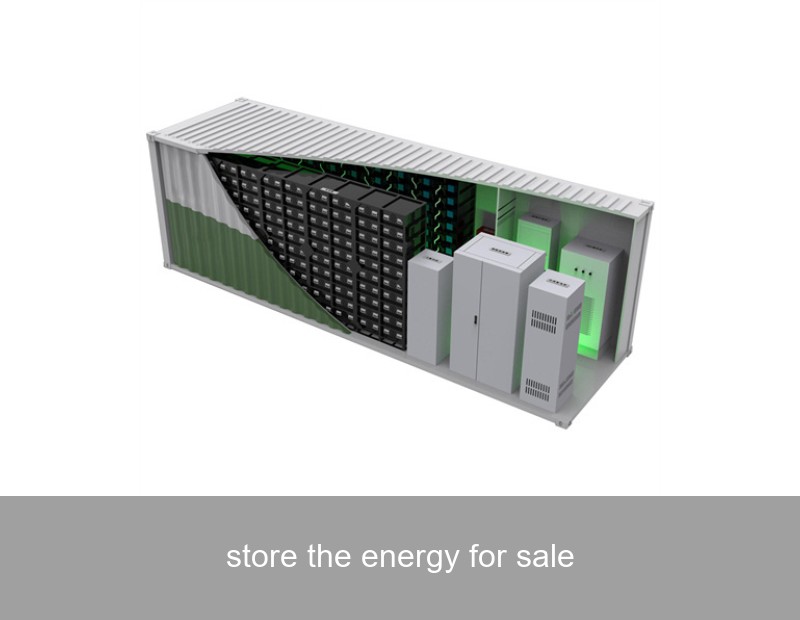
Have you ever looked at your solar panels or a windy day and thought, "I'm making more power than I can use right now"? You're not alone. Across Europe and the U.S., a quiet revolution is happening, moving from simply consuming energy to actively managing and even storing energy for sale. This isn't just a concept for utility companies anymore. With the right technology, businesses, communities, and even homeowners can transform their energy assets into revenue streams. Let's explore how the modern energy landscape is shifting from a one-way street to a dynamic marketplace, and how you can participate.
Table of Contents
The Phenomenon: From Consumers to "Prosumers"
For decades, electricity flowed in one direction: from the power plant to your home or business. You were a consumer, full stop. Today, the rise of distributed generation—like rooftop solar—has created the "prosumer": someone who both produces and consumes energy. But solar and wind are intermittent. The sun doesn't always shine when energy prices are highest. This mismatch creates a powerful opportunity. The key to unlocking it? Storing energy for sale at the most opportune time.
Imagine your battery system not just as a backup, but as a strategic asset. It buys low (storing excess solar or cheap grid power) and sells high (during peak demand, grid stress, or low renewable output). This arbitrage model is the foundation of the new energy economy.

Image Source: Unsplash - A solar plus storage installation.
The Data: Why Selling Stored Energy Makes Economic Sense
The financial drivers are compelling. According to the U.S. Department of Energy, the cost of lithium-ion batteries has fallen by nearly 90% over the past decade. Meanwhile, grid volatility is increasing. In Texas (ERCOT) and California (CAISO), real-time electricity prices can spike from a typical $50/MWh to over $1,000/MWh during periods of high demand or constrained supply.
Let's look at a simple table comparing passive vs. active energy storage use:
| Use Case | Primary Benefit | Revenue Potential |
|---|---|---|
| Backup Power Only | Security & Reliability | Low (avoids outage costs) |
| Self-Consumption Optimization | Reduced Utility Bills | Medium (bill savings) |
| Active Trading & Grid Services (Storing energy for sale) | Multiple Revenue Streams | High (market arbitrage, capacity payments, frequency regulation) |
This data shows a clear progression. The highest value is unlocked when you treat stored energy as a commodity. Programs like Frequency Response in the UK or Wholesale Market Participation in the PJM Interconnection (U.S.) formally pay participants for these services, creating a legitimate business model for stored power.
Case Study: A California Microgrid's Success Story
Let's ground this in reality. Consider a mid-sized winery in Napa Valley, California. They have a large rooftop solar array but their energy needs spike during processing seasons. They also face Public Safety Power Shutoffs (PSPS) due to wildfire risk.
The Challenge: Maximize solar use, ensure operational resilience, and reduce escalating demand charges from the utility.
The Solution: They installed a 500 kW / 1 MWh battery energy storage system (BESS) integrated with their solar and building management system. The system is programmed not just for backup, but to:
- Arbitrage: Store excess midday solar and discharge during the 4-9 pm peak period when grid rates are highest.
- Demand Charge Reduction: Smooth out peak grid draws, cutting a significant portion of their monthly utility demand charges.
- Grid Services: Participate in CAISO's Demand Response Auction Mechanism (DRAM), getting paid to reduce load or discharge to the grid when the system is stressed.
The Results (Real Data): In the first year, the winery achieved:
- A 40% reduction in overall energy costs.
- Over $45,000 in revenue from grid service programs.
- 100% resilience during PSPS events, avoiding an estimated $250,000 in potential spoiled inventory.
This case perfectly illustrates the triple win of storing energy for sale: lower costs, new revenue, and enhanced resilience. The battery paid for itself in under 5 years through this combined value stack.
The Technology Enabling Energy Commerce
This isn't magic; it's advanced engineering and software. To effectively trade energy, you need more than just a battery. You need an intelligent ecosystem:
- High-Performance Battery Systems: Must have high cycle life, rapid response times, and deep cycling capability for daily charge/discharge.
- Advanced Power Conversion Systems (PCS): The "translator" between DC battery power and AC grid power, crucial for seamless import/export.
- Energy Management System (EMS): The brain. This software platform uses weather forecasts, market price signals, and consumption patterns to autonomously make buy/sell/discharge decisions to maximize value.
- Grid Interconnection & Compliance: Hardware and software that ensure safe, stable, and code-compliant interaction with the public grid.

Image Source: Unsplash - Energy management system interface.
How Highjoule Empowers Energy Entrepreneurs
This is where Highjoule's 18+ years of expertise comes into play. We don't just sell battery racks; we deliver turnkey solutions designed for active energy management and revenue generation. Our IntelliBESS product line is engineered for the prosumer and commercial market.
For a business looking to store energy for sale, a Highjoule solution provides:
- Market-Ready Hardware: Our containerized and modular BESS units are built with grid-forming inverters, allowing them to not only follow the grid but also support it—a key requirement for many service programs.
- JouleOS AI Platform: Our proprietary Energy Management System uses machine learning to predict prices and optimize dispatch across multiple value streams (self-consumption, arbitrage, frequency regulation) automatically. You set your goals, and it executes the strategy.
- Regulatory Navigation: We provide expertise in interconnection agreements and market program enrollment in both European and U.S. markets, a complex but critical step.
- Service & Support: From feasibility studies and financial modeling to 24/7 monitoring and maintenance, we ensure your system performs profitably for its entire lifecycle.
Think of Highjoule as your partner in building your own miniature, profitable power company.
Your First Steps Towards Energy Trading
So, how do you begin? The path from curiosity to revenue involves a few key steps:
- Audit & Analysis: Examine your energy bills, on-site generation, and local utility rate structures. What are your peak demand charges? Does your region have time-of-use rates or a dynamic wholesale market?
- Market Research: Investigate available programs. In the EU, look into Balancing Markets or Capacity Mechanisms. In the U.S., research programs like FERC 2222 which opens wholesale markets to distributed resources. The National Renewable Energy Laboratory (NREL) publishes excellent market summaries.
- Technology Partner Selection: Choose a provider with proven technology and, crucially, software intelligence and market expertise. The system must be a financial actor, not just a storage device.
- Financial Modeling: Work with your provider to model the payback period and ROI based on projected savings, revenue, and available incentives like the Investment Tax Credit (ITC) in the U.S.
Are You Ready to Turn Your Energy Into an Asset?
The ability to store energy for sale represents a fundamental shift in our relationship with power. It democratizes the grid, enhances sustainability by making better use of renewables, and creates tangible economic value. The technology is here, the markets are forming, and the early adopters are already seeing returns. What's the first question you need answered to evaluate if your home or business can join this new energy economy?
 Inquiry
 Online Chat