


Storing Solar Power in Batteries: The Key to Unlocking Energy Independence
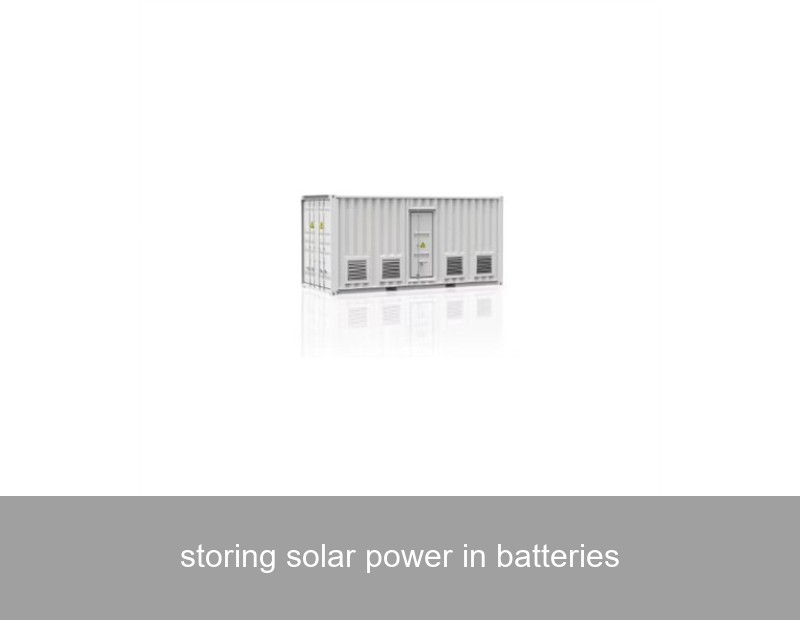
You've made the smart decision to install solar panels. Your roof is a clean energy powerhouse, and your electricity bills are dropping. But have you ever watched the sun set and wondered where all that unused, perfectly good solar energy goes? The answer, until recently, was back into the grid for a fraction of its value, leaving you reliant on the utility company as soon as dusk falls. This is the fundamental challenge of solar energy: its generation is intermittent, but our demand for power is constant. The solution that is revolutionizing renewable energy, both for homes and businesses, is storing solar power in batteries. This technology doesn't just capture sunlight; it captures control, resilience, and true energy freedom.
Table of Contents
The Solar Dilemma: Generation vs. Consumption
Let's look at the data, which paints a clear picture of the mismatch. A typical home's solar production peaks around midday, often when the house is empty. Energy consumption, however, spikes in the early morning and evening. According to the U.S. Department of Energy, this "duck curve" phenomenon—where net demand plummets during the day and surges at night—is becoming more pronounced as solar adoption grows. Without a means to store the surplus, this valuable, self-generated energy is exported to the grid.
This is where the economics shift. Many regions in Europe and the U.S. have moved away from full retail net metering, offering lower feed-in tariffs for exported solar power. In essence, you're selling your premium, clean energy cheaply only to buy back expensive, often fossil-fuel-based power at night. The phenomenon isn't just residential; commercial operations with high evening energy use face the same financial drain.

Image Source: Unsplash (Free to use under the Unsplash License)
How Battery Storage for Solar Power Actually Works
Think of a solar battery system as a high-tech energy savings account. During the day, your solar panels convert sunlight into electricity. Any power not immediately used by your appliances charges the battery system. Later, when your panels are underproducing (at night or on cloudy days), your home or business automatically draws from this stored reserve.
Modern systems like those developed by Highjoule are fully integrated and intelligent. They consist of:
- Lithium-Ion Battery Modules: The core storage unit, known for high efficiency, long lifespan, and decreasing cost.
- A Hybrid or AC-Coupled Inverter: The brain of the operation. It manages the flow of energy—converting DC from solar and batteries to AC for your home, and vice-versa for charging.
- An Energy Management System (EMS): This smart software learns your consumption patterns, monitors grid conditions and electricity rates, and autonomously decides the most economical time to charge or discharge the battery.
For over 18 years, Highjoule has specialized in designing such intelligent systems. Our HES (Highjoule Energy Storage) product line for residential and commercial applications seamlessly integrates with new or existing solar arrays. The system's software can be configured to prioritize self-consumption, maximize savings from time-of-use rates, or ensure critical backup power during an outage—all from a simple smartphone app.
Key Benefits: Beyond Just Backup Power
While emergency backup is a major motivator, especially in areas prone to grid instability or extreme weather, the daily financial and grid-support benefits are equally powerful.
| Benefit | Impact for Homeowners | Impact for Businesses |
|---|---|---|
| Maximized Self-Consumption | Use 70-80%+ of your solar energy, slashing utility bills. | Reduces operational energy costs, improving profit margins. |
| Time-of-Use (TOU) Optimization | Store solar when rates are low, use battery power during expensive peak hours. | Avoids crippling peak demand charges, which can constitute 30-50% of a commercial bill. |
| Grid Resilience & Backup | Keeps lights, fridge, and internet on during outages. | Prevents data loss, operational downtime, and revenue interruption. |
| Grid Support & Sustainability | Reduces strain on the grid during peak times, supporting community reliability. | Meets corporate ESG (Environmental, Social, Governance) goals and enhances green credentials. |
Real-World Case Study: A California Business Saves Big
Let's move from theory to a tangible example. A mid-sized craft brewery in San Diego, California, faced a significant challenge: high energy consumption for refrigeration and brewing, coupled with California's steep time-of-use electricity rates and frequent grid warnings. Their existing 100kW solar array covered about 60% of their daytime load but did nothing for evening operations or peak charges.
In 2023, they partnered with Highjoule to install a 150kWh HES Commercial system. The results after one year were compelling:
- Bill Savings: Reduced their overall electricity bill by an additional 42% on top of solar savings, primarily by eliminating 95% of peak demand charges.
- Self-Consumption: Increased their direct use of solar power from ~40% to over 90%.
- ROI: The system is projected to pay for itself in under 5 years, thanks to California's SGIP (Self-Generation Incentive Program) and the ongoing utility savings.
- Resilience: The system provides 8+ hours of backup for critical refrigeration, preventing spoilage during Public Safety Power Shutoffs (PSPS).
This case, documented in a NREL industry report on commercial storage, exemplifies the multi-faceted value proposition of pairing solar with advanced storage.
Choosing the Right System: What to Look For
Not all battery storage systems are created equal. When evaluating solutions for storing solar power, consider these critical factors:
- Power & Capacity: Understand the difference. Power (kW) is how much electricity can flow at once (to run multiple appliances). Capacity (kWh) is the total amount of energy stored (how long you can run them). Highjoule systems offer scalable capacity to match your exact needs.
- Depth of Discharge & Cycle Life: A battery with a 90% DoD and a 6,000-cycle life will deliver more usable energy over its lifetime than one with 80% DoD and 4,000 cycles.
- Integration Intelligence: The software is as important as the hardware. Look for systems that offer flexible operating modes and can adapt to changing utility policies.
- Safety & Warranty: Ensure the system has robust thermal management, UL certifications, and a strong, long-term warranty. Highjoule's systems feature integrated safety protocols and industry-leading warranties for peace of mind.

Image Source: Unsplash (Free to use under the Unsplash License)
The Future of Storing Solar Power
The trajectory is clear. As battery costs continue to fall and grid dynamics become more volatile, storing solar power in batteries is evolving from a premium option to a standard component of a robust energy strategy. We're moving towards virtual power plants (VPPs), where networks of distributed home and business batteries, like Highjoule's systems, can be aggregated to provide stability to the wider grid, creating potential new revenue streams for system owners.
The technology is also advancing. While lithium-ion dominates today, research into solid-state and other chemistries promises even greater safety and density in the future. The core principle, however, remains: true energy independence and maximum value from your solar investment are only unlocked when you can store and control the power you produce.
Ready to Take Control of Your Solar Energy?
The journey to energy resilience and financial savings starts with a clear understanding of your unique energy profile. What does your current solar self-consumption look like, and how much could you save by shifting your energy habits with a battery? The IEA highlights that storage is the linchpin for a secure, renewable-powered future. How will you integrate your home or business into that future?
 Inquiry
 Online Chat